Why Are Sustainable Packaging Materials Important?
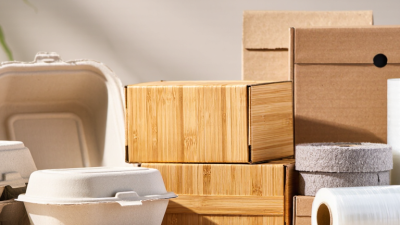
A delivery box arrives with a paper sleeve, a molded-fiber insert, and a thin plastic seal. Each part protects the product, but each also creates a different waste challenge. That everyday mix explains why sustainable packaging materials matter: they can reduce environmental pressures while still providing protection, hygiene, and practical transport. The choice is not simple. A material’s impact depends on how it is made, used, collected, and processed after disposal.
The OECD’s Global Plastics Outlook reports that packaging generated about 40% of plastic waste in 2019. It also estimates that only 9% of plastic waste was recycled worldwide that year. These figures make packaging a significant focus for improvement, but switching materials alone is not a complete solution. Paper can require water and energy; compostable packaging may not break down where suitable facilities are unavailable. Design, reuse, local waste systems, and clear disposal instructions all matter.
William McDonough, an architect and co-author of Cradle to Cradle, is widely associated with the phrase, “Waste equals food.” It captures an ambitious design principle: materials should remain useful rather than become waste. Yet real systems rarely work perfectly. A package labeled recyclable may still be discarded if local collection cannot handle it. That gap deserves attention. This article examines what sustainable packaging materials can achieve, how to assess their trade-offs, and why practical end-of-life planning matters as much as the material itself.

What Sustainable Packaging Materials Are
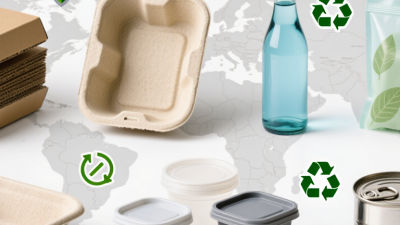
Sustainable packaging materials are made from resources that can be renewed, reused, or recovered with less waste. The term is broad. It may describe paper molded from recycled fibers, glass that can be used repeatedly, or packaging made with plant-based materials. What matters is not only what a package is made from, but also how it is produced, transported, used, and handled afterward.
Some materials are recyclable only where suitable collection and processing systems exist. A paper box with a thick plastic lining, for example, may be harder to recycle than it looks. Reusable containers can reduce single-use waste, but only when people actually return or refill them. Small details matter. Labels, coatings, and food residue can affect recovery, too. I have seen how a package that seems simple at first can become confusing once its layers are separated.
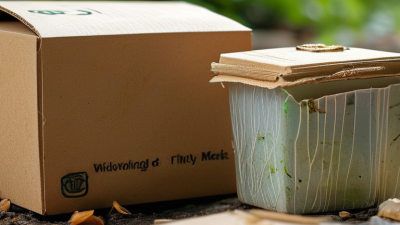
Compostable materials are designed to break down under specific conditions, which may require an industrial composting facility. They do not necessarily disappear quickly in a backyard compost pile. Sustainable choices depend on the product, local waste services, and how people use the package. There is no perfect material for every situation. A lighter package may need less transport fuel, yet still be difficult to recycle. That trade-off deserves a closer look.
How Conventional Packaging Affects the Environment
Conventional packaging can protect a product for hours, then persist as waste for far longer. Making it also uses raw materials, energy, and water. Plastic packaging adds pressure from fossil-fuel extraction and can escape collection systems as litter. The OECD’s Global Plastics Outlook (2022) estimates that packaging generated about 40% of global plastic waste. That is a significant share.
The same report found that only 9% of plastic waste was ultimately recycled worldwide in 2019. The rest was landfilled, burned, or mismanaged. A takeaway container with oily residue, for example, may not be accepted for recycling locally. Even a package marked recyclable is not guaranteed to be recycled. Labels can create false confidence; collection and sorting capacity matter just as much. This is an uncomfortable detail, but worth considering.
Tips: Choose products with less unnecessary wrapping, and check local recycling rules before sorting. Keep paper and cardboard dry. When comparing packaging, consider how much material is used and whether it can be reused or collected nearby. Small choices help, though they cannot fix the waste system alone.
Why Are Sustainable Packaging Materials Important? — How Conventional Packaging Affects the Environment
| Environmental dimension |
Documented data |
What it indicates about conventional packaging |
Why sustainable packaging matters |
| Plastic production |
Global plastics production reached 460 million tonnes in 2019. |
Packaging made from fossil-based plastics contributes to demand for plastic production and its associated resource use and emissions. |
Reducing unnecessary packaging and choosing materials suited to reuse or effective recycling can help reduce demand for virgin plastic. |
| Plastic waste generation |
The world generated 353 million tonnes of plastic waste in 2019. |
Short-lived packaging adds to a large waste stream, while collection and waste-management systems vary considerably around the world. |
Packaging designed to be reused, recycled, or appropriately composted can help prevent avoidable waste when the necessary systems are available. |
| Recycling |
Only 9% of plastic waste was ultimately recycled in 2019, according to the OECD. |
Plastic packaging labelled as recyclable may not actually be recycled if it is not collected, sorted, or processed locally. |
Material choices should reflect local recycling infrastructure; simpler packaging and reusable formats can support better outcomes. |
| Packaging’s share of plastic waste |
Packaging accounted for approximately 40% of plastic waste in 2019. |
Because packaging is often used briefly, it can become waste soon after a product is purchased or delivered. |
Reducing excess packaging and adopting refill or return systems can address a substantial source of plastic waste. |
| Leakage into the environment |
An estimated 22 million tonnes of plastics leaked into the environment in 2019. |
Mismanaged plastic waste can escape collection systems and persist in land and aquatic environments. |
Reducing disposable packaging and improving collection and recovery can lower the risk of litter and plastic leakage. |
| Climate impact |
The plastics lifecycle produced an estimated 1.8 billion tonnes of greenhouse-gas emissions in 2019, equal to 3.4% of global emissions. |
Emissions arise across plastics’ lifecycle, including production and conversion, not only from disposal. |
Material reduction, reuse, and lower-impact alternatives can help cut lifecycle emissions when assessed with reliable, comparable data. |
|
Data source: OECD, Global Plastics Outlook: Economic Drivers, Environmental Impacts and Policy Options (2022). Figures refer to global plastics data for 2019. The environmental benefits of alternatives depend on their production, reuse or recovery, and local waste-management systems.
|
How Sustainable Materials Reduce Waste and Resource Use
Sustainable packaging matters because packaging often has a short working life but leaves a long materials footprint. The OECD’s Global Plastics Outlook reports that only 9% of plastic waste was ultimately recycled worldwide in 2019. Much of the rest was landfilled, burned, or poorly managed. That gap makes prevention important. A lighter carton, a refillable container, or a package made with recycled content can reduce demand for virgin materials. Small changes add up. Yet “recyclable” on a label does not guarantee recycling; local collection and sorting systems determine what actually happens.
Material choices also affect resource use before a package reaches a shelf. The United Nations Environment Programme estimates that packaging accounts for about 36% of plastics produced globally. Using less material can therefore reduce the oil and gas used to make plastic, as well as transport weight. Paper and fiber options may help in some settings, but they still require water, energy, and land. There is no perfect material. A practical assessment should consider the full journey: how much protection a product needs, whether packaging can be reused, and what local facilities accept. A package that looks greener but causes more product damage may waste resources overall. That trade-off deserves honest measurement.
Why Are Sustainable Packaging Materials Important?
Packaging recycling rates vary widely by material, affecting how much packaging waste can be recovered instead of discarded.
What this shows: Paper-based packaging had substantially higher recycling rates than plastic packaging in the United States in 2018. Choosing recyclable materials can help reduce waste, though actual outcomes also depend on collection and recycling infrastructure.
Source: U.S. Environmental Protection Agency, 2018 recycling rates for selected materials.
Benefits for Businesses, Consumers, and Communities
Why Are Sustainable Packaging Materials Important?
Benefits for Businesses, Consumers, and Communities
Sustainable packaging matters because its effects reach beyond a product’s shelf. For businesses, lighter or reusable packages can reduce shipping weight and material costs over time. Clear disposal instructions may also build trust, though customers notice when claims feel vague. Trust takes time.
Consumers benefit when packaging is easy to open, store, and sort correctly. A paper sleeve around a glass jar, for example, may separate cleanly for recycling. But “eco-friendly” does not mean impact-free. Local collection systems differ, and a compostable container may not break down in a home compost bin. Choosing materials requires checking their use, transport, and disposal—not just the label. Communities may see less litter and lower demand for new resources when packaging is designed for recovery. Still, collection access and sorting habits matter. Packaging alone cannot solve waste problems.
Tips: Start with the package’s job: protecting food, preventing leaks, or keeping items intact. Remove unnecessary layers, test shipping durability, and match disposal guidance to local facilities. A lighter package can fail if it causes more damaged goods—a trade-off worth revisiting.
Challenges in Selecting Sustainable Packaging Materials
Why Are Sustainable Packaging Materials Important?
Challenges in Selecting Sustainable Packaging Materials
Choosing sustainable packaging is rarely a simple switch from plastic to paper. The material must protect the product through storage, shipping, and handling. A paper pouch may suit dry tea, but it can struggle with moisture unless it uses a barrier layer. That extra layer may make recycling harder.
Local collection systems matter, too. A package labeled compostable may not break down in a home compost bin, and nearby facilities may not accept it. Recycled-content materials can also vary in color, strength, and availability. These differences affect production lines: a slightly different thickness may cause jams or require new settings. Small details, such as adhesive labels and closures, can complicate sorting.
Teams should compare protection, material use, transport weight, and realistic end-of-life options together. Testing with actual products helps reveal leaks, crushed corners, or damaged goods before a large order. Supplier documentation and clear disposal instructions are useful, but claims still need careful review. I would not treat one material as universally best; the right choice depends on the product and local waste services. Assessments can also miss real-world habits. People may not separate packaging as intended. That is an inconvenient gap, but ignoring it makes the decision less reliable.