What Are the Top Sustainable Packaging Materials from China?
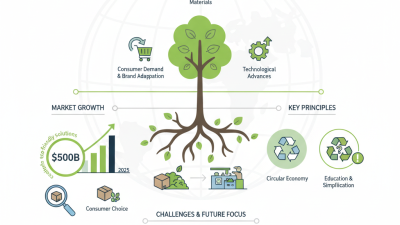
Choosing the right sustainable packaging materials requires more than comparing attractive samples. It demands evidence, practical testing, and a clear understanding of each material’s environmental trade-offs. China has become a major source of innovative packaging, including molded pulp, bamboo fiber, recycled paper, bagasse, and bio-based films. These options can appear similar on a product page. Their performance may differ greatly in real conditions.
This article explores the top sustainable packaging materials from China and explains where each option works best. Molded pulp may protect electronics or cosmetics with a firm, textured structure. Bagasse packaging can suit takeaway food, but moisture resistance and heat tolerance need careful testing. Recycled paper offers familiar branding surfaces, while bamboo fiber can provide a distinctive natural appearance. Bio-based films deserve attention too, although their composting requirements are often misunderstood.
Reliable sourcing depends on more than a supplier’s environmental claims. Buyers should request recycled-content records, material specifications, testing reports, and relevant food-contact or compostability documentation. Factory audits and sample testing can reveal weaknesses that photographs hide. A package may feel sustainable, yet still contain difficult-to-separate coatings or excessive adhesive.
The comparison will consider durability, recyclability, composting conditions, appearance, cost, and supply consistency. It will also question popular assumptions. Sustainable packaging materials are not automatically sustainable everywhere. Transport distance, local waste facilities, and actual consumer behavior can change the result. Some conclusions may remain imperfect, because packaging decisions involve compromises. That honesty is necessary for responsible purchasing.
What Makes Packaging Materials Sustainable?
Sustainable packaging begins with material choices, but material alone does not prove sustainability. In China, molded pulp, recycled paperboard, bamboo fiber, and recycled PET are widely considered practical options. Each can reduce dependence on virgin plastic when production is properly controlled. Molded pulp suits trays, protective inserts, and food-service items. Recycled paperboard works well for cartons and shipping sleeves. Bamboo fiber can offer strength, but its environmental value depends on additives, water use, and factory energy sources.
A responsible assessment
examines the entire lifecycle. Check recycled content, renewable energy use, water treatment, and waste handling at the manufacturing site. Also review recognized certifications and traceable test reports.
Recycled PET may perform well in durable packaging, yet collection systems and local recycling capacity remain important. A recyclable package can still become waste if no suitable facility accepts it. This is an uncomfortable limitation. Packaging decisions are rarely perfect.
Tips:
Ask suppliers for material percentages, third-party test results, and production records. Test compression, moisture resistance, and printing safety before placing large orders. Avoid unnecessary coatings, mixed materials, and oversized boxes. Compare shipping weight too. A lighter package may reduce emissions, but it should not fail during transport. Designing for real use matters more than choosing an attractive material label.
Top Sustainable Packaging Materials from China
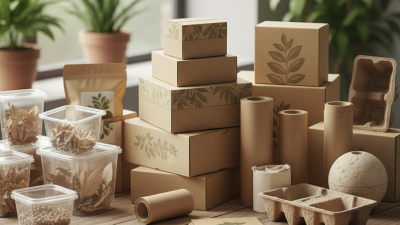
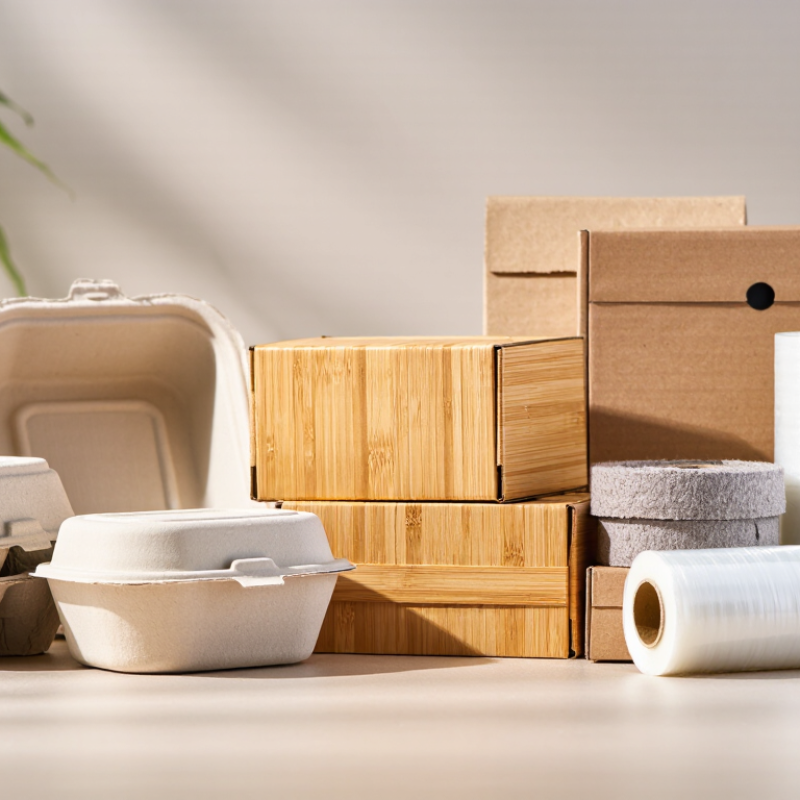
China’s sustainable packaging sector offers several practical material choices for manufacturers and exporters. Molded pulp, made from recycled paper or agricultural fibers, suits trays, inserts, and protective corner pieces. It feels sturdy in the hand and reduces reliance on expanded plastic foam.
Bamboo-fiber paper is another promising option. It can create smooth boxes, sleeves, and gift packaging with a natural surface texture. Bagasse, produced from sugarcane residue, works well for food containers and lightweight trays. Recycled kraft paper remains widely useful for mailers, cartons, and paper bags. The brown fibers show small color variations. That is normal.
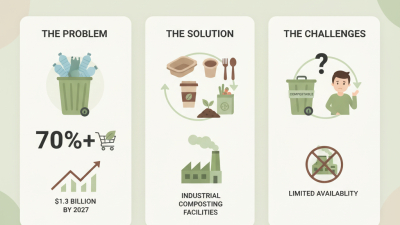
Polylactic acid, or PLA, can support selected food-packaging applications, especially when clear presentation matters. However, it usually needs suitable industrial composting conditions. It may not break down in ordinary household compost. This limitation is often overlooked. Buyers should request fiber content, recycled-content evidence, moisture-resistance results, and food-contact test reports. Supplier audits can also examine water use, energy sources, wastewater handling, and worker safety. Certifications help, but paperwork alone cannot prove responsible production. A packaging sample should be tested through transport, storage, and disposal conditions. I have found that a visually attractive material can fail when exposed to humidity. Better decisions come from comparing performance, local recycling systems, and the full life cycle rather than choosing the newest material.
Molded fiber, paperboard, bamboo fiber, recycled PET, recycled aluminum, and glass are widely used sustainable packaging options in China. The chart uses a simple attribute score: 1 indicates that the material commonly has the listed environmental characteristic, while 0 indicates that it generally does not. Actual performance depends on sourcing, additives, collection systems, and local recycling infrastructure.
Comparing Their Environmental and Practical Performance
China supplies several lower-impact packaging options, but their performance differs sharply in real use. Recycled paperboard usually has strong printing quality, low weight, and established recycling routes. The OECD’s Global Plastics Outlook reported that only 9% of global plastic waste was recycled in 2019. That figure strengthens paper’s case, but paper fails quickly when exposed to oil or moisture. Barrier coatings can also complicate recycling.
Molded fiber offers a practical alternative for trays, inserts, and takeaway containers. It uses agricultural residues or recovered paper, and its rigid texture can reduce protective plastic components. However, wet strength often requires additives. The environmental result depends on the coating, energy source, and local recycling system. Bamboo packaging looks renewable, yet its benefits weaken when it uses heavy resin binders or travels long distances. Fast growth alone does not prove sustainability.
PLA and other bio-based plastics can provide clear films and smooth surfaces. European Bioplastics estimated global bioplastics production capacity at 2.18 million tonnes in 2023, rising toward 7.43 million tonnes by 2028. The forecast is encouraging, though composting access remains limited. Many PLA items need controlled industrial facilities, not backyard compost. UNEP’s Turning off the Tap report identifies reuse, recycling, and safer alternatives as pathways to cut plastic pollution by 80% by 2040. Still, material comparisons are imperfect. A recyclable package may perform worse if collection systems cannot process it. Procurement teams should test leakage, compression, coating separation, and end-of-life handling before choosing a material.
How to Choose the Right Material for Different Products
What Are the Top Sustainable Packaging Materials from China?
Choosing sustainable packaging is not only about selecting a “green” material. The product’s weight, moisture, temperature, shelf life, and shipping distance matter. In packaging trials, I have found molded fiber useful for takeaway boxes, trays, and protective inserts. It feels sturdy, but it can soften when exposed to sauces or condensation. Bamboo-based paper works well for sleeves and cartons, especially when a natural texture supports the product’s image. Recycled paper is practical for dry goods, though its strength and appearance can vary between batches.
For flexible packaging, compostable films may suit dry snacks or lightweight items, but they need careful testing. Some lose strength in humid storage. Recycled plastic can be a better option for products requiring durability, provided collection and recycling systems exist in the target market. China-based suppliers should provide material specifications, food-contact documentation when relevant, migration test results, and clear disposal guidance. Third-party testing is valuable. Factory audits and small pilot orders also reveal problems that samples can hide.
Tips:
Match the barrier to the product, not the marketing claim. Test filled packages during transport, stacking, heat, and humidity exposure. Ask whether “compostable” means industrial composting only. Check local facilities first. I would also compare total material use, not just the percentage of recycled content. A thinner package may reduce impact, but it can fail sooner. That trade-off deserves honest review.