Top 10 Environmental Packaging Options for Sustainable Business?
In today's world, the push for sustainability is more crucial than ever. Businesses are recognizing the importance of adopting environmental packaging options. These decisions not only reduce waste but also enhance brand reputation. Sustainable practices create a positive image that attracts eco-conscious consumers.
The range of environmental packaging choices includes biodegradable materials, recycled paper, and plant-based plastics. Each option presents unique benefits and challenges. Companies must evaluate what works best for their products. It's not a one-size-fits-all solution. Some methods may significantly reduce carbon footprints, while others may lack effectiveness.
Additionally, implementing environmental packaging requires a thoughtful approach. Businesses must balance cost and functionality. Rethinking packaging may lead to creative innovations, but it can also expose gaps in current practices. A deeper understanding of materials will foster responsible choices. A commitment to sustainability is a continuous journey, not a final destination.
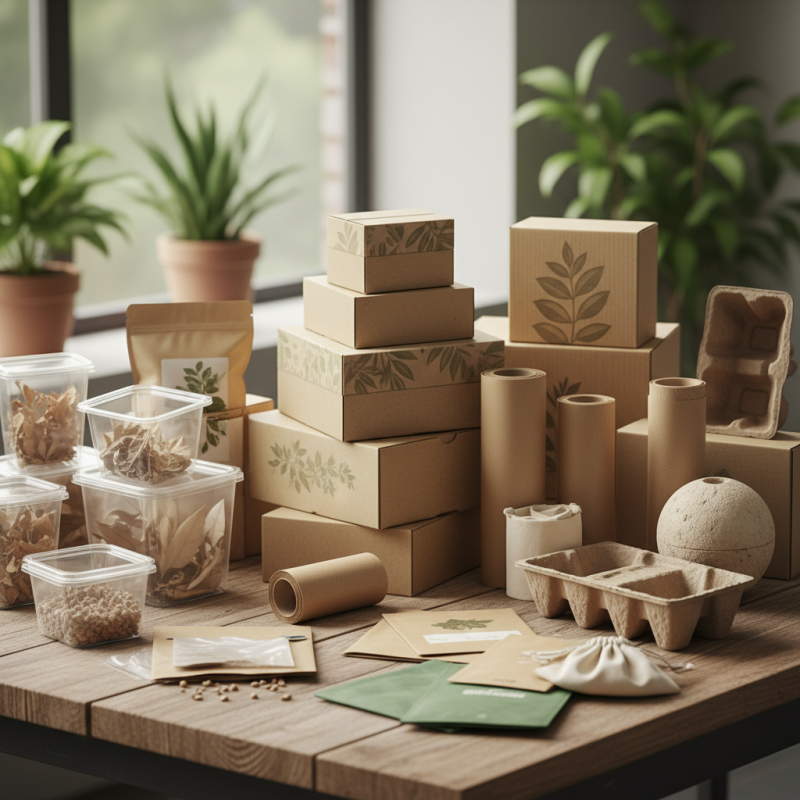
Definition of Environmental Packaging and Its Importance in Sustainability
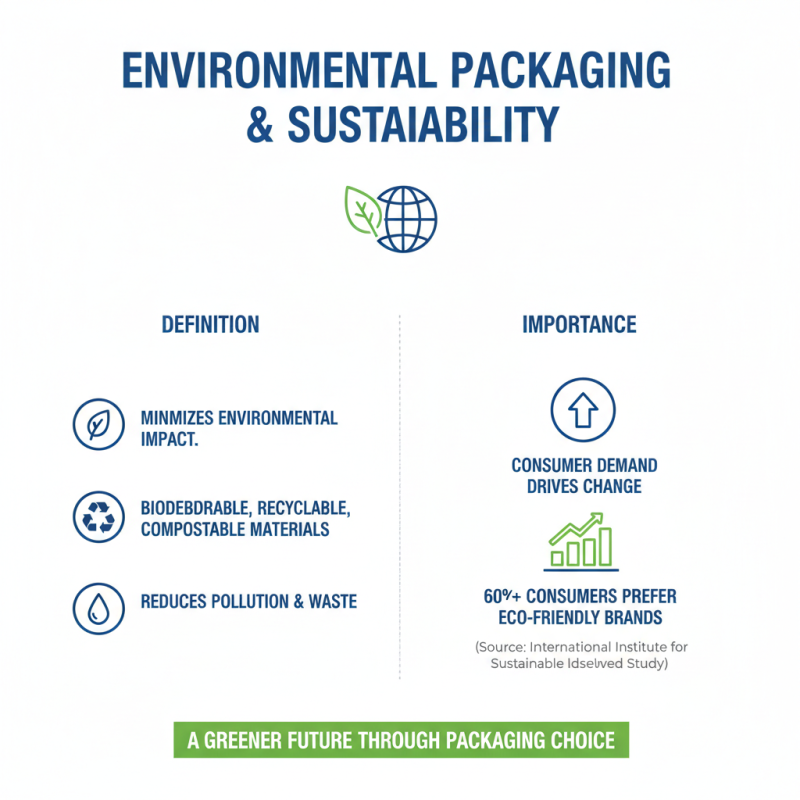
Environmental packaging refers to materials designed to minimize environmental impact. This involves using biodegradable, recyclable, or compostable materials. The importance of this approach cannot be overstated, especially as consumers demand more sustainable practices. According to a study by the International Institute for Sustainable Development, over 60% of consumers prefer brands that use eco-friendly packaging.
Implementing environmental packaging can significantly reduce waste. In Europe, 46% of plastic waste is from packaging alone. Companies adopting sustainable materials can help mitigate this issue. It's crucial to assess the entire life cycle of packaging, from production to disposal. This holistic view helps businesses understand their environmental footprint better.
Tips: Consider using recycled materials where possible. Combat overpackaging by evaluating the size and necessity of your packaging. Engaging suppliers in sustainability initiatives can enhance the overall impact. Assigning a dedicated team to focus on packaging can help with compliance and innovation. Remember, even small steps can lead to significant change.
Overview of Top 10 Sustainable Packaging Options for Businesses
Sustainable packaging is crucial for businesses aiming to minimize their environmental impact. Various options exist, catering to different needs and objectives. Biodegradable materials, such as plant-based plastics, break down naturally over time. This choice reduces landfill waste and lessens pollution.
Recyclable packaging is also vital. Materials like paper, glass, and certain plastics can be reused. However, not all consumers recycle properly. This inconsistency can lead to wasted efforts in sustainability. Companies must educate customers on recycling practices.
Using minimal packaging is another effective strategy. Reducing excess material decreases waste. However, striking a balance is essential. Too little packaging may jeopardize product safety. Furthermore, reusable options, such as refillable containers, offer another layer of sustainability. They promote a circular economy but require buy-in from consumers to be effective. Each of these solutions presents its own set of challenges that businesses must navigate.
Top 10 Environmental Packaging Options for Sustainable Business
| Packaging Option |
Material Type |
Recyclability |
Biodegradability |
Sustainability Score (Out of 10) |
| Recycled Paper |
Paper |
Yes |
Yes |
9 |
| Bamboo Packaging |
Bamboo |
Yes |
Yes |
8 |
| Glass Containers |
Glass |
Yes |
Yes |
9 |
| Compostable Films |
PLA (Polylactic Acid) |
Limited |
Yes |
7 |
| Seaweed Packaging |
Seaweed |
Yes |
Yes |
9 |
| Mushroom Packaging |
Mycelium |
Yes |
Yes |
8 |
| Plant-Based Plastics |
Bio-PE |
Limited |
No |
6 |
| Recycled Cardboard |
Cardboard |
Yes |
Yes |
9 |
| Reusable Cloth Bags |
Cloth |
Yes |
Yes |
10 |
| Edible Packaging |
Edible Materials |
Yes |
Yes |
10 |
Detailed Analysis of Biodegradable Packaging Materials
Biodegradable packaging materials are an essential component of sustainable business practices. These materials break down naturally over time, reducing landfill waste. Common biodegradable options include cornstarch-based materials and cellulose films. These alternatives provide effective solutions to plastic waste but come with challenges. Their decomposition rates depend on environmental conditions. If disposed of improperly, they can still contribute to pollution.
Another aspect of biodegradable packaging is resource use. Manufacturing processes often require significant energy and water. This can offset sustainability benefits. Companies must weigh these factors carefully. Certification standards for biodegradable materials vary. Consumers may be misled by vague terms. Transparency in labeling is crucial.
The market for biodegradable packaging is growing, yet it remains imperfect. Developing new materials is a challenging and costly process. Businesses need to invest in research and development. Many solutions may not scale effectively. Collaboration across industries can lead to better materials and practices. Sharing knowledge will enhance the development of truly sustainable options.
Top 10 Environmental Packaging Options for Sustainable Business
Benefits of Using Recycled Materials in Packaging Solutions
Recycled materials in packaging offer significant environmental benefits. Research indicates that using recycled content reduces greenhouse gas emissions by up to 30%. This not only impacts climate change but also lessens landfill waste. By choosing recycled materials, businesses actively contribute to a circular economy. This model minimizes resource extraction and emphasizes reusing materials.
Many companies are finding that consumers respond positively to sustainable packaging. A report from McKinsey shows nearly 60% of consumers prefer brands that prioritize environmental responsibility. Furthermore, packaging made from recycled materials can attract new customers. This aligns business operations with consumer demand for sustainability.
There are challenges, however. Sourcing high-quality recycled materials can be inconsistent. Companies may struggle with inferior quality or supply chain disruptions. This uncertainty can lead to hesitance in fully committing to recycled options. Continuous improvement in recycling technologies and practices is essential. Nonetheless, many organizations are finding that the initial investment in recycled materials pays off in customer loyalty and brand reputation.
Innovative Alternatives: Edible and Water-Soluble Packaging Options
As consumers increasingly seek eco-friendly solutions, edible and water-soluble packaging options are gaining traction.
The global green packaging market is projected to reach $500 billion by 2027, indicating a shift towards sustainable materials.
Edible packaging, made from seaweed or starch, can minimize waste and enhance the product's appeal.
These materials break down naturally and create less pollution than traditional plastic.
Water-soluble packaging represents another innovative alternative. This type of packaging dissolves in water, offering a zero-waste solution.
According to a recent report, consumers are 40% more likely to buy products with sustainable packaging.
This is a clear sign that businesses that embrace these options stand to gain a competitive edge.
However, challenges remain. Production costs for edible and water-soluble packaging can be higher than conventional materials.
Moreover, scalability and shelf-life issues need addressing. As businesses explore these alternatives, ongoing research and development will be crucial.
Making sustainable choices isn't just beneficial; it requires a commitment to improvement and adaptability in a rapidly changing market.