2026 Top Sustainable Packaging Materials for Global Buyers
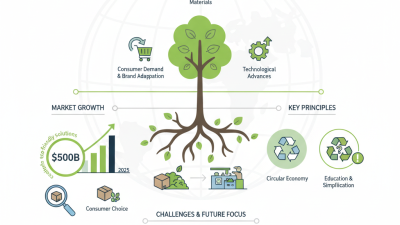
Global buyers are rethinking packaging as material choices affect cost, carbon emissions, product safety, and market access. This guide examines the 2026 top sustainable packaging materials through a practical sourcing lens. It focuses on performance, verified environmental claims, supply stability, and end-of-life options.
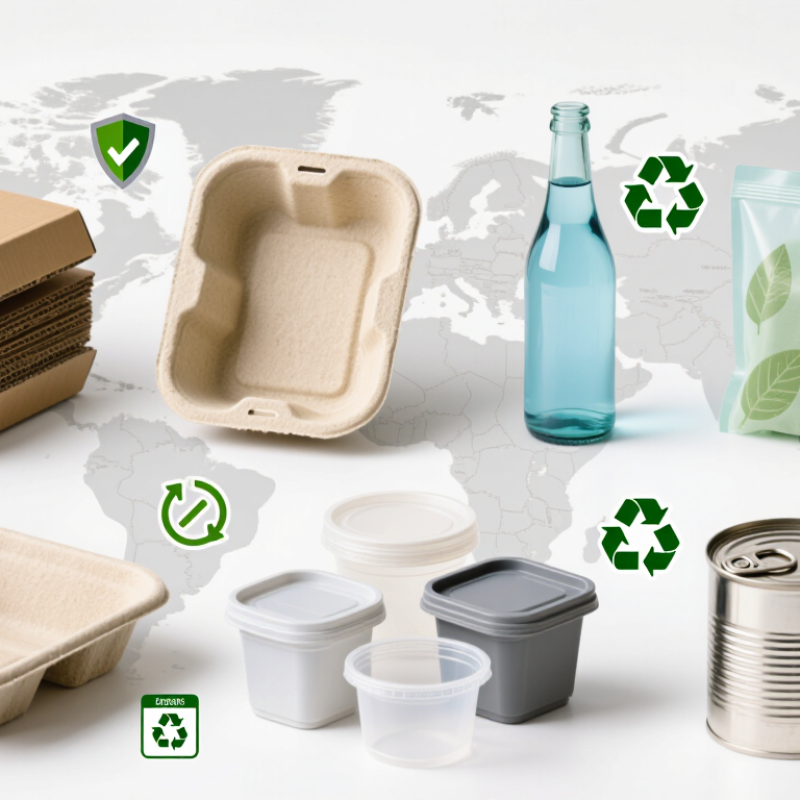
The selection includes recycled paperboard, molded fiber, recycled plastics, bio-based polymers, compostable films, glass, and lightweight metal. Each material solves different problems. A frozen food pack needs moisture resistance. A cosmetics carton needs premium print quality. A shipping mailer must survive compression, humidity, and rough handling. These details matter more than attractive sustainability language.
Evidence matters.
Responsible buyers should review life-cycle studies, recycled content records, food-contact documentation, and recognized certifications. Relevant references may include FSC, PEFC, ISCC PLUS, EN 13432, ASTM D6400, and ISO-based life-cycle assessment methods. However, certification does not guarantee universal suitability. Local collection systems, energy sources, transport distances, and regional regulations can change the result.
There is no perfect material.
A package made from renewable feedstock may require intensive processing. Recycled content can lower resource use, yet availability and quality may fluctuate. Compostable packaging may perform well only where suitable collection facilities exist. These limitations deserve honest discussion. The strongest choices combine supplier evidence, pilot testing, total-cost analysis, and clear disposal instructions. Global buyers can then compare sustainable packaging materials with greater confidence, while recognizing that “better” depends on the product, market, and real-world recovery system.
What Makes Packaging Materials Sustainable in 2026
In 2026, sustainable packaging means more than replacing plastic with paper.
Buyers must examine the material’s full journey, from raw fiber or crop waste to factory and disposal. A package can look natural yet carry a heavy footprint if it travels far or uses energy-intensive coatings. Responsible suppliers should provide credible data on recycled content, renewable inputs, water use, emissions, and end-of-life options. Certifications and independent audits add confidence, but paperwork is not proof by itself. Ask how the figures were measured. Small gaps matter.
Practical tips:
Request product specifications and disposal guidance before sampling. Test compression, moisture resistance, and seal strength with real products. Check whether local facilities accept the material. Compare shipping weight, not only purchase price. Avoid vague claims such as “green” or “eco-friendly.” Choose clear, measurable language.
A sustainable choice also protects product quality.
If a pouch tears during transport, its contents may be wasted, creating a larger impact than the package itself. Reusable formats can work well in controlled supply chains, but they need collection, washing, and return systems. Compostable materials need suitable conditions; many do not break down in ordinary bins. I have seen promising samples fail after humidity testing. That result is useful, not embarrassing. Sustainability requires performance evidence, honest limits, and periodic review as infrastructure changes.
Leading Bio-Based Materials for Sustainable Packaging
Leading Bio-Based Materials for Sustainable Packaging
Bio-based packaging is moving beyond a niche option for global buyers. Materials include paper fibers, molded pulp, cellulose films, starch blends, and bio-based polymers. European Bioplastics and nova-Institute reported global bioplastics production capacity at about 2.18 million tonnes in 2023. They forecast nearly 7.43 million tonnes by 2028. Growth looks impressive, but capacity is not the same as proven performance.
Paper and molded fiber suit cartons, trays, and protective inserts. Cellulose films can provide a clear, lightweight layer for dry foods. Bio-based polymers may support flexible pouches, coatings, and rigid containers. However, each material needs testing for moisture, heat, sealing, and shelf life. The OECD reported that only 9% of global plastic waste was recycled in 2019. A bio-based material does not automatically solve collection or recycling problems. That assumption needs challenging.
Tips: Ask suppliers for feedstock origin, third-party certification, barrier test results, and end-of-life guidance. Test packaging in real shipping conditions, including humidity and compression. Avoid vague “eco-friendly” claims. Check the local waste system first. Small trials reveal hidden failures. Some materials still cost more, and supply can fluctuate. That is inconvenient, but honest procurement is more reliable than optimistic marketing.
Recycled and Recyclable Materials for Global Supply Chains
Global buyers are prioritizing recycled and recyclable materials for complex supply chains. According to the OECD’s Global Plastics Outlook 2022, the world generated 353 million tonnes of plastic waste in 2019. Only 9% was recycled. The figure is uncomfortable. It shows why material selection cannot depend on appearance alone.
Recycled paperboard suits cartons, dividers, and protective sleeves. It is lightweight and widely available in many regions. However, moisture can weaken its structure during ocean transport. Recycled PET offers stronger performance for clear containers and protective films. Its quality depends on collection systems, sorting accuracy, and contamination control. Procurement teams should request recycled-content percentages, test reports, and batch traceability before approving suppliers.
Recyclable does not mean recycled. Local infrastructure decides the outcome. A mono-material package may perform well in one market but fail in another without suitable collection and reprocessing facilities. The United Nations Environment Programme’s Turning off the Tap report estimates that plastic pollution could fall by 80% by 2040 through reuse, recycling, and material redesign. That target is ambitious. Packaging specifications should therefore include regional end-of-life checks, not only laboratory claims. Some recycled inputs remain inconsistent. This weakness deserves honest testing, not optimistic language. Lifecycle data, transport conditions, and realistic recovery rates should guide every global packaging decision.
2026 Top Sustainable Packaging Materials for Global Buyers
EU-27 packaging recycling rates by material, 2022 (%)
Paper and cardboard, glass, and ferrous metal packaging achieved the highest recycling rates in the EU-27. Plastic and wood packaging recorded lower rates, highlighting the importance of recycled content, mono-material design, and established collection systems when building global supply chains. The figures are an EU benchmark and may vary by country and packaging format.
Source: Eurostat, Packaging waste by waste management operations, 2022.
Reusable and Compostable Packaging Options Compared
For global buyers in 2026, reusable and compostable packaging deserve different questions. Reusable formats suit stable delivery routes, return systems, and repeated handling. A durable polypropylene container can survive many cycles when cleaned and inspected correctly. Stainless steel offers strength, but its weight may increase transport emissions. Reuse is not automatically sustainable.
Compostable packaging can reduce persistent waste in suitable collection systems. Molded fiber trays and certified compostable films work well for selected food and retail applications. However, “compostable” does not mean it will break down anywhere. Many products need controlled industrial composting, heat, moisture, and processing time. Buyers should request test reports, material specifications, and clear disposal instructions. Local infrastructure matters more than attractive packaging claims.
In practice, reusable packaging performs best with nearby customers and predictable returns. A damaged unit, missed collection, or inefficient washing cycle can weaken its benefits. Compostable packaging may be simpler for one-way shipments, especially where return logistics are expensive. Yet contamination can send it to landfill. That is an uncomfortable limitation. Procurement teams should compare the full system, including manufacturing, transport, cleaning, recovery, and end-of-life treatment. Small pilot projects can reveal leakage, odor, stacking, and customer behavior before large contracts begin. Independent verification and supplier transparency remain essential.
How Global Buyers Evaluate Sustainable Packaging Materials
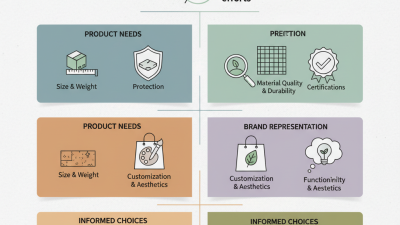
When global buyers assess sustainable packaging materials in 2026, they look beyond recycled content. Real purchasing decisions connect environmental data with product safety, factory performance, and end-of-life options. Evidence matters. Buyers often request material specifications, recycled-content percentages, sourcing records, and third-party test results. They also check whether local recycling systems can process the package. A technically recyclable format may still fail in markets without suitable collection facilities.
Performance remains essential. Buyers test compression strength, moisture resistance, seal quality, and shelf-life protection under real shipping conditions. A paper-based package may appear sustainable but collapse in humid storage. A lightweight design may reduce emissions but damage products during transport. Suppliers should provide trial samples and explain machinery requirements clearly. Vague claims weaken trust. Production teams also compare energy use, water consumption, and waste rates at the manufacturing site.
Cost is not judged alone. Buyers calculate total value across transport, filling efficiency, damage rates, disposal, and possible redesigns. Transparent lifecycle information supports better decisions, although no assessment is perfect. Carbon figures can change with transport distances, energy sources, and regional waste practices. This uncertainty deserves honest discussion. I have found that the strongest evaluations combine laboratory data with warehouse trials and feedback from local recycling operators. Sometimes, a less fashionable material performs better in the buyer’s actual market. That result can be difficult to accept, but it is more useful than a polished sustainability story.