2026 Top Sustainable Packaging Types for Global Buyers
Global buyers entering 2026 face a practical question: which packaging protects products while reducing waste across real supply chains? Sustainable packaging is not a single material or a green label. It is a set of choices measured against product protection, transport, sourcing, and end-of-life recovery. Sustainable-design expert William McDonough’s concise principle, “Waste equals food,” offers a useful lens. Yet packaging rarely returns neatly to a cycle.
This guide compares leading options, including recycled paperboard, molded fiber, mono-material flexible packaging, reusable transport containers, and compostable formats. Each has limits. Paper can struggle with moisture; lightweight films may need compatible collection and recycling systems. Compostable packaging is not automatically a better choice when suitable processing facilities are unavailable. The details matter: imagine a damp delivery box, a sealed snack pouch, or a reusable crate making its hundredth trip.
For buyers, material claims are only part of the assessment. Ask suppliers for clear specifications, relevant test results, recycled-content documentation, and evidence supporting environmental claims. Check whether local waste systems can actually handle the chosen format. No option wins in every application. That tension deserves honest review. A design that looks impressive in a sample room may perform differently on a busy packing line or after a long shipment. The sections ahead offer a grounded comparison to help global teams match packaging choices to products, markets, and recovery realities—without mistaking a promising material for a complete solution.

How Sustainable Packaging Is Defined and Evaluated in 2026
In 2026, sustainable packaging is not a single material category. It protects a product while reducing environmental burdens across its life cycle. Evaluators consider material origin, manufacturing energy, transport weight, reuse potential, and end-of-life options. A lightweight pack may use fewer resources but fail if it leads to more product damage. That trade-off matters. Buyers should compare options for the same product, shipping distance, and protection needs. Claims such as “recyclable” or “compostable” need context: local collection and processing determine whether those routes work in practice.
A practical review starts with measurable evidence: material weight per unit, recycled or renewable content, and test results for strength and barrier performance. Check whether reported figures cover the entire package or just one component. Ask suppliers for sourcing records and the assumptions behind any life-cycle assessment; different boundaries can change the results. Certification can support a claim, but its scope must match the material and market. Not a shortcut. Pilot shipments can reveal overlooked problems, such as damp cartons or labels that interfere with sorting. No score is perfect. Record data gaps and trade-offs instead of treating uncertain results as settled facts.
Paper-Based and Fiber Packaging Options for Global Buyers
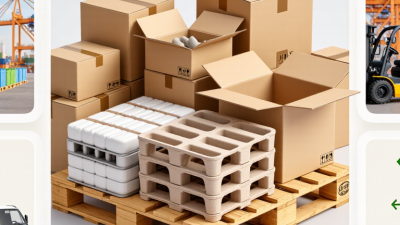
Paper-based packaging suits buyers who need renewable-fiber formats, clear print surfaces, and established converting options. Corrugated board protects heavy cartons in transit, while folding cartons fit retail shelves. Molded fiber can cradle fragile products; paper cushioning fills empty space without loose plastic foam. FAO’s 2022 forest-product statistics put global paper and paperboard production at about 401 million tonnes. That scale signals broad supply, but not automatic sustainability. Fit matters.
Material choice should follow the product and shipping route. A paper pouch may need a moisture or grease barrier, and added coatings can complicate recycling. Test it with the actual contents, humidity, stacking load, and local collection system. Eurostat reported that 83.2% of paper and cardboard packaging waste was recycled in the EU in 2022. That is a regional result, not a global guarantee. Not always.
For procurement, request fiber-origin documentation, recycled-content specifications, and packaging performance results. Compare total pack weight and damage rates, not material labels alone. A lighter carton that fails in transit may create more waste through replacement shipments. Paper also depends on responsible forestry and efficient pulping. I would avoid claiming every fiber option is “green”; the honest answer varies by sourcing, barrier design, and end-of-life access.
Reusable, Recyclable, and Compostable Packaging Types
Reusable, recyclable, and compostable packaging solve different problems; no single type fits every shipment. Reusable crates and containers can suit steady delivery routes where empty packaging returns reliably. Check how many trips they can withstand, how they stack, and whether washing is practical. A cracked corner matters. Extra transport and cleaning can also reduce their environmental benefit, so compare the full handling cycle rather than the container alone.
Recyclable packaging works best when its materials are easy to identify, separate, and process locally. Corrugated cartons are widely familiar, while simpler material combinations can make sorting easier. Ask suppliers for material specifications and test samples against real packing conditions: a box that softens in a damp warehouse may cause damage. Recyclability depends on available collection and processing systems, not just a label.
Compostable films, trays, and mailers may help with certain food-soiled or short-use applications, but they need suitable composting conditions. Some require industrial facilities that may not serve the destination market. Confirm accepted materials with local waste operators before choosing them. The awkward part is that packaging designed to break down can still become contamination if it enters the wrong waste stream. Buyers should compare durability, product protection, disposal access, and clear end-of-life instructions for each market.
Comparing Performance, Cost, and Environmental Trade-Offs
Packaging choices rarely have a single environmental winner. For global buyers, performance depends on product weight, moisture exposure, shipping distance, and local recovery systems. Paperboard is easy to print and often suits dry goods, but it can lose strength when damp. Added coatings may improve protection while complicating recycling.
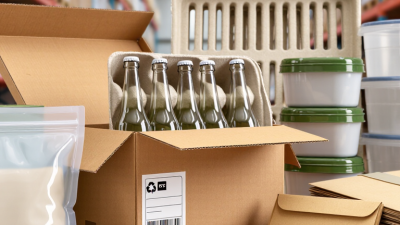
Recycled plastic can provide strong moisture barriers with less virgin material, yet collection quality and recycling capacity vary by market. Lightweight pouches may reduce freight emissions, but mixed materials can be difficult to sort. Costs vary. Molded fiber protects bottles and electronics from knocks, though bulky shapes can increase storage and transport costs. A sample packed for transit is more informative than a supplier’s broad claim.
Glass offers excellent product protection and repeated-use potential, but its weight raises shipping emissions and breakage risks. Compostable materials sound appealing, but they need suitable processing conditions; a household bin may not provide them. Not always. Buyers should compare delivered cost, damage rates, material weight, and the actual end-of-life options available where packaging will be sold. One awkward truth: the lowest-cost package can become expensive if it increases returns or requires extra protective layers.
2026 Top Sustainable Packaging Types for Global Buyers
Comparing performance, cost, and environmental trade-offs
Ratings use a directional 1–5 buyer-screening scale; higher scores indicate a more favorable result. They reflect typical packaging characteristics, not measured life-cycle results. Actual cost, protection, and recycling access vary by design, shipment, and destination market. Validate options with supplier quotes and region-specific life-cycle data.
How to Select Packaging for Markets and Supply Chains
Choosing sustainable packaging starts with the route, not the material label. A paper carton may suit dry goods moving through established retail networks, but moisture can weaken it during storage. Recycled-content plastic can resist water and reduce virgin material use, yet local collection systems may not accept every format. Compostable films work only where suitable collection and processing are available. That detail matters.
Compare packaging against the product, destination, and handling conditions. Check how long goods sit in warehouses, whether shipments face humidity, and how often parcels are transferred. Glass may protect sensitive products, but its weight can raise transport emissions and breakage risk. Lightweight molded fiber can cushion goods, though its shape may use more storage space. There is no perfect option.
Ask local distributors what actually happens to packaging after delivery. Confirm material specifications with suppliers and check current market requirements before printing labels or placing large orders. Run a small shipment test: record damage, packed volume, and customer disposal options. Results can be messy. A package that performs well in one region may fail in another, so revise the design when real supply-chain evidence points to a better fit.