Who Are the Best Sustainable Packaging Suppliers in China?

Choosing the best sustainable packaging suppliers in China requires more than comparing prices or attractive samples. Buyers must assess material composition, production consistency, documented testing, and the supplier’s ability to explain what happens after use. A recyclable label alone proves little.

The scale of the challenge is clear. The OECD’s Global Plastics Outlook (2022) identifies packaging as the largest generator of plastic waste, accounting for about 40% of plastic waste generated globally. UNEP’s Turning off the Tap (2023) finds that coordinated reuse, recycling, and material-reduction measures could substantially reduce plastic pollution by 2040. These reports set the context, not a supplier ranking. That distinction matters.

For this guide, “best” means a supplier can support its claims with traceable specifications, credible test reports, stable production, and clear communication about trade-offs. Ask for samples that match the proposed production material, not just a showroom version. Check whether paper coatings, inks, adhesives, or mixed materials could complicate recovery. A polished sample is not proof. Nor is a certificate, without checking its scope and validity. China’s supplier market is broad, and capabilities vary by factory and product line. Even a careful shortlist can miss problems that appear only during a production run. This guide compares practical signals to help buyers ask better questions, while recognizing that no single package fits every product or supply chain.

Who Are the Best Sustainable Packaging Suppliers in China?

What Makes a Packaging Supplier Sustainable in China?

A sustainable packaging supplier in China should show how each material is sourced, processed, and documented. Ask for current certificates and verify that they apply to the specific factory and product, not just the company’s office. Recycled content needs evidence. A label alone is not enough.

Factory-level details matter. Look for records of water use, energy consumption, production scrap, and waste handling. Ask whether offcuts are reused and how defects are tracked. A supplier that shares dated figures is easier to assess than one offering broad environmental claims. Worker safety and stable quality control also belong in the conversation. Sustainability is not only about the package.

Check whether packaging can be realistically recycled in its intended market. A material may be technically recyclable but rarely collected where customers live. Request samples, test sealing and transport performance, and compare packaging weight without sacrificing product protection. This takes time. It can also expose trade-offs a brochure leaves out. I would still question impressive percentages if the measurement method is unclear. Shipping distance, minimum order sizes, and production consistency can change the footprint and cost. A credible supplier should answer specific questions plainly, provide traceable documentation, and acknowledge where its data has limits.

Which Eco-Friendly Packaging Materials Do Chinese Suppliers Offer?

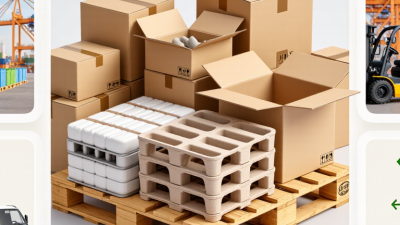
Chinese sustainable-packaging suppliers commonly offer recycled kraft paper, corrugated board, molded pulp, and plant-fiber materials such as bagasse. Paper mailers and cartons suit dry goods, while molded pulp trays can cushion bottles or small electronics. Ask suppliers for recycled-content records and samples; a material description alone cannot confirm its origin or performance.

UNEP’s 2023 report, Turning off the Tap, identifies packaging as 36% of plastics produced worldwide. That helps explain the interest in paper-based and fiber-based alternatives. But switching materials is not automatically better: heavier cartons may require more transport, and coated paper can be harder to recycle. A neat label can hide a messy end-of-life route. For flexible packs, suppliers may offer recycled PET or compostable bioplastics such as PLA. Check whether the local waste system accepts them. OECD’s Global Plastics Outlook (2022) estimates that only 9% of plastic waste was recycled globally in 2019. That figure is a useful warning, not a product-level comparison. I would judge each option by its protection, material traceability, and actual disposal route—not its “eco” wording alone.

Who Are the Best Sustainable Packaging Suppliers in China? - Which Eco-Friendly Packaging Materials Do Chinese Suppliers Offer?

Material Category Common Packaging Formats Environmental Characteristics Typical Applications Key Limitations What to Verify with a Supplier
Paper and corrugated board Folding cartons, shipping boxes, paper bags, sleeves, cushioning inserts Widely recyclable where paper collection and recycling are available. Recycled content can reduce demand for virgin fiber. Retail packaging, e-commerce shipments, dry goods, outer cartons Water, grease, or plastic coatings can affect recyclability. Paper packaging may need more material or protective design for heavy or moisture-sensitive products. Recycled-fiber content, fiber sourcing documentation, coatings and laminates, board strength, and destination-market recycling requirements.
Molded pulp Protective trays, bottle inserts, egg cartons, corner protectors, custom-fit cushioning Usually made from recycled paper fiber or other plant fibers; clean, uncoated items may be recyclable with paper in some local systems. Electronics protection, household goods, food-service trays, fragile-product inserts Moisture resistance and surface finish vary. Added coatings or mixed materials may affect recycling or composting options. Fiber source, additives and coatings, product drop-test performance, moisture resistance, and applicable food-contact documentation.
Bagasse and other agricultural-fiber packaging Plates, bowls, clamshell containers, trays, food-service containers Uses plant-fiber residues or other agricultural fibers. Compostability depends on the full product, any coatings, certification, and available composting facilities. Takeaway meals, catering, food-service applications, short-use containers Performance with hot, oily, or wet foods varies by design. Compostable products are not necessarily accepted in every composting system. Fiber composition, coatings, food-contact compliance for the sales market, and product-level compostability certification and disposal instructions.
PLA and certified compostable bioplastic Cold-drink cups, lids, clear containers, films, bags, selected food-service items PLA is commonly made from plant-derived feedstock. Some PLA products are designed for industrial composting, but this does not mean they will compost in home compost or ordinary outdoor conditions. Cold-food packaging, clear containers, bags, and applications suited to the material’s temperature limits Heat resistance varies; industrial composting access may be limited. Compostability depends on the finished item, not just the resin name. Resin and product composition, temperature performance, applicable certification for the finished product, and accepted disposal route in the destination market.
PBAT/PLA compostable blends Compostable bags, liners, flexible films, selected food-waste bags Some blends are certified for industrial composting. PBAT is generally fossil-derived, so “compostable” should not be confused with “fully bio-based.” Organic-waste liners and flexible packaging where a suitable composting collection system exists Not automatically recyclable with conventional plastic films. Composting performance depends on formulation, product thickness, certification, and facility conditions. Blend percentages, bio-based content if claimed, finished-product certification, thickness limits, and disposal guidance for each sales market.
Recycled PET (rPET) Bottles, trays, clamshells, sheets, textile-based reusable bags Uses recycled polyethylene terephthalate and can support material recycling where suitable collection and processing systems exist. Beverage containers, clear product trays, retail packaging, reusable bags Recycled content does not make the material biodegradable. Food-contact use and repeated recyclability depend on the product and applicable regulations. Verified recycled-content percentage, traceability, food-contact compliance where relevant, color and clarity specifications, and end-of-life compatibility.
Aluminum Cans, foil containers, lids, closures, flexible foil laminates Aluminum can be recycled repeatedly without the material losing its basic properties, where collection and recycling infrastructure is available. Beverages, food containers, barrier packaging, closures Primary aluminum production is energy-intensive. Composite foil packaging can be harder to separate and recycle than a single-material format. Recycled-content share, alloy or material specifications, coating and laminate structure, and local collection options for the final format.
Reusable packaging systems Returnable crates, durable totes, reusable containers, refillable packaging Can reduce single-use packaging when items are reused enough times and return, washing, and logistics systems are practical. Closed-loop distribution, food delivery, retail refill, and business-to-business transport Benefits depend on return rates, transport distances, washing requirements, and actual reuse cycles; a reusable item is not automatically lower-impact in every use case. Expected reuse cycles, return and cleaning process, material durability, repair options, and a comparison with the single-use alternative.

Chinese manufacturers and converters offer these material categories in a range of formats. The most suitable supplier depends on product protection needs, required certifications, order specifications, destination-market rules, and the local recycling or composting infrastructure. Verify claims and certificates for the finished packaging rather than relying on material descriptions alone.

How to Compare China’s Leading Sustainable Packaging Suppliers

Comparing China’s sustainable packaging suppliers requires more than checking whether a sample looks recyclable. Packaging represented about 36% of global plastics production in 2019, according to UNEP’s Turning off the Tap (2023). The OECD’s Global Plastics Outlook (2022) also identifies packaging as the largest source of plastic waste. That matters. Ask suppliers for material specifications, recycled-content evidence, and test reports—not just marketing claims.

Compare like with like. Request samples in the same size and thickness, then check sealing strength, moisture resistance, print quality, and performance on your filling line. For paper-based packaging, ask about recycled-fibre content and barrier coatings. For compostable materials, check which conditions and facilities the certification covers. A label alone is not proof of local disposal options. Look closer. Request lifecycle data with its assumptions stated, including transport distance and end-of-life treatment.

A neat sample can mislead; production batches may vary. Ask for quality-control records, documented tolerances, and a recent third-party test where appropriate. Compare minimum order quantities, lead times, and shipping impacts alongside unit price. No scorecard is perfect. Still, a simple weighted table makes trade-offs visible and helps separate verified performance from promises. One weak spot: reported footprint figures are hard to compare when suppliers use different boundaries.

Who Are the Best Sustainable Packaging Suppliers in China?

Compare suppliers by asking how their packaging materials perform at end of life—and request evidence for the markets where your products will be sold.

Benchmark: EU packaging waste recycling rates in 2022, rounded to the nearest whole percent. These are material-level figures, not China-specific rates or supplier performance scores. Use them as context, and verify recyclability claims against the destination market and local collection systems. Source: Eurostat.

What to Check in Supplier Certifications and Manufacturing Practices

When comparing sustainable packaging suppliers in China, treat certificates as evidence to verify, not decoration. Ask for current documents showing the issuing body, covered factory, product scope, and expiry date. A valid certificate for one site may not cover another production location. Check whether recycled-content claims have traceable records, such as purchase documents and batch-level production data.

Look beyond paperwork. Ask how the factory measures electricity, water use, production scrap, and waste disposal. Request recent figures, plus an explanation of how they are recorded. During a site visit, observe material storage, printing areas, and scrap separation. Small details matter. For example, mixed offcuts can be harder to recycle than clean, sorted material. Ask whether subcontractors follow the same controls.

Request samples and match them against the stated material specifications. For compostable packaging, check the test conditions and intended disposal route; industrial composting claims do not automatically mean home compostability. Independent audits can help, but their scope and date matter. A polished report may still leave gaps. Suppliers may also need time to retrieve detailed records, so allow room for follow-up questions and verify important claims through more than one source.

How to Choose a Supplier for Your Packaging Requirements

Choosing a sustainable packaging supplier in China starts with the product, not a broad “green” promise. Define the load, dimensions, moisture exposure, shipping route, and acceptable damage rate. Request a material specification, a sample, and recent test data. Ask whether recycled content is post-consumer or post-industrial, and whether coatings or inks affect local recycling.

Details matter. A plain sample can reveal weak seams, rough edges, or a lid that loosens after repeated handling. Compare samples under real conditions, not only on a showroom table.

Check production capacity against your forecast, including seasonal peaks, minimum order quantities, and lead times. Request a clear process for approving artwork, controlling batch variation, and handling defects. A factory visit can help, but dated records and consistent answers matter too.

Ask for relevant quality certificates and verify their scope with the issuing body; a certificate alone does not prove every product is sustainable. Ask for proof. Request quotes that separate tooling, transport, and unit costs. If the supplier cannot explain a claim plainly, pause.

A second sample round is easy to overlook; specifications often miss small details. That costs time, but rushing can cost more. Confirm who owns each corrective action before placing a large order.