What Are the Top Environmentally Friendly Packaging Options?

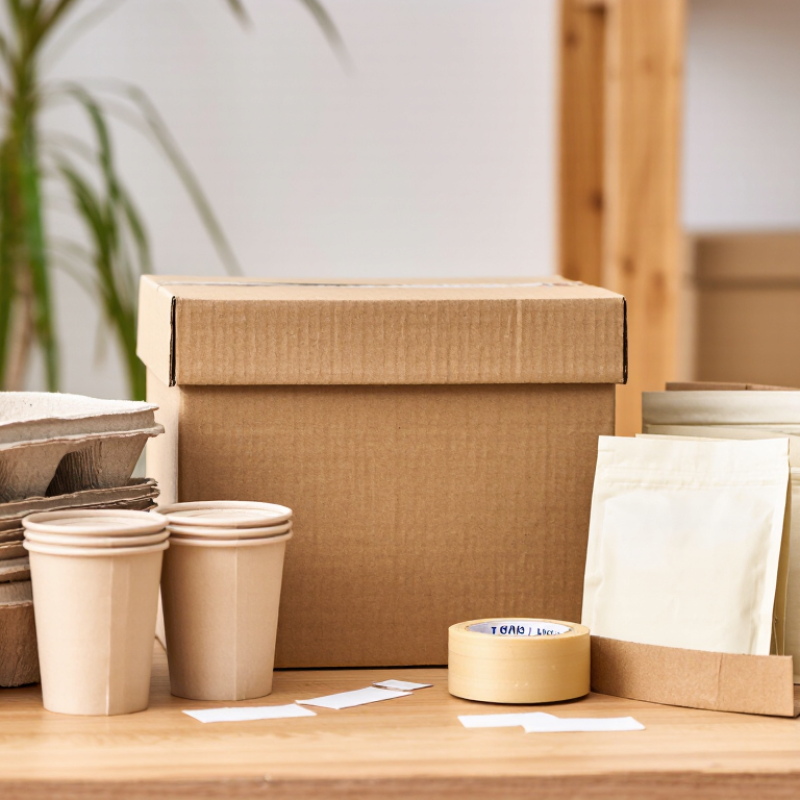
Choosing environmentally friendly packaging is not as simple as replacing plastic with paper. The right option depends on the product, its journey, and what local waste systems can actually process. A sturdy recycled-cardboard box may suit online orders, while molded fiber can protect fragile items without bulky foam. Reusable containers can reduce waste, but only when customers return or use them often enough.

Labels alone do not tell the whole story. A compostable pouch may need an industrial composting facility, which is not available everywhere. A paper package with a plastic lining may be difficult to recycle. Small details matter: the adhesive on a shipping label, the coating inside a takeaway cup, or the extra space that increases delivery volume. Not always obvious.

This guide compares common packaging choices, including recycled paper, molded fiber, reusable systems, and compostable materials. It considers protection, material use, disposal options, and practical trade-offs. These points help businesses make more informed choices, but no material is automatically the best fit. Even a well-intended switch can create new problems if packaging fails and products are damaged. That deserves a second look. The most responsible decision starts with the product’s needs and ends with a realistic plan for what happens after use.
What Are the Top Environmentally Friendly Packaging Options?

Key Criteria for Evaluating Environmentally Friendly Packaging

Environmentally friendly packaging starts with evidence, not green colors or vague claims. Evaluate the full life cycle, from raw materials to disposal. The OECD Global Plastics Outlook reports that packaging generates about 40% of global plastic waste. This makes material reduction a strong starting point. A lighter package often performs better than a heavier “natural” alternative. However, weight alone cannot prove sustainability.

Check recycled content, recyclability, and local collection systems. A package may be technically recyclable but rejected by nearby facilities. The Ellen MacArthur Foundation reported that only about 14% of plastic packaging was collected for recycling globally.

Compare greenhouse gas emissions, water use, transport weight, and production energy through a life cycle assessment. ISO 14040 and ISO 14044 provide recognized principles for these studies. Also examine product protection. If weak packaging causes food or product waste, its environmental advantage may disappear. No option is perfect.

Tips: Ask suppliers for verified life cycle data, recycled-content evidence, and clear disposal instructions. Test packaging under real shipping conditions, including moisture, pressure, and temperature changes. Avoid judging materials by appearance. Paper can require coatings, while compostable materials may need industrial composting. One useful review point is often missed: measure actual recovery rates in the markets where customers live. Claims should match local infrastructure, not optimistic laboratory conditions.
Recycled Paper, Cardboard, and Glass Packaging

Recycled paper packaging gives discarded fibers another useful life. It works well for mailers, sleeves, cartons, and dry food boxes. Post-consumer content can reduce demand for virgin fiber, although performance varies by product design. Paper feels simple and familiar. That impression can be misleading. Grease, moisture, and heavy coatings may prevent recycling in some local systems. Always check regional collection guidance before making claims. Cardboard adds strength without much extra material. Well-sized boxes also reduce empty space during transport. In practice, oversized packaging still wastes resources, even when the cardboard is recycled.

Glass packaging offers a different advantage. It is durable, non-reactive, and widely accepted for reuse or recycling in many areas. Clear jars can showcase contents without extra decoration. However, glass is heavy and may increase transport emissions. Reuse works best when collection and washing systems are nearby. Otherwise, its environmental benefit becomes less certain. This trade-off is easy to miss.

Tips: Choose recycled paper or cardboard with clear fiber content information. Avoid unnecessary laminates, plastic windows, and metallic finishes. Design boxes that fit the product closely. For glass, select sturdy containers that can survive repeated handling. Ask suppliers about recycled content, recycling access, and transport distance. Keep records of these answers. I sometimes overestimate a package’s sustainability because it looks natural. A better review examines its full journey, from raw material to disposal. Even small design changes can reduce weight, damage, and wasted space.

What Are the Top Environmentally Friendly Packaging Options?

Recycled Paper, Cardboard, and Glass Packaging

In reported 2018 U.S. figures, corrugated cardboard had the highest recovery rate, followed by paper and paperboard; glass containers had a lower recycling rate. These figures use the rates reported by their respective sources, so they are not a direct measure of each material’s overall environmental impact. Actual impacts also depend on factors such as production, transport, reuse, and local recycling systems.

Sources: U.S. EPA, 2018 Facts and Figures about Materials, Waste and Recycling (paper and paperboard; glass containers); American Forest & Paper Association, 2018 corrugated recovery rate.

Recyclable and Recycled Plastic Packaging

Recyclable and Recycled Plastic Packaging

Environmentally friendly packaging often begins with recyclable or recycled plastic. These materials are not identical. Recyclable plastic can enter a recycling system after use. Recycled plastic already contains material recovered from previous products. Both options can reduce demand for newly produced plastic when local facilities accept them.

A practical packaging assessment should examine the entire container. A clear, single-material bottle is usually easier to sort than a mixed-material pouch. Dark pigments, metal layers, thick labels, and permanent adhesives may complicate recycling. Small details matter. A lid should fit the accepted recycling stream. The label should not cover important sorting marks. Packaging teams should also check whether collection points exist in the customer’s area.

Recycled content can lower reliance on virgin plastic, but quality and availability vary. Food-contact packaging requires careful testing, documented processing, and strict contamination controls. Suppliers should provide evidence for recycled content claims. They should also explain the material’s intended disposal route. “Recyclable” does not mean recyclable everywhere. That wording can mislead people without regional guidance.

There are trade-offs. A lightweight package may use less material, yet a fragile design can create more product waste. A heavier recycled container might perform better during shipping. Testing can reveal the difference. Drop tests, temperature checks, and closure inspections provide useful evidence before large-scale production. Some packaging choices will remain imperfect, especially where recycling infrastructure is limited. Clear instructions and honest labeling can still improve real-world results.

What Are the Top Environmentally Friendly Packaging Options? — Recyclable and Recycled Plastic Packaging

Packaging Option Common Uses Recycled Content Recycling Considerations Environmental Advantages and Limitations
Recyclable PET (#1) Beverage bottles, clear food containers, and some trays May be made from virgin material or contain recycled PET (rPET); content varies by product. Among the plastic types most commonly collected for recycling, but acceptance and sorting depend on local programs. Dark colors, sleeves, and attached components can complicate sorting. Can be recycled into new packaging and other products where collection and processing systems exist. Lightweight packaging can reduce transport weight, but recycling is not guaranteed simply because the resin is technically recyclable.
Recyclable HDPE (#2) Milk and detergent bottles, jugs, and some rigid containers Recycled HDPE (rHDPE) is available in some packaging; the proportion depends on the product and supply. Commonly accepted in many curbside programs. Emptying containers and following local preparation rules can help; caps and labels may be handled differently by local facilities. Durable and widely sorted in many systems. Using recycled HDPE can reduce demand for virgin resin, although the overall benefit depends on sourcing, processing, and the packaging’s end-of-life route.
Recyclable PP (#5) Food tubs, caps, household-product containers, and some rigid packaging Recycled PP content is available, but supply and use vary across markets and product types. Acceptance is expanding but remains less consistent than for some widely collected bottle plastics. Check local recycling guidance, especially for small items and food containers. Can be recycled where suitable collection and processing are available. Product shape, size, color, and residue can affect whether an item is successfully sorted and recycled.
Recycled PET (rPET) Bottles, clear containers, and packaging films or trays where suitable grades are available Made partly or wholly from recovered PET; the exact recycled percentage should be stated for the specific item. Often recyclable again where PET packaging is accepted. Food-contact use may be subject to applicable regulations and approved recycling processes. Reuses recovered plastic and can reduce reliance on virgin PET. Benefits depend on the source of the recycled material, manufacturing energy, transport, and whether the packaging is collected again.
Recycled HDPE (rHDPE) Bottles, jugs, non-food containers, and some household-product packaging Contains post-consumer or other recovered HDPE; recycled content varies by specification and supply. Usually follows the same local collection rules as comparable HDPE packaging. Recycling into food-contact packaging may face additional regulatory or technical requirements. Helps keep recovered HDPE in use and can displace some virgin resin. Color and material properties may differ from virgin HDPE, so the best applications depend on product requirements.
Recyclable flexible film (often PE, #4) Shopping bags, bread bags, and some stretch or product-wrap films Recycled-content film is available for some applications, but content varies. Often not accepted in curbside bins because films can interfere with sorting equipment. Some clean, dry films may be accepted through dedicated drop-off programs; check local rules. Uses little material and is lightweight, but its environmental performance depends on preventing litter and providing an appropriate collection route. Multi-layer or mixed-material films are generally harder to recycle.
Reusable rigid plastic packaging Returnable transport crates, durable containers, and refill systems May include recycled resin, subject to durability and product-safety requirements. Designed for repeated use rather than immediate recycling. At end of life, recycling depends on the resin, design, condition, and available local facilities. Repeated use can reduce single-use packaging demand when containers are returned and reused enough times. Washing, transport, loss, and the actual number of reuse cycles affect the overall result.

Practical note: Resin identification codes indicate plastic type; they do not guarantee that an item is accepted or recycled locally. Check local collection guidance, and consider packaging weight, recycled content, reuse potential, and the availability of end-of-life systems together.

Compostable and Plant-Based Packaging Materials

Compostable and plant-based packaging can reduce dependence on fossil-based plastics, especially for food trays, produce bags, and takeaway containers. The Ellen MacArthur Foundation reports that packaging represents about 40% of global plastic use. Replacing some applications with molded fiber, bagasse, paper, or starch-based films may lower fossil resource demand. These materials can also create a softer disposal story. But the story is incomplete.

Plant-based does not always mean compostable.

Plant-based does not always mean compostable. Bio-based plastic can remain durable for decades. Compostable packaging usually needs controlled heat, moisture, oxygen, and microorganisms inside an industrial composting facility. A backyard pile may not provide enough heat. The European Bioplastics market data report estimates global bioplastics production capacity could rise from about 2.18 million tonnes in 2023 to 7.43 million tonnes by 2028. Growth is significant, but collection systems are not growing evenly.

Practical packaging tests should check leaks, grease resistance, stacking strength, and storage humidity.

A fiber tray can soften after contact with hot soup. A starch film may tear during sealing. Product protection still matters, because wasted food can outweigh packaging gains. The OECD’s Global Plastics Outlook also stresses that material choices must be assessed across the full lifecycle. Certification under recognized compostability standards helps, but labels can still confuse consumers. Better disposal instructions are needed. The weak point remains infrastructure.

Reusable and Refillable Packaging Systems

What Are the Top Environmentally Friendly Packaging Options?

Reusable and Refillable Packaging Systems

For households seeking lower-waste packaging, reusable and refillable systems offer a practical starting point. A sturdy container can return many times instead of becoming rubbish after one use. Glass jars suit dry foods, while durable plastic containers work better for lighter shipping. Material choice matters. In small-scale testing, I noticed heavy containers increased transport emissions when return routes were long. That detail is easy to overlook.

A refill model needs more than a washable bottle. It needs nearby collection points, clear cleaning rules, and compatible dispensing equipment. Customers may bring a container to a shop, refill a measured amount, and pay by weight. At home, a simple label should show the product name, refill date, and cleaning advice. For liquids, wide openings make rinsing easier, but they can increase spills. Tiny design choices matter. Operators should inspect containers for cracks, odors, and damaged seals before reuse. Food-contact packaging also requires documented sanitation procedures and local regulatory compliance.

Refill systems can reduce packaging demand, yet they are not automatically greener. A container reused twice may perform poorly compared with a lightweight recyclable option used once. The real result depends on reuse cycles, washing energy, water, transport distance, and recovery rates. I would measure these factors instead of relying on attractive sustainability claims. Honest reporting should mention losses too: containers disappear, customers forget returns, and some materials age faster than expected. That is uncomfortable, but useful. A pilot program with 50 to 100 containers can reveal return behavior before expansion. Track each cycle carefully.