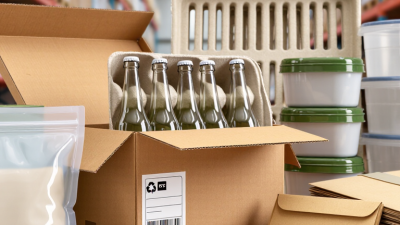
Global buyers are under growing pressure to reduce packaging waste without weakening product protection, safety, or supply reliability. Sustainable packaging is not simply a choice between paper, plastic, and compostable materials. It involves material sourcing, factory performance, transport distance, labeling, reuse systems, and local recovery infrastructure.
Circular-economy pioneer Ellen MacArthur offers a useful reminder: “There is no such thing as away. When we throw anything away it must go somewhere.” Her words matter at the loading dock, not only in sustainability reports. A recyclable carton may fail when a destination market lacks collection facilities. A reusable container may create extra emissions if it travels empty for thousands of kilometers.
The following ten sustainable packaging tips help global buyers evaluate practical options with greater confidence. They focus on measurable decisions, such as reducing unnecessary layers, requesting verified supplier data, improving package dimensions, and checking whether local recyclers can process the chosen material. Buyers should also examine recycled content claims, product protection tests, and end-of-life instructions before approving a design.
Details matter.
A smaller box can reduce pallet space, but not if damaged goods increase. A molded-fiber insert may look responsible, yet moisture exposure can compromise performance. Even experienced teams can overlook these trade-offs. That is why packaging decisions should combine lifecycle thinking, supplier audits, transport trials, and honest performance records. No single material wins everywhere. The best solution depends on the product, route, market, and recovery system.
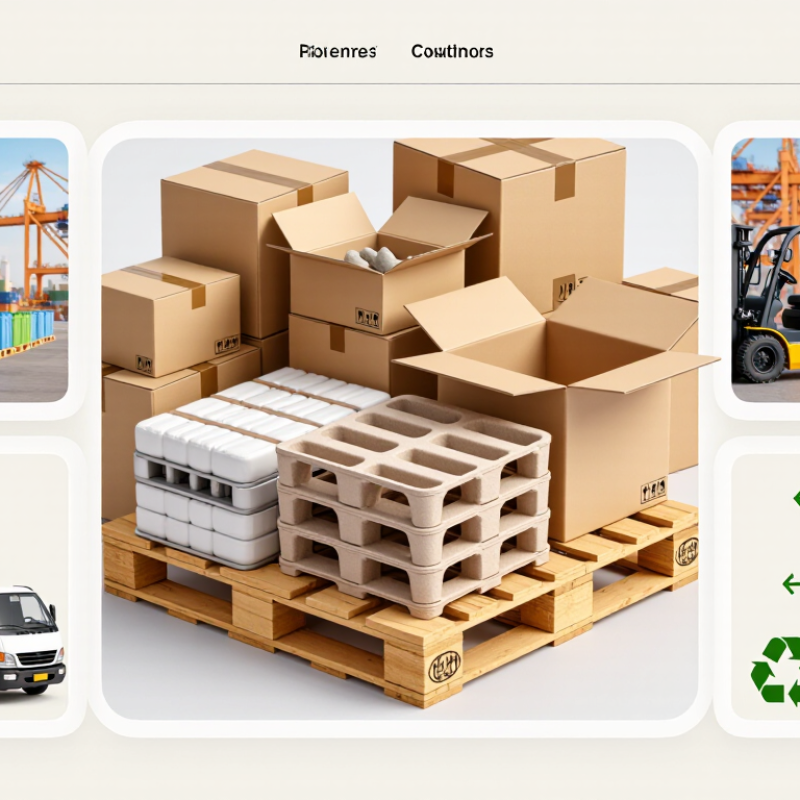
10 Sustainable Packaging Tips for Global Buyers
Set the Baseline: Packaging Uses 40% of Global Plastic Demand (OECD, 2022)
Packaging is not a minor purchasing detail. The OECD reported that packaging uses about 40% of global plastic demand in 2022. That figure changes how buyers should assess cartons, films, trays, and protective inserts. A lightweight parcel can still create waste when every component is oversized or difficult to separate. Measure packaging weight per shipped unit, recycled content, damage rates, and recovery options by market. Keep the data visible.
Tips: 1. Remove unnecessary layers. 2. Match box size to the product. 3. Prefer mono-material designs when practical. 4. Request clear material specifications. Ask suppliers for test records, not broad environmental claims. A damp warehouse may defeat a seemingly sustainable paper solution. That detail is easy to miss.
Tips: 5. Test recycled content under real transport conditions. 6. Reduce empty space with right-sized inserts. 7. Design labels and adhesives for easier recycling. 8. Check local collection systems before selecting a format. 9. Track packaging damage after delivery. 10. Review supplier data every year. Our first packaging draft may look efficient but perform poorly in humid routes or rough handling. Some compromises remain. The goal is not perfect packaging; it is measurable progress with fewer hidden trade-offs.

Choosing materials matters because the OECD reported in 2022 that only 9% of global plastic waste was recycled. This figure exposes a serious weakness in current packaging systems. Buyers should examine the material before comparing prices. Ask suppliers for resin identification, recycled-content evidence, and recovery instructions. A certificate helps, but it does not replace practical verification.
Request a physical sample before approving a large order. Check whether the carton survives stacking, humidity, vibration, and repeated handling. Thin packaging may reduce material use, yet damaged goods create more waste. Recycled content can also affect strength, color, and sealing performance. These trade-offs need testing.
Keep specifications simple. Separate paper, plastic film, metal, and adhesive layers where possible. Mixed materials are often difficult to sort economically. Compostable packaging is not automatically a better choice; it may require industrial facilities that many regions lack. Confirm local processing conditions before using that claim. I would not treat every supplier document as complete evidence. Audits can miss seasonal production changes, and recycling rates vary widely between countries. A practical review should include factory records, sample testing, disposal guidance, and honest discussion of limitations.
10 Sustainable Packaging Tips for Global Buyers
Design for Circularity: $80–120B in Packaging Value Is Lost Each Year (EMF)
The Ellen MacArthur Foundation estimates that $80–120 billion in packaging material value is lost annually after one short use. Global buyers can reduce this waste through practical design choices. Map the material flow before approving a package. Remove unnecessary layers. Right-size the format to reduce empty space. Choose one material where possible. Make parts easy to separate.
Use recycled content when supply quality and local rules allow it. Avoid pigments, coatings, and adhesives that disrupt recycling. Standardize package sizes across product lines. Test strength under heat, moisture, stacking, and transport pressure. Add clear disposal instructions for the destination market. These ten actions sound simple. Execution is not.
A recyclable package may still fail if local facilities cannot process it. This is often missed. Buyers should request supplier evidence, including material composition, recycled content, package weight, and recovery options. Check claims against independent testing or recognized standards. Ask what happens after collection, not only what appears on the label. We have seen lightweight designs crack during shipping, creating more waste than expected. A heavier option may sometimes perform better overall. Circularity needs honest measurement, not attractive language. Review failure rates, return damage, and regional recovery data every year. Suppliers should also explain design trade-offs in plain terms. Perfect packaging does not exist. Better decisions come from visible compromises and verified results.
The global packaging system loses an estimated US$80–120 billion every year when packaging materials are discarded rather than kept in circulation through reuse, recycling, or recovery. Designing packaging for circularity can help reduce this value loss.
Source: Ellen MacArthur Foundation, “The New Plastics Economy: Rethinking the Future of Plastics.”
Global buyers should verify environmental claims before accepting packaging quotations. ISO 14021 guides self-declared claims, including recycled content statements. It does not replace local legal requirements or independent certification. The supplier should clearly identify the recycled material percentage, source, and calculation method.
Ask for dated production records, purchase invoices, and material specifications. Claims need evidence. Compare the declared percentage with batch records and packaging samples. A carton marked “70% recycled” should have a traceable calculation behind it.
The record should distinguish pre-consumer and post-consumer material, because these terms describe different waste streams. Keep the calculation visible.
During a supplier review, examine whether the percentage applies to the whole package or only one layer. A film may contain recycled plastic, while its adhesive and ink do not. Request the mass of each component. Small details matter. Photos can support a review, but they cannot prove material content. Laboratory testing may be appropriate when documentation appears incomplete or inconsistent.
A practical weakness is that spreadsheets often contain copying errors. I have found that simple checks can expose them. Recalculate the percentage from the listed component weights. Confirm that the numbers match the purchase order and production lot. Some suppliers may use recycled input from controlled industrial scrap, while others use recovered consumer waste. Both require precise wording. Vague claims create purchasing risks and weaken buyer trust.
The EU’s 65% packaging recycling target for 2025 affects how global buyers plan materials, contracts, and evidence. It measures packaging waste recycled by weight, not simply packaging collected. Material-specific targets also apply. Do not confuse this goal with recycled-content requirements. National rules and reporting methods may differ. Check current official guidance before shipment.
Ten practical checks can reduce compliance risks. Select mono-material packs where product protection allows. Reduce empty space and unnecessary layers. Prefer widely accepted paper, glass, metal, or recyclable plastic formats. Avoid dark pigments and inseparable coatings when sorting systems reject them. Print clear disposal instructions. Ask suppliers for material specifications, recycled-content records, and recycling test results. Confirm packaging weights by component. Keep invoices, declarations, and laboratory reports together. Design cartons that survive transport without extra wrapping. Review take-back or producer-responsibility duties in each destination market.
A useful test is a warehouse audit. Place one packed order beside a sorting guide, then identify every component. The tape, label, ink, pouch, and protective insert matter too. Small parts are easily missed. We once found that a recyclable box used a laminated label, weakening the entire recovery plan. That mistake was cheap to fix, but costly to explain. Pilot packaging with local recyclers where possible. Recycling claims should match available infrastructure, not only laboratory results. Recheck supplier data before each annual reporting cycle, because formulas and market rules can change.
Practical packaging criteria, measurable targets and regulatory considerations for international sourcing
| No. | Sustainability Dimension | Recommended Buyer Action | Relevant Data Point | Compliance or Verification Check |
|---|---|---|---|---|
| 1 | Packaging reduction | Remove unnecessary layers, inserts, void fill and oversized cartons before selecting alternative materials. | Record packaging weight and volume per shipped product; compare the result against the previous design. | Use documented pack-out trials and transport testing to confirm that material reduction does not increase product damage. |
| 2 | Recyclable design | Prefer packaging structures that can be collected, sorted and recycled in the intended destination market. | Separate components by material and identify adhesives, coatings, labels and closures that may affect sorting or recycling. | Obtain written recyclability guidance from the relevant national or regional packaging system rather than relying only on a material claim. |
| 3 | EU recycling planning | Build packaging specifications around the EU packaging recycling targets and the requirements of each importing country. | EU packaging waste recycling target: 65% by weight by 2025 and 70% by weight by 2030. | Track packaging material weights by material category and retain evidence supporting recyclability and recovery calculations. |
| 4 | Paper and board sourcing | Use recycled fibre where performance allows and request traceability for virgin fibre content. | For paper and board, record recycled-fibre percentage, total basis weight and any barrier coating used. | Request supplier declarations, chain-of-custody documentation where applicable, and test reports for food-contact packaging when relevant. |
| 5 | Plastic material selection | Use one compatible polymer where possible and avoid unnecessary multilayer structures that complicate recycling. | For plastic packaging, document polymer type, recycled content percentage, additives and component weights. | Check applicable recycled-content rules, chemical restrictions and national labeling requirements in every sales market. |
| 6 | Reusable packaging | Select reusable transport packaging only where return logistics, cleaning and sufficient reuse cycles are practical. | Measure expected number of reuse cycles, return rate, cleaning requirements and packaging loss rate. | Compare the full life-cycle impact with a single-use option, including reverse transport and washing energy or water. |
| 7 | Material efficiency | Optimize carton dimensions and pallet configuration to increase product density and reduce empty transport space. | Track product-to-packaging ratio, cartons per pallet, pallet utilization and shipment volume per unit. | Validate the revised configuration through compression, vibration, drop and climatic testing suitable for the route. |
| 8 | Hazardous substances | Specify restrictions for inks, coatings, adhesives, heavy metals and other substances relevant to the destination market. | Maintain a material and chemical declaration for every packaging component, including supplier and batch references. | Review applicable EU chemical legislation, food-contact rules and customer restricted-substance requirements before approval. |
| 9 | Labeling and disposal guidance | Provide clear, market-appropriate disposal instructions and identify separable packaging components. | Record label language, disposal symbols, material identification and country-specific requirements. | Verify claims such as “recyclable,” “compostable” or “made with recycled content” against recognized standards and local collection conditions. |
| 10 | Supplier data and reporting | Include packaging data requirements in purchase specifications and review them during supplier qualification. | Collect packaging weight, material type, recycled content, country of manufacture and annual volume by product. | Use a controlled data sheet, retain supporting documents and update information whenever the packaging design or supplier changes. |