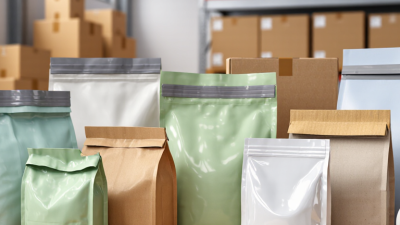
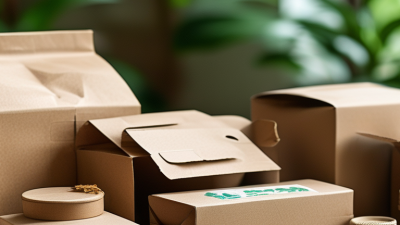
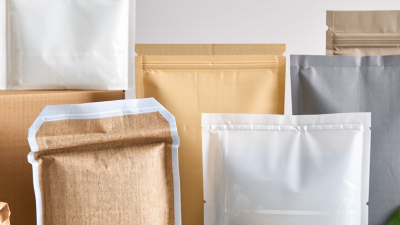
Global buyers are giving biodegradable shipping bags closer attention as e-commerce parcels cross more borders. Yet the word “biodegradable” can suggest more than a product actually delivers. Performance depends on the material, bag thickness, transport conditions, and disposal route. A bag that breaks down in an industrial composting facility may not do so in a backyard bin or landfill.
The scale of plastic waste makes careful sourcing important. The OECD’s Global Plastics Outlook reports that the world generated 353 million tonnes of plastic waste in 2019, and only 9% was recycled. Packaging was the largest source. These figures describe all plastics, not shipping bags alone, but they show why packaging choices deserve scrutiny. There is no perfect bag yet.
This 2026 guide compares biodegradable shipping bags for international buyers, including material options, durability, sealing, printability, and supplier documentation. Look for clear test methods and certification details, not just broad environmental claims. Ask whether the product protects a parcel through rain, sorting belts, and long-distance handling. Then check which disposal facilities can actually accept it in the destination market. Standards and collection systems vary, so one specification may not fit every region. A practical choice balances protection, verified end-of-life conditions, and supply consistency. The details matter. Even a promising bag can disappoint if its disposal instructions are vague or unavailable to customers.
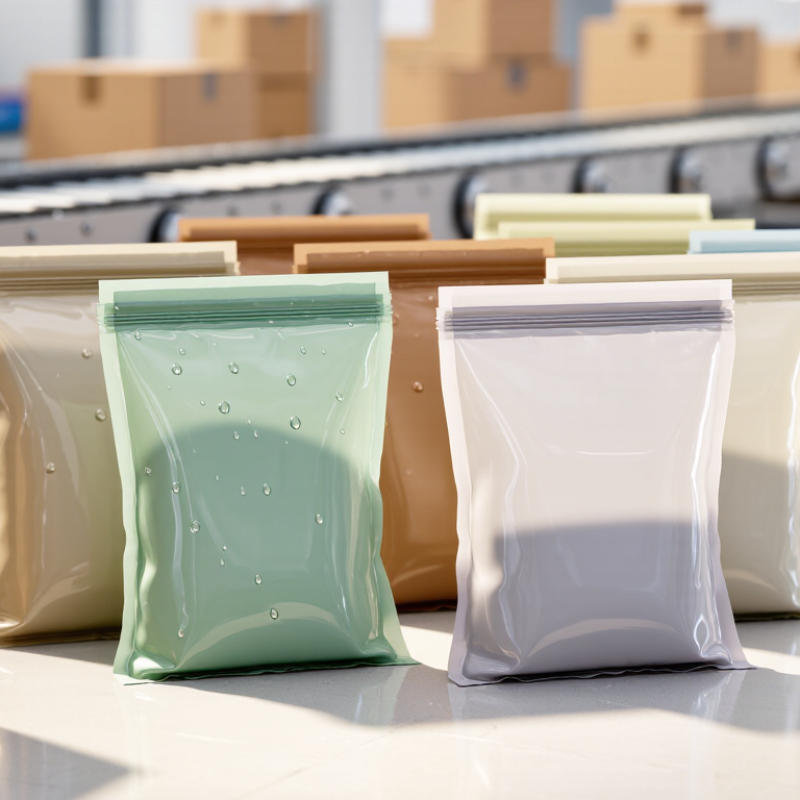
Biodegradable shipping bags are designed to be broken down by microorganisms into simpler substances, such as water, carbon dioxide, and biomass. The process needs the right conditions. Heat, moisture, oxygen, and microbial activity all affect how quickly a bag changes.
Not everywhere. A bag that breaks down in an industrial composting facility may persist in a cool backyard pile, landfill, or marine environment.
“Biodegradable” alone does not tell buyers where disposal is suitable.
Testing helps make the claim more specific. ASTM International’s D5338 method measures biodegradation under controlled composting conditions. ASTM D6400 sets requirements for plastics labeled compostable in municipal or industrial facilities, including biodegradation and disintegration criteria. These tests are not proof that a bag will vanish in nature.
OECD’s Global Plastics Outlook estimated that 353 million tonnes of plastic waste were generated worldwide in 2019, with only 9% ultimately recycled. That scale makes disposal claims worth checking. Look for the named test standard and the facility conditions it covers; local composting services may not accept certified bags.
The label can still leave questions. That is a real limitation.
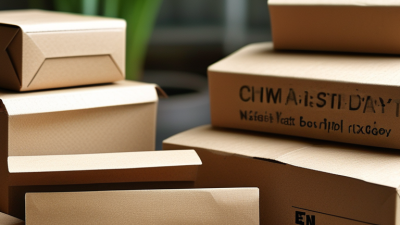
Biodegradable shipping bags are usually made from material blends, not one magic ingredient. Common components include PBAT, a flexible biodegradable polyester, and PLA, a plant-derived polymer often made from fermented sugars. PBAT can help a mailer stretch around sharp corners; PLA may add stiffness. Some blends also contain thermoplastic starch from corn, potato, or cassava. The recipe affects tear resistance, sealing, moisture response, and cost. Feel the film. A softly crinkling bag may still fail at a wet seam.
Cellulose films and coated paper are other options, though their strength and water resistance vary. “Biodegradable” does not mean a bag will quickly disappear in a garden or roadside ditch. Many materials need specific heat, moisture, and microbial conditions, often found in managed composting facilities. Ask suppliers for material details, test data, and certifications suited to the intended disposal route. Test filled bags under realistic transit conditions, including cold storage, rain, and rough handling. A compostable formulation may not suit every shipment, and local collection systems may not accept it. That detail is easy to miss. Choose materials that protect the contents and match the waste infrastructure buyers can actually access.
Biodegradable shipping bags come in several formats, and the right choice depends on the item, route, and handling conditions. Lightweight flat mailers suit clothing, soft goods, and documents that do not need rigid protection. For small accessories, padded mailers add cushioning, but check whether the lining and outer film share the same end-of-life requirements. Mixed materials can complicate disposal.
Gusseted bags expand to hold bulky garments or several items without forcing a tight seal. They can help pack orders efficiently, though oversized bags may use more material than necessary. For moisture-sensitive goods, look for a bag with documented water resistance and test it with realistic parcel handling. A long, wet delivery route changes the equation.
Some bags are designed for certified composting conditions; others are described as biodegradable without specifying where or how quickly they break down. These terms are not interchangeable. Ask suppliers for test standards, storage guidance, and clear disposal instructions, then confirm that local facilities accept the material. It is easy to overlook this step. A bag may perform well in transit yet have no suitable processing option nearby. Check seal strength, tear resistance, and print compatibility using the actual package weight before placing a large order.
For global buyers, “biodegradable” alone is not a useful purchasing specification. Look for a named standard and a certificate covering the finished shipping bag. EN 13432, ASTM D6400, and ISO 17088 relate to compostable plastics under controlled composting conditions. They assess factors such as biodegradation, disintegration, and effects on compost quality. Home composting is different; standards such as AS 5810 address that setting.
Check the certificate’s scope carefully. Does it cover the bag’s actual thickness, inks, adhesives, and handles, or only a base material? A thin sample may break down differently from a thick mailer. Ask for the certificate number, issuing body, test conditions, and validity status. Independent certification and laboratory testing provide stronger evidence than a supplier’s general claim. Details matter.
These standards do not mean a bag will disappear in a landfill, roadside ditch, or ocean. Most compostability claims depend on specific temperature, moisture, and processing conditions. A practical buyer should confirm whether local facilities accept the material and whether the label explains disposal clearly. Even a well-certified bag can be mis-sorted. That part is easy to overlook, and it deserves a second look.
| Standard or evidence | What it covers | What it can help verify for a shipping bag | Important limitations for buyers | Useful purchasing check |
|---|---|---|---|---|
| EN 13432 | Requirements and evaluation criteria for packaging recoverable through industrial composting and biodegradation. | Evidence that the packaging has been assessed for biodegradation, disintegration, effects on compost quality, and regulated constituents under the standard’s test scheme. | Relates to industrial composting conditions, not ordinary soil, landfill, or home composting. Certification of a resin or film does not automatically cover a finished bag with inks, adhesives, closures, or other components. | Request documentation identifying the exact finished bag, its construction, and the applicable standard and certification scope. |
| ASTM D6400 | Specification for labeling plastics designed to be aerobically composted in municipal or industrial facilities. | Can support an industrial-compostability claim for a plastic shipping bag when the complete product meets the applicable requirements. | Does not mean the bag will biodegrade quickly in the natural environment, home compost, or landfill. Local composting facilities may not accept flexible packaging. | Check that the evidence applies to the finished bag and confirm whether intended markets’ composting facilities accept flexible packaging. |
| ASTM D6868 | Specification for end items containing plastics or polymers as coatings or additives on paper and other substrates, designed for industrial composting. | May be relevant to paper-based mailers or packaging that includes a polymer coating, lining, or additive. | It is not a general claim that any paper-and-plastic combination is compostable. The complete construction and its components must fall within the evidence scope. | Ask for test or certification records covering the paper substrate, coating, adhesives, printing, and finished item as applicable. |
| ISO 17088 | Specifications for compostable plastics, including requirements related to biodegradation, disintegration, and effects on compost quality. | Provides a recognized specification that can support assessment of plastic materials or products intended for composting. | It addresses compostability under defined conditions; it does not establish that a bag will biodegrade in every environment or be accepted by every waste-management system. | Verify the edition cited, the product scope, and whether the claim concerns a raw material, film, or finished bag. |
| AS 5810 | Australian standard for biodegradable plastics suitable for home composting. | Can support a home-compostability claim when the relevant product meets the standard’s requirements. | Home composting conditions vary substantially with temperature, moisture, aeration, and composting time. This is distinct from industrial-compostability evidence. | Check that the claim explicitly covers home composting and the complete bag, and review any conditions stated on the certification or label. |
| NF T 51-800 | French standard specifying requirements for plastics suitable for home composting. | May provide relevant evidence for a home-compostable plastic bag in markets where this standard is recognized. | It is not interchangeable with industrial-composting standards. Acceptance and labeling rules can differ by country and market. | Confirm the standard and product scope with the supplier, and check applicable local labeling and waste-disposal requirements. |
| ISO 14855-1 | Test method for determining ultimate aerobic biodegradability of plastic materials under controlled composting conditions. | Can provide test data on biodegradation under the specific controlled conditions described by the method. | A test method alone is not a product certification or proof of compliance with every compostability specification. | Request the full test report, including sample identity, test conditions, duration, results, and laboratory details. |
| Third-party certification and product-scope documents | Independent conformity assessment against a stated standard or scheme; documentation may identify the certified product and permitted claims. | Helps buyers check whether a specific bag—not just a generic material description—has been assessed against the stated requirements. | A certificate is only as relevant as its scope, validity, standard, and covered product construction. A supplier declaration or laboratory result is not automatically a certification. | Verify the certificate number, issuing body, validity, standard, product description, and whether inks, closures, labels, and adhesives are included. |
Buyer takeaway: “Biodegradable” alone does not identify where or under what conditions a bag will break down. Match the claim to the intended disposal route, verify evidence for the finished bag, and confirm acceptance with local composting or waste-management facilities. Recycled-content plastic and compostable plastic are different claims; recycled content by itself does not demonstrate biodegradability.
Global buyers should compare biodegradable shipping bags under the same conditions, not rely on a single “eco-friendly” claim. Start with the route. A bag crossing humid ports may soften sooner than one stored in a dry warehouse. Ask suppliers for thickness, load capacity, seal strength, and test methods. Then test samples with actual products: books, garments, or small boxed goods. A handle that holds in a showroom may stretch during a long delivery.
Compliance needs careful checking. “Biodegradable” does not automatically mean home-compostable, nor does it describe how quickly a bag breaks down in every environment. Request current test reports and confirm that the stated standard applies in the destination market. Check the fine print. Labels, disposal instructions, and claims should match the evidence. Requirements can change, so buyers should verify details with local packaging specialists rather than assume one document covers every country.
Cost is more than the price per bag. Compare minimum order quantities, freight, storage life, and the cost of damage or returns. A thinner bag may save money but fail under sharp corners or heavy rain. Ask for a landed-cost quote and run a small trial shipment before ordering at scale. The comparison will not be perfect; conditions vary, and supplier data may use different test setups. Note those gaps instead of treating estimates as guarantees.