How to Choose the Best Biodegradable Mailers in 2026?

In 2026, packaging buyers face more choices, stronger sustainability claims, and greater pressure to reduce shipping waste. Choosing the right biodegradable mailers requires more than reading a green label. Material composition, tear resistance, moisture protection, and disposal conditions all affect real-world performance.

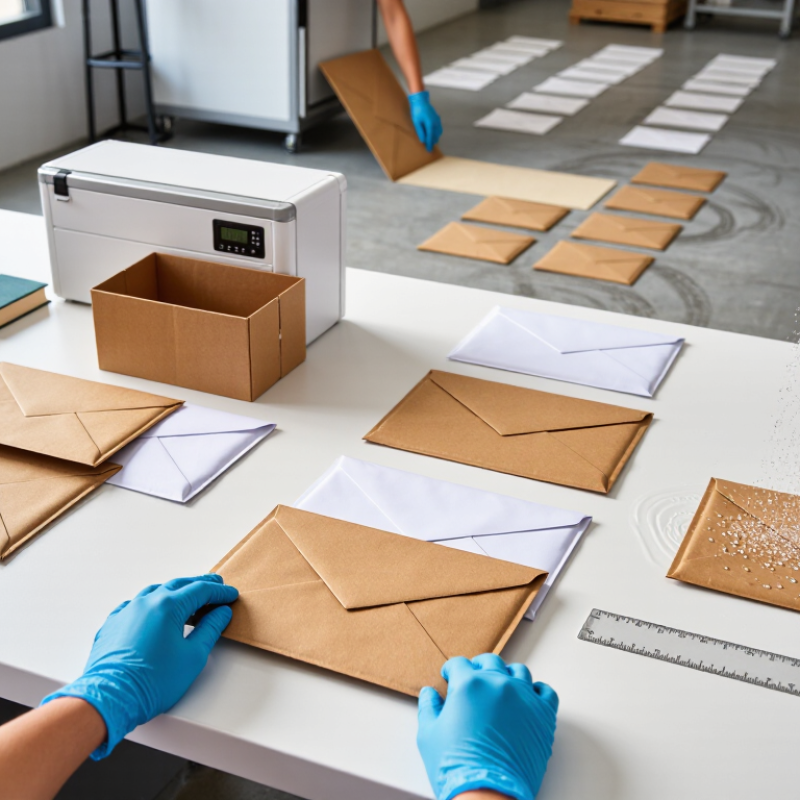
A reliable evaluation starts with practical testing. Fill each sample with clothing, books, or small household products. Drag the package across a warehouse floor. Check the seams after exposure to rain, cold storage, and repeated handling. A mailer that performs well in a laboratory may fail during peak-season delivery. That difference matters.

Look for clear evidence from manufacturers, including fiber or polymer details, third-party certifications, and documented testing methods. Standards such as EN 13432 or ASTM D6400 may support specific compostability claims, but certification does not guarantee suitable local disposal access. Ask where the mailer breaks down and under which controlled conditions. The answer may be less convenient than the advertisement.

There is no perfect option.

Some products use recycled content, while others rely on compostable materials. Each choice has trade-offs involving cost, durability, shelf life, and end-of-life processing. Even experienced buyers can misjudge these factors when comparing attractive product pages. This guide examines the practical signals behind sustainability claims, helping businesses select biodegradable mailers with greater confidence and fewer costly surprises.
How to Choose the Best Biodegradable Mailers in 2026?

What Are Biodegradable Mailers and How Do They Work?

How to Choose the Best Biodegradable Mailers in 2026?

Biodegradable mailers are flexible shipping envelopes designed to break down through biological activity. Their materials may include starch blends, PLA, or compostable polyesters. However, “biodegradable” does not automatically mean home compostable. Breakdown depends on heat, moisture, oxygen, and microbial activity. Industrial composting usually provides these conditions. A backyard pile may not.

The difference matters. A mailer certified to EN 13432 or ASTM D6400 should meet defined compostability requirements. These standards assess disintegration, biodegradation, and potential toxicity. They do not guarantee local acceptance. Check the disposal route before choosing a product. The label can still mislead.

Industry data adds useful perspective. European Bioplastics and nova-Institute reported that global bioplastics production capacity could grow from about 2.18 million tonnes in 2023 to 7.43 million tonnes by 2028. Yet growth does not remove disposal problems. The OECD’s Global Plastics Outlook found that only 9% of plastic waste was recycled worldwide in 2019. Material selection remains imperfect. A compostable mailer sent to a landfill may behave differently from its marketing promise. Look for clear certifications, measured thickness, tear resistance, and realistic end-of-life instructions. Test the mailer with a full shipment, including labels and returns. Small failures become expensive quickly.
Which Materials and Certifications Should You Compare?

How to Choose the Best Biodegradable Mailers in 2026?

Material choice should match your product, shipping route, and disposal system. Paper mailers can provide a familiar, recyclable option, especially when they use water-based coatings. However, coatings may affect recycling performance. Compostable mailers often use certified bio-based or biodegradable polymer blends. Bio-based does not always mean compostable. Some materials require industrial composting, while others may need controlled soil conditions. I learned this distinction after seeing a “green” package rejected by a local facility. The label sounded better than the infrastructure.

Compare certifications carefully. Look for standards such as EN 13432, ASTM D6400, or ISO 17088 when evaluating industrial compostability claims. Check whether certification covers the complete mailer, including ink, adhesive, and closure strip. A material certificate alone may not support a finished-product claim. Confirm the testing conditions, certificate number, expiry date, and disposal instructions. Reliable suppliers should provide test reports and explain limitations clearly. Vague claims deserve questions.

Tips: Request samples before ordering. Test seams, moisture resistance, and tear strength with real products. Place a filled mailer in a damp storage area for several days. It should protect the contents without unnecessary plastic layers. Ask your local waste facility what it accepts. This step is easy to miss. Also compare thickness, recycled content, transport weight, and end-of-life guidance. The cheapest option may create higher costs through returns or disposal confusion.

How Can You Evaluate Durability, Protection, and Shelf Life?

How to Choose the Best Biodegradable Mailers in 2026?

How Can You Evaluate Durability, Protection, and Shelf Life?

A biodegradable mailer should survive real handling, not only a laboratory demonstration. Check film thickness, tear resistance, seam strength, and closure performance. Test it empty. Then fill it with books, clothing, or similarly shaped products. Drop each sample from waist height onto concrete several times. Look for split seams, stretched corners, and weakened adhesive. I once trusted a thick-looking mailer that failed at the seal during a humid delivery week.

Protection depends on the product inside. Soft goods may need tear resistance, while sharp-edged items require stronger inner wrapping. Add controlled moisture testing when shipments may face rain or condensation. A simple test involves placing a filled mailer under light water spray for ten minutes. This is not a certified test, but it can reveal weak closures. For reliable comparisons, request documented results from recognized packaging laboratories and review the test method, sample size, and production batch.

Shelf life needs equal attention. Ask how the mailer performs after six, twelve, or twenty-four months in storage. Heat, sunlight, humidity, and warehouse pressure can change flexibility and adhesive strength. Store samples in the conditions your business actually uses. Recheck them monthly. No test is perfect. Real shipping damage can come from rough conveyors, overloaded parcels, or repeated handling. Compare aged samples with fresh ones, and record failures rather than hiding them. A slightly imperfect trial often exposes the most useful weakness.

How to Choose the Best Biodegradable Mailers in 2026? — Evaluating Durability, Protection, and Shelf Life
Mailer Material Typical Thickness or Basis Weight Durability Rating Typical Tensile Performance Tear and Puncture Resistance Moisture Protection Typical Unopened Shelf Life End-of-Life Conditions Best Use Cases Key Limitations
Certified Compostable Flexible Film
(PBAT/starch or similar blends)
50–100 micrometres ★★★★☆ Typically 15–35 MPa, depending on formulation and test direction Good flexibility and tear resistance; puncture resistance is usually moderate to good Good resistance to light rain and short-term handling moisture; not fully waterproof in every construction Typically 12–24 months when sealed and stored correctly Designed for industrial composting when certified; degradation rate depends on temperature, humidity, oxygen, and facility conditions Clothing, soft goods, documents, and lightweight e-commerce products Can weaken under prolonged heat, ultraviolet exposure, or high humidity; certification should be verified for the complete mailer
Paper Mailer with Water-Resistant Fibre Treatment 90–160 g/m² ★★★☆☆ Typically 20–60 MPa, strongly affected by fibre direction and humidity Good tear resistance when reinforced; lower puncture resistance than flexible plastic films for sharp or dense contents Low to moderate; surface treatment improves brief moisture exposure but does not guarantee waterproofing Typically 12–24 months in dry, cool storage Usually recyclable or compostable if coatings, adhesives, and labels are compatible with the relevant waste stream Books, apparel, flat products, and lightweight non-fragile items Paper loses strength when wet; folds and seams may split under overfilling or rough handling
Paper Mailer with Corrugated or Fibre Reinforcement 120–250 g/m², depending on structure ★★★★☆ High structural stiffness; tensile strength varies substantially by paper grade and construction Better edge protection and puncture resistance than a single-layer paper mailer Low to moderate unless an appropriate water-resistant treatment is added Typically 12–24 months in controlled storage Generally recyclable; compostability depends on coatings, adhesives, inks, and reinforcement materials Small boxed goods, books, accessories, and products needing additional crush resistance Heavier and less flexible; increased material use can raise shipping weight and cost
Cellulose-Based Transparent Film Mailer 20–50 micrometres ★★★☆☆ Typically 30–80 MPa, depending on cellulose type, moisture content, and orientation Good clarity and moderate tear resistance; puncture resistance is often limited for sharp contents Low to moderate; cellulose absorbs moisture unless specially coated Typically 6–18 months, with shorter life in humid conditions Some grades are home or industrial compostable; the coating and adhesive must be assessed separately Lightweight apparel, produce-related applications, and presentation-oriented packaging Humidity can reduce strength and dimensional stability; storage conditions are critical
Starch-Rich Compostable Film 50–120 micrometres ★★★☆☆ Typically 8–25 MPa, with performance varying by starch content and polymer blend Moderate tear and puncture resistance; suitable for light-duty contents Low to moderate; starch-rich films can be sensitive to prolonged humidity Typically 6–18 months in dry, temperature-controlled storage May be industrially compostable; exact disposal route must match the product certification Light apparel, non-sharp promotional items, and low-weight products Less suitable for heavy, angular, oily, or moisture-sensitive items without additional protection
Moulded Fibre or Pulp Mailer 1.5–4.0 mm wall thickness ★★★★☆ Performance is normally reported through compression and drop testing rather than film tensile strength Good cushioning and crush resistance; corners may break under severe impact or moisture exposure Low to moderate unless coated; untreated fibre absorbs water Typically 12–24 months in dry storage Usually recyclable or compostable, subject to coatings, adhesives, dyes, and local collection rules Small electronics, cosmetics, fragile accessories, and products requiring cushioning Bulkier than flexible mailers and may require more storage space
Conventional Polyethylene Mailer
(Reference Baseline)
50–100 micrometres ★★★★★ Typically 15–35 MPa, depending on polyethylene grade and film orientation Very good tear and puncture resistance for general parcel handling Very good water resistance Typically 24–36 months or longer when protected from ultraviolet light Not biodegradable or compostable under normal environmental conditions Heavy-duty moisture-sensitive shipments where environmental impact is not the primary criterion Included only as a performance benchmark; it does not meet a biodegradable-mailer requirement
Evaluation guidance: Select a mailer only after checking complete-product test results, not material claims alone. Useful verification methods include tensile testing under ISO 527-3 or ASTM D882, tear testing under ASTM D1922, puncture testing under ASTM D5748, water-vapour transmission testing under ASTM F1249, and drop or compression testing appropriate to the shipment. For compostability claims, confirm certification to the applicable regional standard, such as EN 13432 or ASTM D6400, and verify whether the certification applies to the film, adhesive, ink, label, and closure system together.

What Environmental Factors Affect Their Overall Sustainability?

Choosing the best biodegradable mailer in 2026 requires more than reading “eco-friendly” on a product page. Its sustainability depends on feedstock, manufacturing energy, transport distance, and disposal conditions. The OECD’s Global Plastics Outlook reports that the world generated 353 million tonnes of plastic waste in 2019, while only 9% was recycled. This figure shows why material selection alone cannot solve packaging pollution.

A mailer made from bio-based film may still have a high footprint if crops require intensive irrigation, fertilizer, or long-distance shipping. Recycled content can reduce demand for new resources, but it may weaken puncture resistance and increase product damage. That trade-off matters. Thicker packaging is not automatically greener. A lifecycle assessment should examine carbon emissions, water use, durability, and end-of-life routes, following ISO 14040 and ISO 14044 principles. The International Energy Agency estimates that plastics produced about 1.8 gigatonnes of carbon dioxide equivalent in 2019 across their lifecycle.

Disposal claims need careful checking. Industrially compostable mailers may require controlled heat, moisture, and microbial conditions. Many households cannot provide them. If the mailer enters ordinary recycling, it may contaminate compatible material streams. Certification to recognized compostability standards, such as EN 13432 or ASTM D6400, improves reliability, but does not guarantee local acceptance. I would also question vague claims about “zero waste.” They often hide transport emissions, adhesives, inks, and failed collection systems. UNEP’s 2023 report suggests plastic pollution could be reduced by 80% by 2040, yet real progress depends on infrastructure as much as material innovation.

How Do You Select the Right Mailer for Your Shipping Needs?

How to Choose the Best Biodegradable Mailers in 2026?

How Do You Select the Right Mailer for Your Shipping Needs?

Choosing a biodegradable mailer starts with the item inside. A soft shirt needs flexibility and tear resistance. A ceramic cup needs stronger protection and inner cushioning. Measure the packed product, not the product alone. Leave enough space for sealing, but avoid oversized packaging. Extra air can increase shipping costs and create unnecessary waste.

Check the mailer’s material claims carefully. Ask for clear information about compostability, breakdown conditions, and required facilities. “Biodegradable” does not always mean it will disappear quickly in a home compost bin. A reliable supplier should provide test results and material specifications. I also recommend testing samples during rainy weather and rough handling. Some mailers perform well indoors but split near sharp corners. That detail is easy to miss.

Tips: Match the mailer thickness to the product’s weight. Test the adhesive strip several times. Store mailers away from heat and moisture. Choose an opaque option for privacy when needed. Review actual failure rates after shipping, not just laboratory claims. One mistake is buying the greenest-looking option without checking usability. A package that tears, leaks, or needs a second wrapper may create more waste. Your shipping records can reveal what truly works.

How to Choose the Best Biodegradable Mailers in 2026?

Use recognized compostability benchmarks when selecting a mailer. Both EN 13432 and ASTM D6400 use a 12-week disintegration checkpoint and a 180-day biodegradation benchmark under controlled industrial composting conditions.

These timelines apply to certified industrially compostable products, not every product marketed as biodegradable. Before purchasing, check the applicable certification, confirm whether local facilities accept industrially compostable packaging, and match the mailer’s strength and moisture resistance to your shipping conditions.