Why Choose Compostable Mailers for Sustainable Shipping?
As environmental concerns continue to rise, companies seek eco-friendly solutions for shipping. One of the most compelling options is compostable mailers. The market for sustainable packaging is projected to reach $1 trillion by 2027, with compostable options gaining significant traction. Compostable mailers, made from materials like plant-based polymers, break down naturally, reducing landfill waste.
Research indicates that traditional plastic mailers can take hundreds of years to decompose. In contrast, compostable mailers can break down in a matter of months under the right conditions. Brands adopting these eco-friendly alternatives not only enhance their image but also contribute positively to the planet. Yet, the transition to compostable mailers is not without challenges.
Companies must consider the supply chain and ensure that these materials can be properly processed. While compostable mailers offer a promising solution for sustainable shipping, each business must weigh the benefits against the complexities involved. This thoughtful approach can lead to meaningful environmental impacts while promoting responsible shipping practices.

Benefits of Compostable Mailers in Eco-Friendly Shipping Solutions
Compostable mailers are reshaping the e-commerce landscape. With over
30 billion parcels shipped annually in the U.S. alone, the demand for
sustainable packaging grows. Traditional plastic mailers contribute significantly to landfill waste.
In contrast, compostable alternatives break down naturally in composting environments. This shift offers a
meaningful solution for businesses aiming for greener practices.
The benefits of compostable mailers extend beyond waste reduction. Research indicates that they reduce greenhouse gas emissions by
up to 49% compared to conventional materials. This reduction is crucial in the fight against
climate change. Moreover, compostable mailers can improve brand reputation, aligning companies with
consumer demand for eco-friendly options. Reports show that 72% of consumers prefer brands
with sustainable practices.
However, challenges remain. Not all compostable mailers degrade effectively in every environment. Consumer education is essential to ensure
proper disposal methods. Without correct composting facilities, these mailers may not achieve their sustainability goals. To maximize impact,
companies must refine their supply chains. Collaboration with compost facilities can enhance product lifecycle management.
Understanding the Environmental Impact of Traditional Mailers on Waste Management
Traditional mailers, often made from plastic, present significant challenges for waste management. These materials are not biodegradable and contribute to landfill overflow, taking hundreds of years to decompose. As consumers become more environmentally conscious, the demand for sustainable alternatives rises.
Compostable mailers offer a solution, breaking down naturally and enriching the soil without leaving harmful microplastics.
When transitioning to compostable options, consider using mailers made from plant-based materials. They often provide similar durability and protection as their plastic counterparts. Start small by integrating a few compostable mailers into your shipping process. Monitor customer feedback to adjust accordingly.
Another tip is to educate your customers. Share information on how to dispose of these mailers correctly. Many may not know that these products can enrich compost or soil. Engaging customers in sustainability fosters loyalty and promotes a greener image for your business.
Challenge the norm and rethink your shipping strategies for a healthier planet.
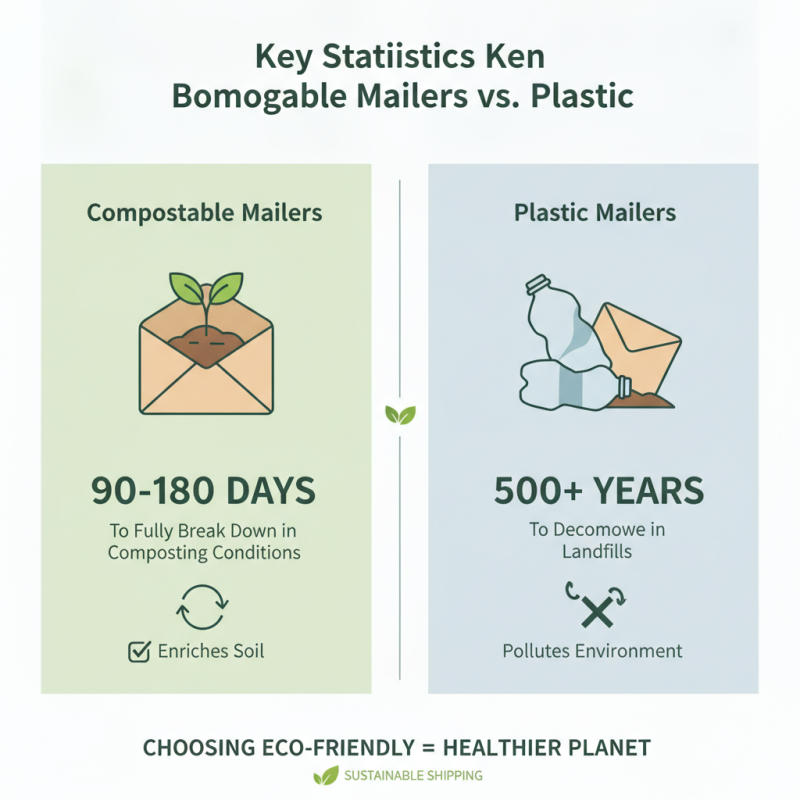
Key Statistics on Biodegradability of Compostable Mailers vs. Plastic Options
Compostable mailers are gaining traction in sustainable shipping. Research shows that they break down efficiently in composting environments. In contrast, traditional plastic mailers can take hundreds of years to decompose. This stark difference highlights the importance of choosing eco-friendly options for shipping.
According to recent statistics, over 90% of plastic waste ends up in landfills or oceans. In contrast, compostable mailers can fully degrade within 90 to 180 days. This rapid breakdown helps reduce the environmental burden. However, biodegradable options still face challenges in awareness and accessibility. Many consumers may not understand the distinct advantages of compostable materials.
Educating the public on these statistics is vital. Alternative shipping options should be encouraged, but the transition requires effort. Not every mailer on the market meets the same compostability standards. Shoppers must be diligent and informed, scrutinizing packaging to make better choices. The journey to sustainability is complex, but progress is being made, one mailer at a time.
Regulatory Trends Supporting the Adoption of Compostable Shipping Materials
The growing emphasis on sustainability is changing how businesses approach shipping materials. Recent regulatory trends support the shift to compostable shipping options. For example, in the EU, regulations aim to phase out single-use plastics by 2025. This push aligns with a larger goal to meet climate targets. By adopting compostable mailers, businesses can stay ahead of these regulations and appeal to eco-conscious consumers.
Research from the Biodegradable Products Institute suggests that over 60% of consumers prefer brands that use sustainable packaging. They view it not only as environmentally friendly but also as a brand value. However, challenges remain. The compostability of certain materials can depend on specific conditions. Many businesses lack infrastructure for proper composting. This might lead to confusion among consumers about the true environmental impact of these materials.
Regulatory support is crucial, yet the transition isn’t without issues. Education on compostable materials is necessary. Many businesses still informally use traditional plastics, fearing compostables may lead to higher costs. Balancing compliance and consumer preference is essential. A sustainable future in shipping requires careful planning and commitment to environmental stewardship.
Adoption of Compostable Mailers in Shipping (2020-2023)
This chart illustrates the increasing adoption rate of compostable mailers among shipping companies from 2020 to 2023, showcasing a trend towards sustainable shipping practices.
Consumer Preferences: The Shift Towards Sustainable Packaging Choices
As consumer awareness about environmental issues grows, preferences shift towards sustainable packaging options. Recent reports reveal that over 70% of consumers prefer shopping with brands that use eco-friendly materials. This trend indicates a disconnect between traditional packaging methods and emerging consumer values. Many people want their purchases to align with their sustainability goals.
The rise of compostable mailers reflects this shift. These mailers break down naturally, reducing landfill waste. A survey from a leading industry analyst shows that 65% of shoppers are willing to pay more for sustainable shipping options. Brands adopting compostable materials can enhance customer loyalty while contributing to a circular economy. However, challenges remain. Some consumers are unsure about the effectiveness of these materials, leading to skepticism.
Education plays a key role in addressing concerns about compostable mailers. Many customers need clear information on disposal methods and the environmental benefits of these products. Brands must invest in transparency and advocate for sustainable practices to build trust. As the demand for eco-conscious solutions increases, now is the time for companies to reflect on their packaging strategies. A balance between functionality and sustainability must be achieved.