Choosing the best chocolate packaging begins with the chocolate itself. A delicate filled praline needs different protection from a solid dark-chocolate bar. Heat, moisture, light, and rough handling can affect quality before a customer opens the pack. The right choice should protect flavor and texture while making storage, transport, and serving practical.
Food-packaging expert Dr. Aaron L. Brody’s work offers a useful principle, paraphrased here: “Protect the product through every handoff.” This is not a verbatim quotation. It captures a key decision: match materials and structure to the chocolate’s needs, rather than choosing a package for appearance alone. A foil wrap, paperboard carton, or sealed flexible pouch each serves a different purpose. A glossy finish may catch the eye, but it cannot compensate for poor protection.
Good chocolate packaging also communicates clearly. Consider the shelf setting, pack size, opening experience, and the details customers need to make an informed choice. Sustainability deserves careful thought, too. A recyclable-looking pack is not automatically recyclable everywhere, and mixed materials can complicate disposal. Check the actual material specifications and local collection guidance. There is no perfect package for every product. That can be inconvenient. It also makes testing worthwhile: inspect a sample after shipping, check the seal, and taste the chocolate after storage. This guide explores the practical choices, trade-offs, and questions that help brands select packaging with confidence.
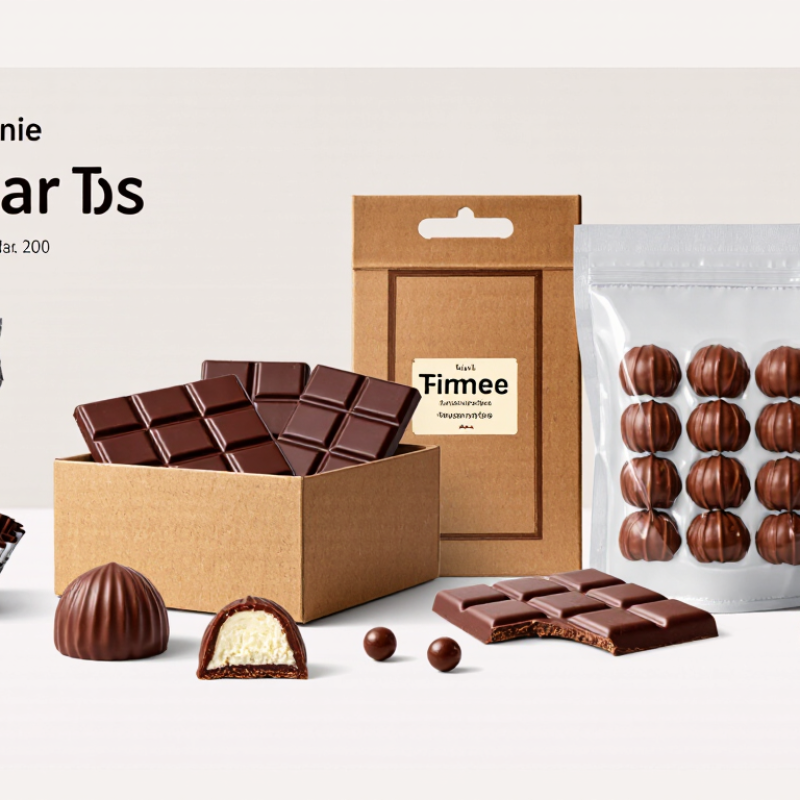
Start with the chocolate itself. A solid bar, soft ganache, and nut-filled praline face different risks. Heat can soften shapes, while moisture, oxygen, light, and strong odors can affect quality. Match the barrier to the recipe and expected shelf life. A thin inner wrap may suit a quick-turnover bar, but delicate fillings may need stronger protection. Check fit, too: excess space can let pieces knock together during delivery.
Packaging also needs to suit storage, transport, and the buyer’s use. Test samples in realistic conditions, including warm rooms and bumpy shipping routes. A glossy sample is not proof of performance; I’d want to inspect it after transit. Ensure product details and allergen information remain readable on the final pack.
The UNEP Food Waste Index Report 2024 estimates that 1.05 billion tonnes of food were wasted worldwide in 2022. It is not chocolate-specific, but it underlines why damage prevention and sensible pack sizing matter. McKinsey’s 2020 packaging survey found that more than 60% of respondents said they would pay more for sustainable packaging. Still, material claims should be checked against actual local disposal options.
Tips: Place a test bar in its pack, shake it gently, then inspect for scuffs, broken corners, and loose seals. Compare barrier performance, cost, and recyclability before choosing. Small details matter. I still find the trade-offs tricky.
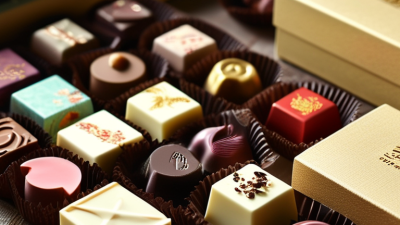
Chocolate packaging must limit moisture, oxygen, light, and temperature swings. Plain paper or paperboard looks appealing, but it offers little protection unless paired with a sealed inner layer. A foil laminate provides a strong barrier to moisture, oxygen, and light; however, folds, pinholes, and weak seals can undermine it. Metallized PET uses less metal and can offer useful protection. Representative supplier data for 12-µm PET show oxygen transmission near 100 cm³/m²/day, while metallized PET often falls around 1–5 cm³/m²/day. Water-vapor transmission can drop from roughly 15–20 to 0.5–2 g/m²/day. These indicative figures depend on test conditions and construction; ASTM F1927 and F1249 methods help make comparisons meaningful.
Tips: Ask for oxygen and water-vapor transmission rates, plus the test temperature and humidity. Check seal performance too. A superb film with a poor seal is still a poor package. Recyclable mono-material films may simplify disposal, but their barrier performance can differ from foil laminates. That trade-off deserves a real shelf-life test, not just a supplier claim.
AIMCAL technical guidance on metallized films explains why coating quality and handling affect barrier performance. For chocolate, test packs with the actual product: a crisp shell, oily filling, or warm warehouse can change the result. I would not choose on barrier numbers alone; appearance, opening feel, and damage during transport matter, and sometimes the “best” option is not obvious.
| Packaging material or structure | Oxygen barrier | Moisture barrier | Light barrier | Other practical strengths | Limitations and considerations | Common fit |
|---|---|---|---|---|---|---|
| Aluminum-foil laminate | Very high | Very high | Very high | Provides a strong barrier to oxygen, water vapor, light, and many external odors when the laminate and seals remain intact. | Foil can develop pinholes or cracks if repeatedly folded or flexed. Laminated layers can be difficult to separate for recycling. | Bars and other products needing strong protection during storage and distribution. |
| Metallized PET or PP film | Moderate to high | Moderate to high | High | Lightweight and opaque, with a reflective appearance and useful barrier performance in many flexible packs. | Barrier performance is generally more sensitive to flexing and film construction than that of an intact foil layer; it varies by coating and laminate design. | Flow wraps and pouches where a balance of appearance, weight, and barrier is required. |
| Uncoated polyethylene (PE) or polypropylene (PP) film | Low to moderate | Moderate to high | Low | Flexible, sealable, and commonly used as a protective or sealing layer. PE generally resists water vapor well. | Does not block light unless made opaque, and typically provides less oxygen protection than foil or high-barrier laminates. | Inner seals, overwraps, or short-to-moderate shelf-life applications where light and oxygen exposure are controlled. |
| Paperboard carton with a separate inner wrap | Depends on inner wrap | Depends on inner wrap | Moderate to high | Offers stiffness, printability, and protection from crushing and scuffing; the carton can shield the contents from light. | Paperboard alone is not a strong barrier to oxygen or water vapor. Protection depends on the inner wrap, closure, and storage conditions. | Gift boxes, multipacks, and products that need both a protective inner package and a rigid outer carton. |
| Glass container with a suitable closure | Very high | Very high | Low to very high | Glass itself is impermeable to gases and water vapor and offers good protection from handling damage when properly packed. | Clear glass provides little protection from light; the container is heavy and breakable. The closure can be the limiting point for barrier performance. | Filled chocolates, spreads, and specialty products; tinted glass or an outer carton can help limit light exposure. |
| Coated or barrier-treated paper packaging | Low to high | Low to high | Moderate to high | Can combine a paper-based appearance with improved resistance to moisture or grease, depending on its coating or barrier layer. | Performance varies widely by treatment, thickness, seams, and seals. Some coatings may affect sorting or recycling in local systems. | Wrappers and cartons where paper appearance is desired and the selected specification meets the required shelf-life target. |
How to read the ratings: Ratings are comparative, not guaranteed test values. Actual oxygen and water-vapor transmission depend on material grade, thickness, coatings, seals, package design, and test conditions. Choose the complete package structure based on the product’s shelf life, storage environment, and local recycling requirements.
Choosing chocolate packaging starts with the conditions it must handle. Chocolate can soften in warm surroundings, absorb nearby odors, and develop surface changes when temperatures fluctuate. A snug inner wrap helps limit air exposure, while a rigid carton can reduce crushing during storage and transport. Neither layer can compensate for prolonged heat.
Match the format to the journey. For a short trip to a shop, a paperboard box with a fitted insert may keep bars from shifting. For parcel delivery, test the box with realistic handling: corners get bumped, and gaps let pieces slide. Consider how many units stack together and whether the package stays closed in storage. A design that feels solid on a desk may fail in a crowded shipping box. Testing can be imperfect, but a small trial shipment often reveals weak points.
Tips: Check seals and closures by hand. Leave little room for movement. Keep chocolate away from heat and strong odors. Try the package before ordering in bulk; a neat sample is not proof of reliable transport.
Balancing Branding, Sustainability, and Regulatory Needs
Good chocolate packaging has to protect the product and communicate its quality. Chocolate can absorb odors and soften in heat, so test barrier performance, seals, and storage conditions before choosing a material. A paper sleeve may look simple and feel reassuring, but it cannot replace a suitable inner barrier. The right balance depends on the chocolate, distribution route, and shelf life.
Sustainability deserves more than a recycling symbol. The OECD’s 2022 Global Plastics Outlook reports that packaging made up 40% of plastic waste generated in 2019. Consider reducing unnecessary layers, choosing materials that local systems can actually process, and checking whether the full pack is easy to separate. A recyclable pack is not automatically a better choice if consumers cannot sort it correctly. The answer is rarely neat. Compare options with real collection conditions in mind.
Tips: Print only what is needed, and verify food-contact, allergen, quantity, and recycling-claim rules for each sales market. Ask suppliers for material specifications, then run a small trial: inspect the pack after transport and check aroma, texture, and seal integrity. Keep notes; one test may still miss seasonal heat or handling problems.
How to Choose the Best Chocolate Packaging?
A glossy sample can look perfect and still fail after a warm delivery van ride. Test packaging with the actual chocolate, not an empty mock-up. Check seal strength, drop resistance, and moisture and oxygen barriers. For molded bars, inspect corners for scuffs and broken edges after transport simulation. Record the test conditions; a result without temperature and humidity data is hard to repeat.
Supplier reliability matters just as much as material performance. Ask for batch traceability, written quality limits, and advance notice of material or process changes. Run a small production trial, then compare seals, dimensions, and print registration across several lots. The OECD’s Global Plastics Outlook (2022) reports that packaging generated about 40% of plastic waste in 2019. This is a broad plastics benchmark, not chocolate-specific, but it makes material selection worth checking alongside protection and shelf life. I would not trust one flawless sample alone. It may simply be a good day.
Tips: Request test reports and recent lot records. Confirm lead times in writing, then track actual delivery dates. Keep retained samples for comparison. A short trial can reveal what a sales sample cannot.