Global shipping leaves an environmental footprint that customers cannot always see. An oversized carton consumes extra material, warehouse space, and transport capacity. Small choices matter.
The OECD’s Global Plastics Outlook reported that only 9% of global plastic waste was recycled in 2019. Eurostat also recorded 186.5 kilograms of packaging waste per person in the European Union during 2022. These figures make packaging more than a branding decision. They connect directly with resource consumption, waste systems, and buyer trust. However, “green” does not automatically mean low-impact. A compostable mailer may fail in a region without industrial composting. Recycled paper may still travel thousands of kilometres before reaching a customer.
This guide examines ten eco friendly shipping supplies for global buyers, including recycled cartons, paper cushioning, molded pulp, reusable mailers, and certified paper tape. Each option should be judged by material content, durability, shipping weight, certifications, and realistic disposal routes. The Forest Stewardship Council, Global Recycled Standard, and widely accepted lifecycle assessment methods can support better comparisons. The United Nations Environment Programme’s 2023 plastics report suggested that plastic pollution could be reduced substantially through reuse, recycling, and redesigned products. That sounds promising, but implementation remains uneven.
There is no perfect shipping material. Not yet.
A supplier may publish impressive percentages while hiding unclear sourcing details. Buyers should ask for evidence, test packaging under real transport conditions, and measure damage rates. The best choice protects the product without shifting the waste problem somewhere else.
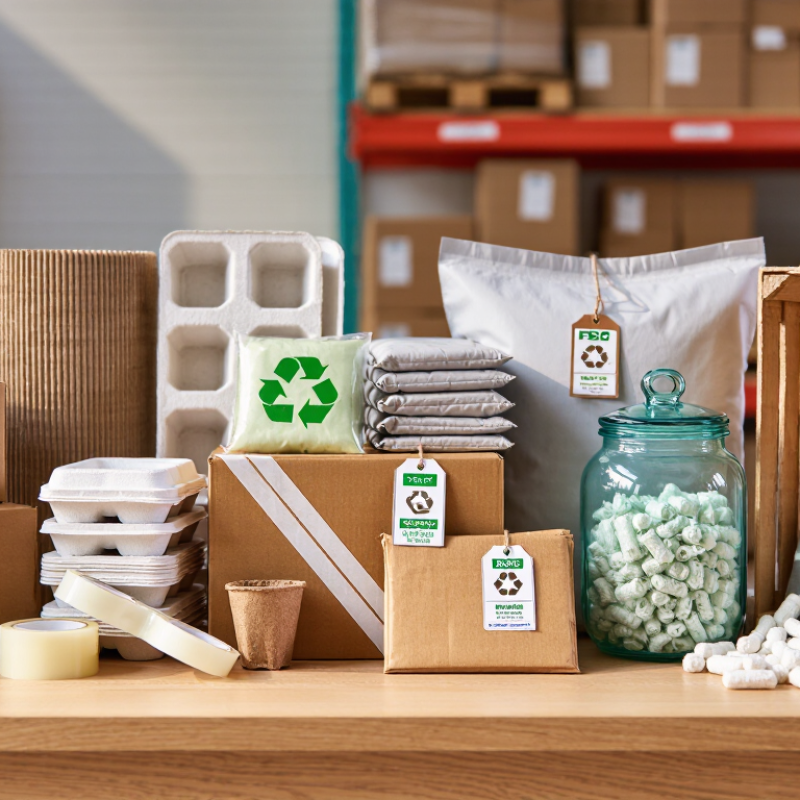
Eco-friendly shipping supplies reduce waste without sacrificing product protection. Their value depends on materials, design, and disposal conditions. Recycled cardboard is useful when it remains strong enough for transport. Paper mailers can replace plastic for many dry, lightweight products. However, “paper” does not always mean sustainable. Coatings, mixed materials, and heavy inks may complicate recycling. Check the packaging label and local recycling guidance before making environmental claims.
Tips: Choose the smallest protective box that fits the product. Add molded paper, shredded cardboard, or recycled paper padding. Avoid excessive void fill. Water-based inks are generally easier to manage than solvent-heavy alternatives. Ask suppliers about recycled content, recyclability, and responsible sourcing. Test packages with drop and compression checks. A weak box can create product damage, returns, and extra emissions.
From my packaging evaluations, right-sizing often makes the clearest difference. It lowers material use and helps trucks carry more parcels. Reusable shipping containers may work for regular business-to-business routes, but they need reliable return systems. Compostable materials sound appealing, yet they often require specific facilities. This point is easy to overlook. Sustainability also depends on distance, product weight, and local waste infrastructure. I would rather make a modest, verifiable claim than promise perfect environmental performance.

Choosing sustainable packaging for global shipping requires more than selecting recycled materials. The package must survive long routes, moisture, handling, and uneven storage conditions. Start with the product’s real needs. A ceramic item needs cushioning, while clothing may only need a durable paper mailer. Oversized boxes waste space and increase transport emissions.
Look for packaging made from recycled, recyclable, or responsibly sourced materials. Avoid unnecessary plastic layers and decorative inserts. However, “compostable” does not mean suitable everywhere. Some materials require industrial facilities that many destinations do not provide. Check local disposal guidance and carrier requirements before ordering large quantities. A small test shipment can reveal weak seams, crushed corners, or confusing customs labels.
Tips: Measure the product and inner protection carefully. Choose the smallest safe box. Test packages with gentle drops and light moisture exposure. Use paper tape only when it seals reliably. Keep packing instructions simple for warehouse staff. Ask suppliers for material details, recycled content, and disposal guidance. Claims should be specific and documented.
I would also review the packaging after customer feedback. A box that arrives intact but is difficult to recycle still has a sustainability problem. Sometimes a lighter package performs worse and causes replacement shipments. That trade-off deserves attention. Sustainable shipping is not perfect packaging; it is careful design, testing, and honest improvement.
| # | Shipping Supply | Typical Recycled or Renewable Content | Best Use for Global Shipping | Main Sustainability Benefit | End-of-Life Route | Important Selection Check |
|---|---|---|---|---|---|---|
| 1 | Recycled Corrugated Boxes | Often made with a substantial proportion of recycled paper; the exact percentage varies by grade and supplier. | Books, apparel, household goods, and products requiring rigid outer protection. | Widely recyclable, lightweight, stackable, and available in many strength grades. | Recycle when clean, dry, and accepted by the local paper-recycling system. | Choose the smallest suitable box and the correct edge-crush or burst-strength rating. |
| 2 | Molded Paper Pulp Inserts | Made primarily from molded paper fiber, commonly using recycled pulp or other plant-fiber feedstocks. | Protecting electronics, bottles, cosmetics, ceramics, and other fragile products. | Replaces petroleum-based foam while providing custom-fit cushioning and stacking efficiency. | Usually recyclable with paper if free from coatings, food residue, and heavy contamination. | Verify compression strength, moisture resistance, and compatibility with the product shape. |
| 3 | Kraft Paper Void Fill | Commonly produced from virgin kraft paper, recycled paper, or a blend of both. | Filling empty space and reducing movement inside cartons during long-distance transport. | Lightweight, easy to shape, and generally compatible with paper recycling systems. | Recycle with paper when clean and dry; reuse when the material remains undamaged. | Avoid excessive filling and select the minimum paper volume needed to prevent product movement. |
| 4 | Paper Cushion Wrap | Made from paper fibers; recycled content depends on the product specification. | Wrapping glassware, ceramics, books, small appliances, and surface-sensitive items. | Provides abrasion protection without combining paper with plastic bubble film. | Generally recyclable as paper when it is clean and not laminated. | Check tear resistance and cushioning performance for the planned transport distance and handling risk. |
| 5 | Water-Activated Paper Tape | Paper-based tape; some products use recycled fibers, while adhesive composition varies. | Sealing corrugated cartons for parcel, freight, and export shipments. | Can remain attached to corrugated boxes during recycling, reducing mixed-material separation. | Typically processed with corrugated paper when accepted by the local recycling facility. | Confirm adhesion in humid conditions and use a tape width suitable for carton weight. |
| 6 | Recycled Paper Mailers | Usually made from recycled paper fibers; the actual percentage should be confirmed in the product specification. | Documents, books, clothing, and flat non-fragile products. | Uses a single paper-based format and can reduce material compared with oversized boxes. | Recycle with paper if clean, dry, and free from plastic liners or mixed-material components. | Use only for items that do not need significant impact or moisture protection. |
| 7 | Reusable Textile Shipping Bags | May be made from recycled synthetic fibers, organic fibers, or conventional textiles; content varies by construction. | Closed-loop business deliveries, return programs, and repeated internal logistics. | Can replace multiple single-use packages when returned and reused enough times. | Reuse is preferred; textile recycling depends on local collection and fiber composition. | Plan reverse logistics and select durable closures, seams, and washable materials. |
| 8 | Compostable Fiber-Based Mailers | Made from paper or certified compostable bio-based materials, depending on the product design. | Lightweight, non-fragile goods where local composting infrastructure is available. | Can reduce reliance on conventional plastic packaging in suitable disposal systems. | Industrial composting may be required; compostability does not guarantee home compostability or marine degradation. | Check recognized compostability certification and destination-country collection conditions. |
| 9 | Recycled Plastic Mailers | Often manufactured with post-consumer or post-industrial recycled plastic; the percentage must be verified. | Water-resistant shipping of apparel, soft goods, and products that do not need rigid protection. | Low weight and compact volume can reduce transport impacts compared with heavier packaging formats. | Recycle only where flexible-film collection is available; otherwise follow local waste guidance. | Prefer mono-material construction and confirm local collection, since many curbside systems do not accept films. |
| 10 | Recycled Plastic Air Pillows | Some products contain recycled plastic, but the recycled percentage and film type differ by supplier. | Lightweight cushioning for products shipped in cartons with moderate impact risk. | Uses less material by volume than many loose-fill alternatives and adds very little shipping weight. | Reuse when possible; otherwise use flexible-film recycling only where locally available. | Use the minimum amount needed and keep films out of curbside recycling unless specifically accepted. |
Note: Recyclability, compostability, and recycled-content levels depend on the exact material, coatings, adhesives, contamination, and waste-management facilities available in the destination market. Always verify local disposal requirements before selecting packaging for international shipments.
International buyers need shipping supplies that protect goods without creating unnecessary waste. Ten practical choices are recycled corrugated boxes, right-sized cartons, molded-fiber inserts, recycled paper padding, kraft paper mailers, paper tape, water-activated tape, recycled-content envelopes, reusable fabric pouches, and compostable document sleeves. Choose the material according to distance, weather, and product weight. A thin mailer may suit clothing, but fragile ceramics need stronger structure and internal cushioning. From handling shipments, I have learned that “eco-friendly” does not always mean suitable. A damaged parcel creates waste twice.
Tips: Measure the product first. Leave little empty space. Use paper padding instead of plastic air pillows. Seal every box firmly. Add clear handling labels. Test one package before ordering hundreds. Check whether local recycling systems accept each material. This detail is often overlooked.
International shipping also requires readable addresses, commercial documents, and moisture-resistant packaging. Keep labels flat and visible. Avoid excessive ink and unnecessary layers. Reusable pouches can work well for repeat deliveries, although cleaning and return logistics may reduce their environmental benefit. Compostable materials sound appealing, but they may require specific industrial facilities. They are not automatically compostable at home. A sensible choice balances durability, recyclability, product safety, and real disposal conditions. No supply is perfect, and packaging decisions deserve review after customer feedback and transit results.
For global buyers, eco-friendly shipping supplies should be compared by cost, durability, and environmental impact—not appearance alone. Recycled corrugated boxes often offer a strong balance for books, tools, and household goods. Test box strength after stacking, especially in humid ports. A low-cost box can fail before delivery. That creates waste and replacement costs.
Paper cushioning, molded-fiber inserts, honeycomb wrap, paper tape, and recycled mailers serve different needs. Compare price per shipment, not price per unit. Measure how much material protects one product. Check recycled content, water resistance, and disposal guidance. Compostable mailers may sound ideal, but they need suitable industrial facilities. Many destinations lack them. Supplier test reports, material specifications, and transport data improve purchasing decisions. Still, environmental claims can be incomplete.
Tips: Order samples before bulk buying. Drop-test packed cartons from practical handling heights. Weigh each package, then compare freight charges. Ask suppliers for recycled-content percentages and certification details. Avoid oversized boxes; empty space increases filler use and shipping emissions. Reusable containers can work well for closed supply chains, but return transport may cancel the benefit. I once favored the lightest option, yet its weak seams caused damaged corners. The cheaper choice was not cheaper. Evaluate local recycling access, customer expectations, and climate conditions together. Cost changes by region. So does the real environmental impact.
Global buyers need packaging that survives long journeys without creating another waste problem. Choose recycled cardboard, molded paper cushioning, paper tape, and reusable fabric mailers where practical. The OECD’s Global Plastics Outlook estimates that 353 million tonnes of plastic waste were generated worldwide in 2019. Only 9% was ultimately recycled. That gap makes material reduction as important as material selection.
Use the smallest strong box available. Fill empty space with folded cardboard or certified paper padding, not loose plastic foam. Remove old labels and separate paper from plastic tape before recycling. Keep cardboard dry and clean. Moisture can send an otherwise recyclable box to landfill. I have seen buyers overpack fragile goods, then discover that “eco” filler still added unnecessary volume.
Disposal rules vary by region. Check the local authority’s recycling guidance before placing anything in a collection bin. Compostable mailers usually need a commercial composting facility, not a home compost pile or ordinary recycling stream. The U.S. Environmental Protection Agency reports that containers and packaging formed a major share of municipal solid waste, reinforcing the need for correct sorting. Reuse sturdy envelopes for returns or storage. If reuse fails, record the reason and adjust the next purchase. Sustainable shipping is practical, but imperfect.