How to Choose Biodegradable Packaging in 2026?

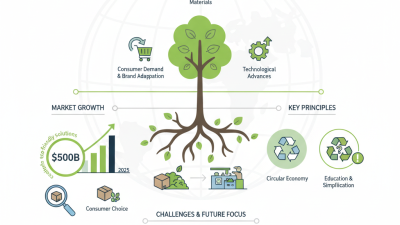
Choosing biodegradable packaging in 2026 will require more than reading a green claim. A soft mailer, molded fiber tray, or compostable film may look sustainable on a warehouse shelf. The real question is what happens after use. Will it be recycled, composted, or discarded? That answer depends on materials, local facilities, and consumer behavior. Small details matter. Moisture, heat, food residue, and transport distance can change the outcome. This guide examines performance beside environmental promises.

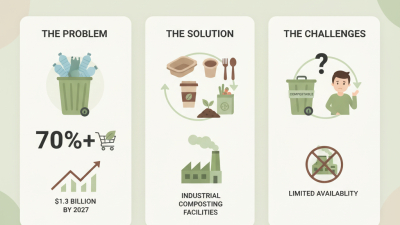
Dr. Ramani Narayan is a professor of chemical engineering at Michigan State University. He is also a recognized specialist in biobased polymers. His warning is direct: “Biodegradable plastics are not a solution to the litter problem.” This statement challenges easy marketing language. It reminds buyers that biodegradable packaging needs suitable disposal conditions. A package that breaks down in an industrial composting facility may remain unchanged in a backyard bin. Confusing these systems can create disappointment and contamination.

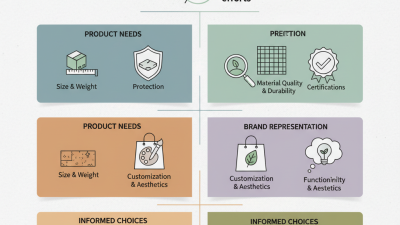
The following guide explains how to compare biodegradable packaging for real business needs. It considers barrier protection, shelf life, labeling, certifications, and end-of-life access. A coffee pouch may need oxygen resistance. A produce tray may need breathability and strength. A shipping mailer must survive rain, friction, and repeated handling. No material wins every test. That is the uncomfortable part. Some options perform well but cost more. Others reduce plastic use yet depend on facilities that many communities lack. Careful selection means checking evidence, asking suppliers specific questions, and testing samples before making a large purchase. Sustainability is not a perfect label. It is a chain of decisions.

How to Choose Biodegradable Packaging in 2026?

What Biodegradable Packaging Means in 2026

In 2026, biodegradable packaging means more than a package that “breaks down.” It means a material with a defined end-of-life pathway, verified conditions, and measurable environmental value. The OECD’s Global Plastics Outlook reports that plastic waste doubled from 2000 to 2019, while only 9% was recycled. That figure exposes a basic problem: disposal claims need evidence.

Biodegradable materials may require industrial composting, controlled heat, moisture, and specific microorganisms. They may not decompose in a home compost bin, landfill, or marine environment. EN 13432 and ASTM D6400 provide useful compostability criteria, but certification does not guarantee local collection. UNEP’s 2023 report states that plastic pollution could fall by 80% by 2040 through reuse, recycling, and material reduction. Therefore, the best choice may use less packaging, not simply replace plastic.

A practical review should check the full life cycle. Measure material weight, food-safety performance, shelf life, transport emissions, and local waste facilities. A compostable film that travels far for disposal may create an uncomfortable trade-off. The label can still mislead.

Tips: Ask suppliers for independent test reports, not vague claims. Confirm the exact disposal route near your customers. Compare packaging weight before comparing materials. Check whether inks, adhesives, and coatings meet the same requirements. Keep records, because sustainability claims need evidence.
Which Materials Qualify as Biodegradable Packaging

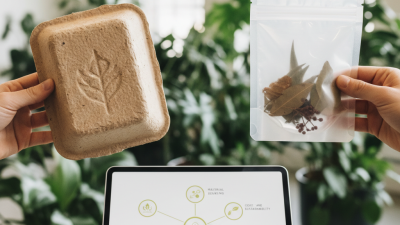
Biodegradable packaging should break down through natural biological activity, but the exact conditions matter. Materials such as untreated paper, cardboard, and molded fiber usually qualify when coatings and inks do not block decomposition. A greasy food container may look natural, yet its barrier layer can change the result. Check the full product specification, not only the word “biodegradable.”

Plant-based films require closer inspection. Cellulose film can biodegrade when it contains suitable additives and no persistent laminate. Starch-based packaging may decompose effectively in controlled facilities, but moisture can weaken it during storage. PLA and some PHA materials can also qualify, although PLA commonly needs industrial composting temperatures. Home composting is different. Always look for independent certification, disposal instructions, and the required time frame.

A practical evaluation includes three questions: What is the material? Where will it be discarded? Which test proves its claim? Reliable evidence should identify recognized testing methods, certification details, and composting conditions. Avoid packaging that offers only vague environmental language. I have found the disposal route is often overlooked during material selection. That weakens an otherwise thoughtful design. A package can be technically biodegradable yet fail to decompose in a dry landfill or ordinary household bin. This distinction is inconvenient, but necessary. When suppliers cannot explain coatings, adhesives, or test conditions, treat the claim cautiously.cuntegn

How to Choose Biodegradable Packaging in 2026?

Which materials qualify as biodegradable packaging under recognized industrial composting standards?

How to read this chart: A value of 1 means that the material category can qualify for industrially compostable packaging when the complete formulation—including coatings, inks, adhesives, and additives—is tested and certified. A value of 0 means conventional plastic in that category does not qualify.

Paper, molded fiber, starch-based materials, PLA, and PHA may qualify under controlled industrial composting conditions. PLA should not be assumed to biodegrade in home compost or natural environments. Certification should be checked against applicable requirements such as EN 13432, ASTM D6400, or ISO 17088.

Reference criteria commonly used by these standards include disintegration within approximately 12 weeks and substantial biodegradation within 180 days under controlled composting conditions. Actual performance depends on the finished packaging design and local waste infrastructure.

How to Match Packaging Materials to Product Requirements

Choosing biodegradable packaging in 2026 starts with the product, not the material label.

A dry biscuit needs moisture protection, while fresh produce needs airflow and controlled condensation. I have seen attractive fiber packs soften after one cold delivery. That failure began with an incomplete requirement list. Record product weight, oil content, temperature range, shelf life, and transport conditions before comparing materials. Small details matter.

For greasy foods, test coated paper or molded fiber with a verified barrier. For liquids, consider biodegradable films or rigid formats that withstand pressure and heat. A package for frozen goods must stay flexible below zero. Hot-fill products need seals that remain stable during filling and storage.

Test oxygen transmission, water vapor transmission, seal strength, compression, and drop resistance. Fit comes first.

Do not trust a laboratory sample alone. Real shipments expose vibration, stacking, and humidity changes.

Biodegradable does not automatically mean suitable for home composting or ordinary soil. Check the disposal route available to customers, and verify claims through current, independent certification. Ask whether inks, adhesives, and coatings match that process. Claims need evidence. If packaging performs well only under perfect conditions, say so.

I would rather accept a slightly heavier pack than risk food waste. Yet that choice needs measurement, because “greener” is not always lighter in impact. Re-test after design changes; one thinner layer can alter the whole package.

How to Verify Biodegradability Claims and Certifications

Choosing biodegradable packaging in 2026 requires more than reading a green label. A package may break down in an industrial composting facility, yet remain unchanged in soil or seawater. Ask for the exact material, disposal route, temperature, humidity, and test duration. “Biodegradable” is not a complete answer. Labels can mislead. In practical packaging reviews, vague claims often signal missing evidence, not poor material quality.

Check whether an independent laboratory tested the finished package, including inks, adhesives, coatings, and closures. Request the certificate number, issuing body, testing standard, report, and expiration date. Standards such as EN 13432 or ASTM D6400 may apply, depending on the market and disposal system. Confirm that the certificate covers your actual thickness, color, and production site. A resin certificate may not cover a printed pouch. Test conditions matter. Verify certification details through the issuing organization’s public database, rather than trusting a supplier’s logo alone.

Reliable evidence states conditions clearly, such as controlled composting at a specified temperature. It should define disintegration, biodegradation, and residue limits. Ask how customers should dispose of the package in your region. Local collection systems often determine the real environmental outcome. Keep certificates, batch records, invoices, and disposal instructions for internal review. I would test a small shipment before changing every package. That caution may feel slow, but it can prevent an attractive claim from becoming costly waste.

How to Compare Cost, Performance, and Environmental Impact

How to Choose Biodegradable Packaging in 2026?

How to Compare Cost, Performance, and Environmental Impact

Choosing biodegradable packaging requires more than checking the material label. Compare the cost per packed unit, not only the purchase price. A cheaper film may need thicker layers, special sealing equipment, or extra protective inserts. Test moisture resistance, heat tolerance, tear strength, and shelf life with your actual products. I have seen packaging perform well in a sample test but fail during cold storage and transport. That mistake can create waste and unexpected replacement costs.

Tips: Request supplier test reports and independent lifecycle data. Check whether local facilities accept the material. Industrially compostable packaging may not break down in a home compost bin. Compare transport distance, material weight, production energy, and realistic disposal routes. Ask for evidence, not broad environmental promises. Small details matter.

Environmental impact should be judged across the full lifecycle. A bio-based package can reduce fossil material use, yet intensive farming, processing, or long-distance shipping may reduce that benefit. Recycling may perform better in regions with reliable collection systems. Composting may work better for food-contaminated packaging, but only where suitable facilities exist. The best choice depends on your product, customers, and local infrastructure. I would document each assumption, because disposal behavior is often less predictable than planned.