2026 Top Eco Friendly Mailers for Global Buyers
Global ecommerce is making packaging choices more visible, measurable, and difficult to ignore. In 2026, buyers need more than attractive claims when selecting eco friendly mailers for international shipping. They need dependable protection, verified materials, and practical end-of-life options. A lightweight mailer may reduce transport emissions, yet it can fail when exposed to rain, sharp corners, or repeated handling. Small details matter.
This guide examines leading mailer types for global buyers, including recycled poly mailers, paper-based envelopes, compostable alternatives, and reusable shipping bags. Each option is assessed through real purchasing concerns: tear resistance, sealing strength, storage space, customization, minimum order quantities, and total landed cost. Supplier documentation also deserves careful review. Recycled content claims, compostability certifications, and factory quality controls should be checked rather than accepted at face value.
No material wins every test. A paper mailer can feel responsible but may need extra protection in wet climates. Compostable packaging may require specific industrial facilities that customers cannot access. Reusable designs can perform well, but only when return systems are realistic. These limitations are easy to overlook. They should not be.
The following overview helps procurement teams compare products with clearer evidence and fewer assumptions. It considers packaging performance, environmental trade-offs, supplier reliability, and regional disposal conditions. The strongest choice is not always the cheapest or the most visibly “green.” It is the mailer that performs responsibly across its full journey, from warehouse shelves to the customer’s hands.

What Makes a Mailer Eco-Friendly in 2026
2026 Top Eco Friendly Mailers for Global Buyers
What Makes a Mailer Eco-Friendly in 2026
An eco-friendly mailer needs more than a green appearance. Its material, production, use, and end-of-life route all matter. The OECD’s Global Plastics Outlook reported 353 million tonnes of plastic waste in 2019, with only 9% recycled. That figure makes material efficiency urgent. Recycled paper mailers can reduce virgin fibre use, while recycled plastic mailers may resist moisture and tearing during long-distance shipping. The better choice depends on product weight, climate, and local recovery systems.
Compostability is not automatically better. Many compostable mailers require controlled industrial facilities, which are unavailable in many regions. Buyers should check recognized standards, such as EN 13432 or ASTM D6400, and confirm local acceptance. The UNEP report Turning off the Tap states that plastic pollution could fall by 80% by 2040 through reuse, recycling, and reduced consumption. Still, claims need evidence. A thin mailer that breaks easily creates waste through replacement shipments. I would not call any option perfect.
Tips: Request recycled-content percentages, fibre sources, coating details, and disposal instructions. Test filled mailers in wet and cold conditions. Choose the smallest size that protects the product. Avoid unnecessary layers, metallic finishes, and hard-to-separate labels. Review supplier claims against independent certificates and lifecycle data. Small details matter.
2026 Top Eco-Friendly Mailers for Global Buyers — What Makes a Mailer Eco-Friendly in 2026
Packaging recyclability, verified recycled content, lightweight design, and compatibility with local collection systems are key indicators of a more sustainable mailer.
The chart compares EU-27 packaging recycling rates for two common mailer material groups in 2022: paper and cardboard at 81.5% and plastic at 42.1%. For global buyers, fiber-based mailers can offer stronger recovery potential where paper recycling infrastructure is available, while plastic or compostable options should be selected according to local collection and certification requirements.
Source: Eurostat, Packaging waste by packaging operation and material, 2022. Rates refer to packaging waste streams and may not represent the performance of every individual mailer.
Key Materials Used in Sustainable Mailer Packaging
2026 Top Eco Friendly Mailers for Global Buyers
Key Materials Used in Sustainable Mailer Packaging
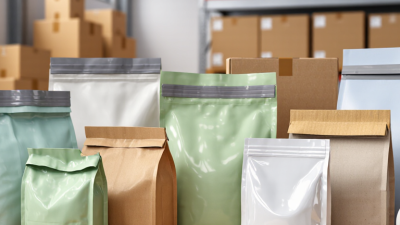
Material selection shapes a mailer’s environmental performance, strength, and disposal route. Recycled paper mailers offer a familiar, fiber-based option for clothing, books, and lightweight goods. Their rough texture can improve handling, but moisture resistance remains limited. Recycled polyethylene mailers provide better water protection and tear strength. They also use fewer raw materials when designed with thin, durable film. However, recycling depends on local collection systems, which differ widely between countries.
Compostable films usually contain plant-based polymers or other certified compostable materials. They may suit selected applications, but industrial composting access is not universal. A package marked “compostable” can still create confusion without clear disposal instructions. Water-based inks and solvent-free adhesives can reduce chemical concerns during production. Yet, every component matters. A recyclable film paired with incompatible labels may lose its practical advantage. The honest answer is less tidy.
Tips: Ask suppliers for material percentages, thickness data, and independent testing. Check whether the mailer works with your product’s weight and delivery climate. Request proof of recycled content and disposal claims. Small trial shipments can reveal weak seals, crushed corners, or ink rubbing. Perfect packaging does not exist. Better choices come from measured trade-offs, transparent documentation, and regular review.
Top Eco-Friendly Mailer Types for Global Buyers
For global buyers planning 2026 shipments, mailer choice should match product weight, climate, and return habits. Recycled paper mailers suit books, clothing, and dry goods. Their kraft surface prints clearly and feels familiar in hand. Paper cushioning can protect corners, but it weakens after rain.
Not always.
For damp routes, recycled-content plastic mailers may resist moisture with less material than a box. They still require accepted collection systems.
Compostable mailers are useful for selected low-moisture items and controlled disposal environments. They should show clear material and disposal instructions. “Compostable” does not mean they disappear in a backyard pile. Industrial processing may be required.
Reusable fabric mailers work well for subscription goods, rental programs, and frequent returns. They need a practical return path, or reuse becomes a promise without evidence. I would test seams, closures, and label adhesion after five delivery cycles.
For heavier products, corrugated paper mailers provide structure without a full carton. Ask suppliers for recycled fiber percentages, material weight, and independent test reports. Check dimensions too, since oversized packaging increases freight volume and emissions.
Verify destination-country collection rules before selecting any material. My own reviews sometimes favored the greenest option too quickly.
Performance matters too. Test before scaling.
How to Compare Mailer Protection, Cost, and Sustainability
2026 Top Eco Friendly Mailers for Global Buyers
How to Compare Mailer Protection, Cost, and Sustainability
A responsible mailer comparison starts with protection, not appearance. Test filled parcels for puncture, seam failure, compression, and moisture exposure. ASTM D4169 and ISTA 3A protocols can support repeatable transit testing. A thin mailer may cost less, but one damaged shipment can erase that saving through replacement freight and customer service. Measure the total landed cost, including packing labor, storage space, shipping weight, and return rates.
Sustainability needs evidence, not soft green language. The World Bank estimates that global municipal waste could reach 3.4 billion tonnes annually by 2050. Packaging choices therefore deserve careful scrutiny. The 2023 Global Buying Green Report found that 82% of consumers may pay more for sustainable packaging. Still, willingness does not justify any premium. Compare recycled content, production energy, material weight, and verified end-of-life options in each destination market.
Recyclable is not always recyclable locally.
For global buyers, a mono-material mailer may simplify sorting, while mixed layers can improve barrier performance. That trade-off needs testing. Life-cycle data should cover manufacturing, transport, use, and disposal. Ask suppliers for independent certifications, test records, recycled-content evidence, and regional recycling guidance. I have seen “compostable” packaging fail when industrial composting was unavailable. The better choice is sometimes less dramatic: lighter material, stronger seams, and fewer replacements. Sustainability claims still need challenging.
Global Compliance and Sourcing Tips for Eco-Friendly Mailers
2026 Top Eco Friendly Mailers for Global Buyers
Global Compliance and Sourcing Tips for Eco-Friendly Mailers
Eco-friendly mailers now require more than recycled content. Global buyers should review material composition, adhesive safety, ink type, and end-of-life claims. A mailer labeled “compostable” may need industrial composting facilities, which many regions lack. “Recyclable” can also depend on local collection systems. Compliance is never one certificate. Buyers should request test reports, supplier declarations, and traceable material records. Check packaging-waste duties, labeling rules, and extended producer responsibility requirements in each destination market.
Tips: Ask for samples in several sizes. Test seals after cold storage, humidity exposure, and rough handling. Confirm recycled-content percentages through credible documentation. Request current certificates, not screenshots from old projects. Review customs descriptions and packaging weights before shipment. Speak with local compliance advisers when rules remain unclear. Small print matters.
Reliable sourcing also depends on supplier behavior. Visit production sites when possible, or arrange an independent audit. Compare minimum order quantities, lead times, defect rates, and backup material sources. A low unit price can hide costly delays or weak seals. I have seen sourcing plans change after a simple moisture test. That is not failure; it is useful evidence. Buyers should record every test result and revise specifications honestly. Eco claims must match the actual product, shipment, and disposal conditions.