Nitrate Based Fertilizer can supply nitrogen in a form many crops absorb readily through their roots. This matters when young plants are building leaves, or when established crops need carefully timed nutrition. A grower checking a soil test, crop stage, and recent rainfall can make a more informed application decision. Small details count. A dry field, a sudden downpour, and a sandy soil can produce very different results.
The right choice depends on more than fast availability. Nitrate moves easily with water, so excessive rates or poorly timed applications may increase losses below the root zone. That can waste inputs and reduce nutrient-use efficiency. Follow local agronomic guidance, use soil or tissue testing where appropriate, and match the rate to realistic crop demand. Keep records of application dates and field conditions. They help reveal patterns over time.
Nitrate Based Fertilizer is not automatically the best option for every field. Crop species, soil texture, irrigation, weather, and other nutrient sources all influence performance. Even experienced growers can misjudge timing; a useful plan should leave room to reassess. This guide explores the practical advantages, limitations, and management considerations behind nitrate-based products, so readers can compare options with clearer expectations. A better decision starts with evidence, not a label alone.
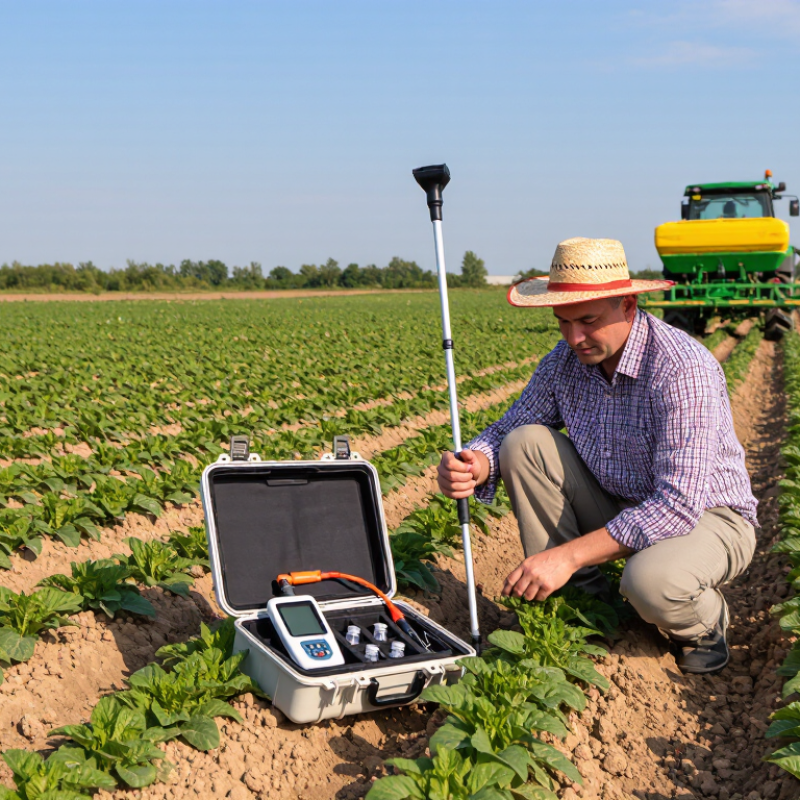
Why Choose Nitrate Based Fertilizer for Crops?
What Nitrate-Based Fertilizers Are and How They Work
Nitrate-based fertilizers deliver nitrogen in the nitrate form, NO₃⁻, which roots can absorb directly. Unlike ammonium, nitrate does not need microbial conversion before uptake. After entering the plant, it supports the production of amino acids, proteins, and chlorophyll. Calcium nitrate also supplies calcium; potassium nitrate supplies potassium. Useful, but not interchangeable.
FAO’s World Fertilizer Trends and Outlook to 2022 projected global consumption of about 200 million tonnes of nitrogen, phosphate, and potash nutrients in 2022. That figure shows the scale of fertilizer use, not the best choice for each field. Nitrate dissolves readily and moves with water through soil. On sandy ground, or after heavy irrigation, some can pass below crop roots. Timing matters. Split applications near active growth can help match supply to demand, while soil tests and irrigation records guide rates. The fit is not automatic: a fast-available nutrient can be wasted when roots are shallow or rainfall is poorly timed. FAO’s global estimate cannot tell a grower what one field needs.
Typical nitrogen (N) content by weight in selected nitrate-containing fertilizers. Nitrate is a form of nitrogen plants can absorb directly through their roots; some fertilizers, such as ammonium nitrate, supply nitrogen in both nitrate and ammonium forms.
Values show typical fertilizer grades and may vary by product. Potassium nitrate, calcium nitrate, and sodium nitrate are shown alongside ammonium nitrate for comparison; ammonium nitrate contains both nitrate-N and ammonium-N.
Nitrate nitrogen supports crop growth because roots can absorb it directly from soil water. Inside the plant, nitrogen helps form chlorophyll, amino acids, and proteins. These support leaf development and photosynthesis. With adequate supply, young plants can build a healthy canopy. Timing matters.
Nitrate moves readily with water, so heavy rain or excess irrigation can carry it below the root zone. Too little may limit growth; too much can encourage lush leaves without improving harvest quality. Crop needs vary with soil, weather, and growth stage. A pale leaf can signal nitrogen shortage, but it is not proof by itself. Soil testing helps avoid guesswork.
Tips: Match fertilizer rates to a soil test and crop guidance. Split applications when practical, especially on sandy soils or in rainy conditions. Check plants and soil after application. Field observations are useful, but they can be misleading; keep records and adjust carefully.
Nitrate-based fertilizers supply nitrogen in a form crop roots can absorb directly. This can support chlorophyll formation, leafy growth, and the proteins plants need to develop. When young maize or leafy vegetables show pale lower leaves, available nitrogen may be one factor, though symptoms alone cannot confirm a deficiency. Timing matters.
Applying nitrate near periods of rapid crop uptake can help plants use nutrients efficiently. A grower might apply a measured dose after emergence, then adjust later applications using crop condition and soil test results. Nitrate dissolves readily, so water carries it toward roots. Heavy rain or excess irrigation can also move it below the root zone. Keep rates measured.
Good nitrogen management can support yield and more even crop development, but it cannot guarantee either. Variety, sunlight, soil structure, water supply, and other nutrients still shape harvest results. Field notes can help: record application dates, rates, rainfall, and crop response across seasons. Those records are imperfect, but they may reveal useful patterns. A local agronomist can help interpret test results and set rates suited to the crop and field.
Nitrate-based fertilizers can suit crops that need nitrogen quickly during active growth. Leafy greens, cabbage, and other brassicas may benefit when available nitrogen limits early development. Maize, wheat, and potatoes can respond too, but the right rate depends on soil tests and yield goals. Fast uptake matters. Young roots can absorb nitrate directly, without waiting for soil microbes to convert another nitrogen form. This can be useful in cool spring soils, where microbial activity may be slower.
With irrigation, growers can apply nitrate in smaller doses that more closely match crop demand. Sandy soils need extra care, since heavy rain can carry nitrate below the root zone. Split applications may help. Not every field needs it. Check soil nitrate, crop stage, and other nutrients before choosing a fertilizer; nitrogen alone will not fix poor roots or low potassium. Pale leaves can signal nitrogen shortage, but water stress and disease may look similar. That judgment is imperfect. Field strips and follow-up soil or tissue tests can show whether the crop actually responded.
| Crop Group | Conditions That May Suit Nitrate-Based Fertilizer | Potential Benefit | Practical Management |
|---|---|---|---|
| Leafy vegetables (lettuce, spinach, kale) | Active vegetative growth when soil nitrogen is insufficient and plants can take up nutrients promptly. | Nitrate is immediately available for root uptake and can support leaf growth when nitrogen is needed. | Apply according to soil or crop testing and local recommendations. Avoid excessive nitrogen, since some leafy vegetables can accumulate nitrate in their leaves. |
| Brassica crops (cabbage, broccoli, cauliflower) | Periods of rapid growth, especially where a soil test or crop history indicates a need for readily available nitrogen. | Provides nitrogen in a form that does not need to be converted from ammonium before plant uptake. | Use a crop-specific rate and timing plan. Split applications may improve efficiency on leaching-prone soils. |
| Cereals (wheat, barley, maize) | When crops are actively growing and timely nitrogen availability is important, including during planned in-season applications. | Can supply nitrogen for crop growth without relying on the soil conversion of urea or ammonium into nitrate. | Match rates and timing to crop stage, soil nitrogen supply, and expected yield. Avoid applying before heavy rain or onto saturated soil. |
| Fruiting vegetables (tomatoes, peppers, cucumbers) | During periods of steady crop growth where irrigation and nutrient supply can be managed consistently. | Provides readily available nitrogen; some nitrate fertilizers also supply other nutrients, depending on the product formulation. | Check the fertilizer label for its full nutrient content. Balance nitrogen with the crop’s needs and other nutrients, and avoid excessive vegetative growth. |
| Root and tuber crops (potatoes, carrots, beets) | Where a measured nitrogen requirement exists and applications can be timed to avoid excess nitrogen late in the season. | Can provide available nitrogen during early or active growth. | Follow local crop guidance: too much or poorly timed nitrogen can delay maturity or reduce crop quality. Do not use nitrate fertilizer as a substitute for soil testing. |
| Fruit trees and other perennial crops | During an appropriate period of active growth when soil or plant testing indicates a nitrogen need. | Offers a rapidly available nitrogen source when a prompt nutrient response is appropriate. | Use locally recommended rates and timing. Consider rainfall, irrigation, root-zone conditions, and the risk of nitrate moving below the roots. |
Important: Nitrate is highly soluble and can move with water through soil, so the risk of leaching is greater on sandy soils, in wet conditions, or when applications exceed crop demand. Base fertilizer choices and rates on soil or crop testing, local guidance, and responsible nutrient-management practices.
Before spreading nitrate fertilizer, test the soil and review crop needs, expected yield, and nitrogen already supplied by manure or earlier applications. Base the rate on the nitrogen required, not simply the total weight of fertilizer. Follow the product label and local agronomic guidance.
Small doses matter.
Splitting applications can better match nitrogen supply to crop uptake, though timing depends on the crop and field conditions. Nitrate dissolves readily in water, so excess fertilizer can move below roots or into nearby waterways. Check the forecast. Avoid applying before heavy rain, on saturated ground, or when runoff is likely.
Calibrate the spreader, and check that granules reach the intended area rather than field edges or drainage channels. No schedule is perfect: unexpected rain or uneven crop growth may call for reassessment, not an automatic extra dose.
Wear the protective equipment specified on the label, and store fertilizer in a dry, secure place away from children, animals, and feed. Keep records. Note the application rate, date, weather, and crop response; those details can help improve the next decision. A quick field check after application is useful, but it cannot replace a soil test or careful planning.