What is a laser cutting machine and how does it work?
The laser cutting machine is revolutionizing the manufacturing sector. By harnessing high-powered lasers, these machines can cut various materials with precision. The global laser cutting market was valued at approximately $4.5 billion in 2022. It is projected to grow at a compound annual growth rate (CAGR) of 6.8% through 2030.
These machines are invaluable for industries ranging from automotive to aerospace. Their efficiency can reduce waste and increase production speed. However, the initial investment can be high, and some businesses may struggle to keep up with maintenance. It's essential to weigh these factors carefully.
Despite the advancements, users must navigate challenges like software complexities and operator training. The learning curve can be steep for new users. Understanding these nuances is critical. In the face of rapid technological change, the optimal use of a laser cutting machine requires ongoing reflection and adaptation.
Definition of a Laser Cutting Machine and Its Applications
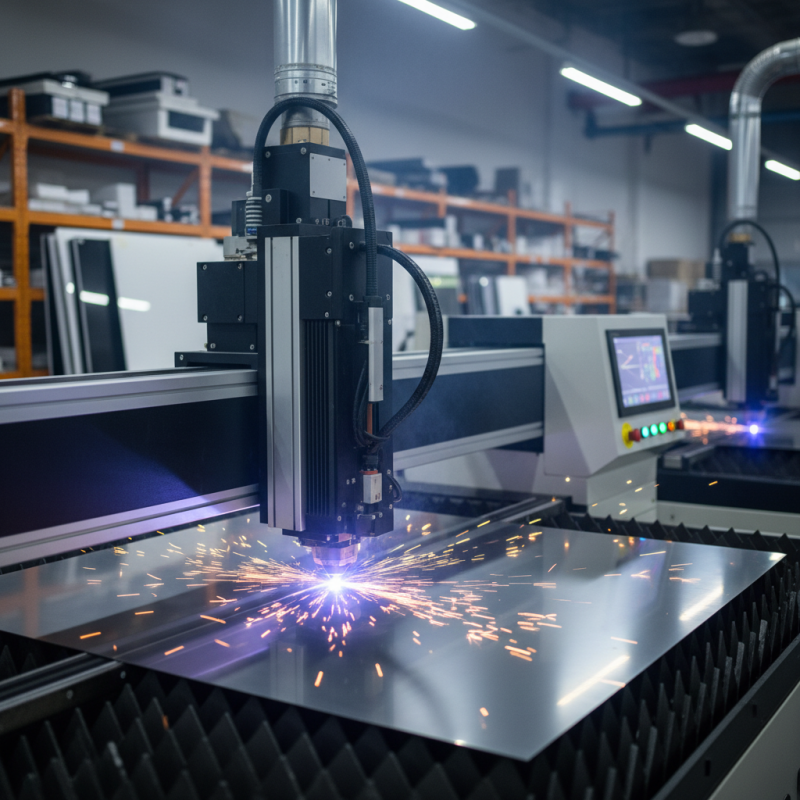
A laser cutting machine is an advanced tool that utilizes focused laser beams to cut materials. It offers precision and speed. These machines work by directing a high-powered laser onto the material surface. The laser melts or vaporizes the material, creating clean cuts. Laser cutting is increasingly popular across various industries due to its efficiency. The global laser cutting market was valued at approximately $4 billion in 2021 and is expected to grow steadily.
Applications of laser cutting machines span multiple sectors. They are used in manufacturing, automotive, aerospace, and even fashion industries. For instance, in the automotive sector, laser cutting is applied for cutting intricate parts from metals and plastics. Reports suggest that laser cutting improves production efficiency by 30% compared to traditional methods. The precision of laser cutting also reduces waste, making it an eco-friendly choice.
While the technology is impressive, it is not without challenges. High initial investment costs can be a barrier for small businesses. Additionally, training personnel to operate these machines requires time and resources. Sometimes, the need for specialized maintenance can lead to unforeseen delays. Companies should evaluate their needs and capabilities before adopting this technology.
Laser Cutting Machine Applications
Principles of Laser Cutting Technology and Mechanisms Involved
Laser cutting machines utilize focused beams of light to precisely cut materials. This advanced technology operates on the principle of directing a high-density laser beam onto the surface of the material. The energy from the laser is absorbed, causing the material to melt or vaporize. Typically, this process is assisted by a jet of gas that removes the molten material, leaving clean and precise edges.
One key mechanism involved is the optical system that manages the laser’s direction and focus. Mirrors and lenses are critical for maintaining the beam’s intensity. The machine's software controls the cutting path, allowing for intricate designs to be executed with ease.
Tips: Always ensure proper safety equipment is used when operating a laser cutter. The machine generates intense light and heat. Also, check the material compatibility with your laser cutter before starting; not all materials react well. Proper preparation can prevent costly mistakes.
Different materials require different laser settings. Aluminum may require different power and speed settings compared to wood. Experimentation is sometimes necessary. This trial-and-error process can lead to inefficiencies but ultimately helps fine-tune your approach for better results.
What is a Laser Cutting Machine and How Does it Work?
| Application | Material Type | Cutting Thickness | Laser Type | Precision |
| Sheet Metal Fabrication | Steel, Aluminum | Up to 20 mm | CO2 Laser | ± 0.1 mm |
| Acrylic Cutting | Acrylic | Up to 10 mm | Diode Laser | ± 0.05 mm |
| Wood Cutting | Plywood, MDF | Up to 15 mm | Fiber Laser | ± 0.1 mm |
| Fabric Cutting | Textile, Leather | Up to 5 mm | CO2 Laser | ± 0.2 mm |
| Industrial Marking | Metal, Plastic | N/A | Fiber Laser | ± 0.01 mm |
Components of a Laser Cutting Machine and Their Functions
A laser cutting machine is an advanced tool used in manufacturing and design. It employs a high-powered laser beam to cut through materials like metal, wood, and plastics. The machine comprises several key components that work together to execute precise cuts.
The laser source is the heart of the machine. It generates a powerful beam. The optics direct the beam onto the material. Focus lenses play a crucial role, converting the beam into a concentrated point. This point generates enough heat to melt or vaporize the material. The cutting head moves along specified paths, allowing intricate designs to come to life.
Another vital component is the control system. This system interprets design files, converting them into laser commands. Users must ensure the settings are correct before starting the process. Errors can lead to wasted materials and time. Finally, the assist gas helps remove the molten material from the cutting area. Adjusting the gas pressure can impact cut quality. Maintaining these components properly is essential for optimal performance and longevity. Each part must be regularly checked and calibrated to avoid unexpected failures.
Process Workflow: How a Laser Cutting Machine Operates
Laser cutting machines use focused laser beams to cut materials with precision. The process begins with design. A computer program creates a layout of the desired shape. This digital design directs the laser cutter to follow specific paths. The capabilities are impressive. It can cut through metals, plastics, wood, and more.
Once the design is ready, the workflow proceeds to setup. The material is placed on the cutting bed. Proper alignment is crucial for accurate cuts. The laser beam emits energy that heats and melts the material as it moves. Sometimes, unexpected results occur. A misalignment can lead to jagged edges or incomplete cuts.
The process also requires monitoring. Operators must check settings and ensure the material is suitable for laser cutting. Burning or excessive residue can arise, affecting the quality. Reflection on these outcomes helps improve future cuts. Despite advanced technology, human oversight is essential for excellence.
Advantages and Limitations of Using Laser Cutting Machines
Laser cutting machines are popular tools in various industries. They offer numerous advantages, such as precision and speed. A laser cutter can slice through materials like metal, wood, and plastic with remarkable accuracy. This makes it ideal for detailed designs. The process is efficient, producing clean edges with minimal waste. Users often appreciate the reduced need for secondary finishing.
However, there are limitations to consider. The initial cost of a laser cutting machine can be high. Maintenance is also necessary to keep the machines running smoothly. Certain materials, such as reflective metals, may pose challenges. It's essential to understand the machine's capabilities and limits. Furthermore, safety precautions should not be overlooked. Although they are powerful tools, improper use can lead to accidents.
Another point of reflection is the environmental impact. Laser cutting generates fumes and waste. Users must consider proper ventilation and waste disposal methods. It’s crucial to balance efficiency with sustainability. Addressing these aspects can lead to a more responsible approach to using laser technology.
