Glassine paper is easy to recognize: smooth, dense, and often slightly translucent. In packaging, that clean look is only part of its appeal. It can help protect products from dust, scuffs, and some grease, while keeping a package lightweight. It is not a universal moisture or oxygen barrier, though. The right choice depends on what the product needs and how it will be stored, handled, and shipped.
This guide explores 10 types of glassine paper used in packaging, from plain and colored grades to printed, coated, and adhesive-backed options. Each serves a different purpose. A bakery may need sheets that separate pastries without sticking; a stationery brand may prefer crisp sleeves that show the product through the paper. Small details matter. Caliper, transparency, strength, and converting requirements can all affect performance. A sample test is often more useful than a specification sheet alone.
Still, no paper is perfect. Glassine may crease, tear, or lose suitability when exposed to demanding conditions, so claims should be checked against the actual use. The sections ahead compare practical features and common applications, helping buyers ask clearer questions before choosing a grade. Some distinctions are subtle, and suppliers may use different product names. That deserves a second look.
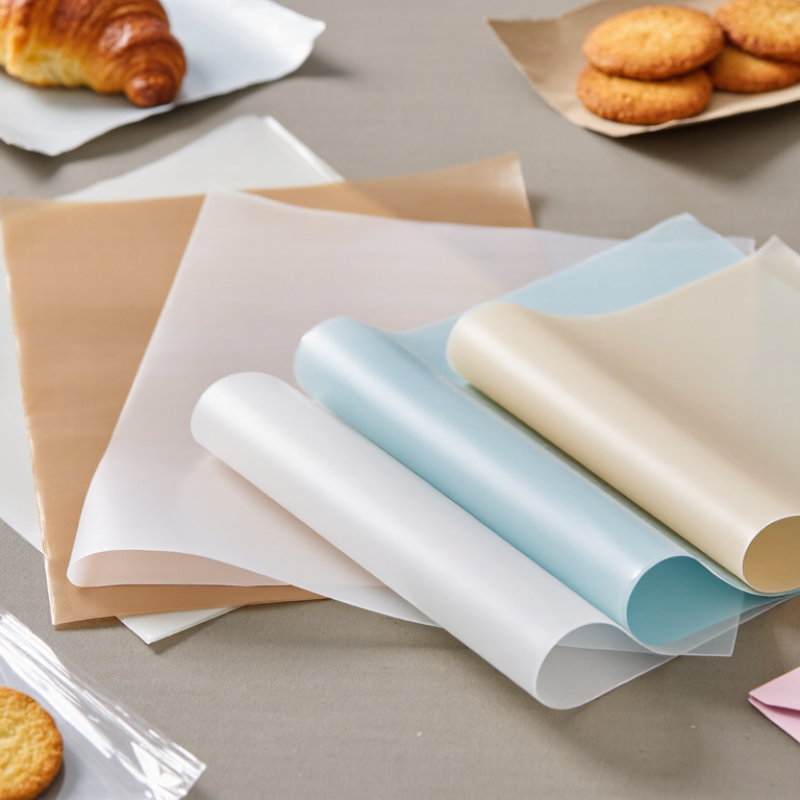
Glassine paper is a smooth, dense paper with a slight translucence. It is made mainly from refined wood pulp, not glass. Its clarity comes from how tightly the fibers are pressed together. Hold a sheet up to a window, and outlines may show through, though details often remain blurred. That matters. Glassine is often chosen when a package needs a clean presentation without a plastic-like shine.
To make it, pulp is mixed with water and formed into a thin, even sheet. The sheet is dried, then passed through highly polished rollers under pressure. This repeated rolling, called supercalendering, compresses the fibers and creates the paper’s characteristic smooth surface. No coating is required. The exact finish can vary with pulp quality, sheet thickness, and processing conditions, so two sheets labeled glassine may not behave exactly alike.
In packaging, its dense structure can help resist light grease and reduce dust transfer around small items. It is useful for wrapping, interleaving, and lining, but it is not waterproof. A damp storage area can soften the sheet, and sharp edges may puncture it. The term “glassine” can sound more absolute than the material deserves: test it with the actual product before relying on it as a barrier. A quick rub or fold test is helpful, but it cannot replace a real packaging trial.
| Type or Format | What It Is and How It Is Made | Typical Packaging Uses | Selection Notes |
|---|---|---|---|
| 1. Standard Glassine | Dense, smooth, translucent paper made by refining paper fibers and heavily calendering the sheet. It is typically supplied without an added coating. | Wrapping small goods, separating items, and packaging lightweight products where a clean, smooth paper surface is useful. | Offers some resistance to air, grease, and moisture compared with ordinary paper, but is not waterproof or a complete moisture barrier. |
| 2. White Glassine | Glassine made with a white or brightened appearance. Its smooth, translucent character comes from the glassine papermaking and calendering process. | Wrapping and interleaving products when a light-colored, tidy presentation is preferred. | Opacity and whiteness vary by grade. Check the required appearance and confirm suitability for the product being packed. |
| 3. Natural or Unbleached Glassine | Glassine supplied in a natural paper shade rather than a bright white finish. The exact color depends on the fiber furnish and manufacturing process. | Wrapping, separating, or presenting products where a natural-looking paper appearance is desired. | Color and translucency can vary between grades; request a sample when appearance is important. |
| 4. Colored Glassine | Glassine paper colored during papermaking or with a suitable surface color treatment, depending on the product specification. | Color-coded product wrapping, craft packaging, and presentation layers. | Confirm color consistency and whether the coloring method is suitable for the intended product and packaging conditions. |
| 5. Printed Glassine | Glassine printed with text, patterns, or graphics using a printing process selected for the paper and intended use. | Branded or decorative wraps, product identification, and printed bags or sheets. | Printing can affect recyclability and food-contact suitability. Confirm ink, print coverage, and applicable requirements with the supplier. |
| 6. Grease-Resistant Glassine | A glassine grade selected or engineered for improved resistance to oil and grease. Performance depends on the base paper and any treatments used. | Wrapping greasy items, separating oily products, and lining certain food or non-food packages. | Grease resistance does not automatically mean the paper is approved for direct food contact. Check test performance and regulatory suitability. |
| 7. Wet-Strength Glassine | Glassine made with wet-strength additives to help the sheet retain more strength when exposed to moisture than untreated paper. | Packaging applications where occasional damp handling or brief moisture exposure is expected. | Wet-strength paper is not waterproof. Confirm the required strength under the actual moisture and handling conditions. |
| 8. Silicone-Coated Glassine | Glassine coated with a silicone release layer, commonly used as a release liner for pressure-sensitive adhesives. | Release liners for adhesive labels, tapes, stickers, and some adhesive-backed products. | Release force and coating coverage are specified for the adhesive application; this grade is different from ordinary uncoated glassine. |
| 9. Glassine Sheets or Interleaves | Standard or specified glassine converted into flat sheets, slit rolls, or die-cut pieces for use between products. | Separating delicate surfaces, prints, photographs, small components, or stacked items during packing and storage. | Choose sheet size, thickness, and surface characteristics to suit the item. Glassine can crease or tear under rough handling. |
| 10. Glassine Bags and Envelopes | Converted glassine formed into bags or envelopes by folding and joining the paper. The format may be plain, printed, or specified for a particular product. | Packaging small parts, seeds, collectibles, craft materials, and lightweight retail items. | Check closure style, seam construction, dimensions, and required barrier performance. Glassine bags are generally not airtight or waterproof. |