Top Benefits of Biodegradable Packaging for a Sustainable Future?
In recent years, the conversation around biodegradable packaging has gained momentum. Increasing environmental concerns push us to seek better solutions. Traditional packaging materials often contribute to pollution and waste. This creates a pressing need for alternatives that align with sustainability goals.
Biodegradable packaging stands out as a promising option. It breaks down naturally, reducing landfill contributions. Many businesses now embrace this material, realizing its potential for a cleaner planet. However, not all biodegradable options are created equal. Some still leave residues or require specific conditions to decompose effectively.
While the benefits are evident, challenges remain. Consumer awareness about biodegradable packaging varies greatly. Education on proper disposal methods is crucial. Addressing these gaps will help maximize the positive effects of biodegradable materials. Ultimately, the path to a sustainable future is not straightforward. But by opening up a dialogue about biodegradable packaging, we can explore solutions together.
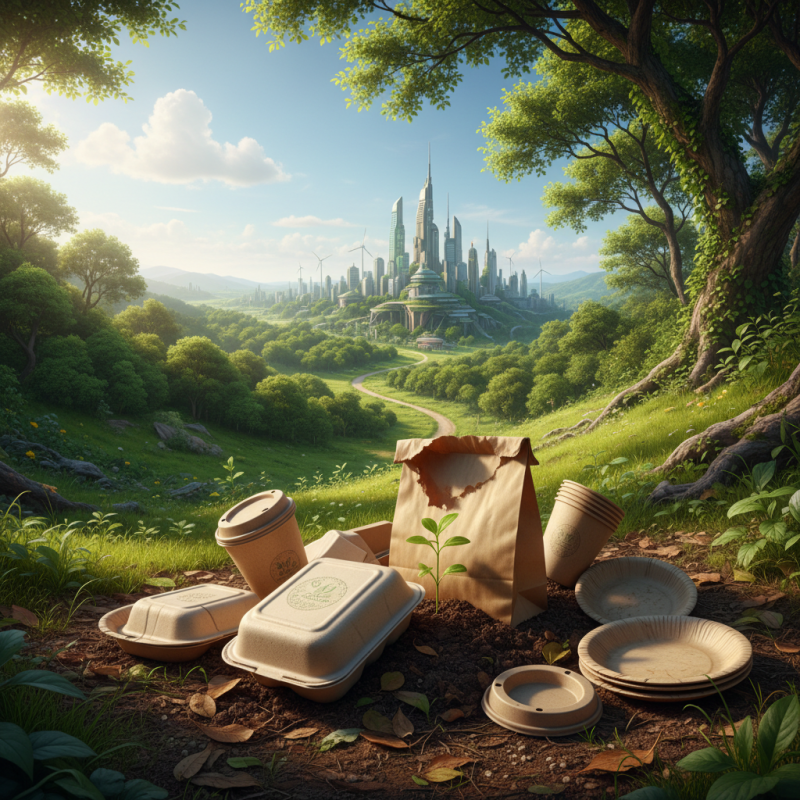
Top Benefits of Biodegradable Packaging for a Sustainable Future
Biodegradable packaging is becoming essential for a sustainable future. It offers numerous benefits that can help reduce waste and environmental impacts. Unlike traditional plastics, biodegradable materials break down naturally, returning to the earth. This process reduces landfill bulk and minimizes pollution.
One significant advantage is the reduction of plastic waste. Single-use plastics contribute to ocean pollution. Biodegradable options can decompose, thus lowering the risk of harming marine life. Imagine a world where packaging doesn’t linger for hundreds of years. This transition is vital for future generations.
Tips: Look for certifications on packaging products. These can indicate sustainable practices. Assess your consumption habits. Small changes in daily choices can have a big impact. Explore local options for biodegradable materials. Sourcing locally reduces transportation emissions and supports your community’s economy.
Switching to biodegradable packaging can also enhance brand reputation. Consumers are more eco-conscious and prefer businesses with sustainable practices. However, the transition may require time and effort. Some biodegradable materials may not break down as expected in certain environments. It’s crucial to understand local waste management practices.
Understanding Biodegradable Packaging: Definition and Types in Industry
Biodegradable packaging refers to materials that can decompose naturally over time. This process is facilitated by microorganisms that break down the materials into organic matter. Common types include plant-based plastics, compostable films, and molded fiber. Each type offers unique qualities that support sustainable practices in various industries.
When considering biodegradable options, it’s essential to understand their limitations. Not all biodegradable materials break down effectively in any environment. For instance, some require industrial composting facilities to decompose. This knowledge is crucial for businesses aiming to adopt eco-friendly practices.
Tip: Always check disposal guidelines for specific products. This helps ensure that they are processed correctly and promotes effective biodegradation.
Incorporating biodegradable packaging can also pose challenges. It may not always be as durable as conventional options. For example, moisture sensitivity can be a concern in packaging. Businesses must weigh this alongside environmental impacts.
Tip: Test biodegradable materials before full-scale implementation. Evaluate their performance in real-world conditions to avoid unforeseen issues.
Environmental Impact: Reducing Plastic Waste and Carbon Footprint
Biodegradable packaging plays a crucial role in reducing plastic waste. According to the World Economic Forum, over 300 million tons of plastic are produced annually. A significant portion ends up in oceans and landfills, harming wildlife and ecosystems. By opting for biodegradable options, we can mitigate this growing crisis. These materials break down naturally, unlike traditional plastics that linger for centuries.
The carbon footprint associated with conventional packaging is substantial. Research from the Ellen MacArthur Foundation indicates that shifting to biodegradable solutions could cut greenhouse gas emissions by up to 70%. This shift is essential for a sustainable future. However, adoption faces challenges. Not all consumers are aware of biodegradable alternatives. Education is crucial to drive change.
Moreover, the production of biodegradable materials often requires resources. Some processes still emit carbon and consume water. Balancing these aspects is vital. It's not just about switching materials; it's about improving the entire lifecycle. Attention must be given to sourcing, production, and end-of-life processes. Misconceptions around biodegradability may lead to improper disposal, limiting its true environmental benefits. So, while biodegradable packaging offers potential, real progress depends on informed choices and sustainable practices.
Top Benefits of Biodegradable Packaging for a Sustainable Future
| Benefit |
Description |
Environmental Impact |
Long-term Sustainability |
| Reduction of Plastic Waste |
Biodegradable packaging decomposes naturally, minimizing landfill accumulation. |
Significantly decreases the amount of plastic that enters oceans and ecosystems. |
Promotes a circular economy by integrating natural materials. |
| Lower Carbon Footprint |
Production of biodegradable materials often requires less energy than plastics. |
Reduces greenhouse gas emissions associated with production and disposal. |
Supports climate change mitigation efforts through reduced emissions. |
| Enhanced Soil Health |
Decomposing materials can enrich soil rather than pollute it. |
Improves water retention and reduces erosion in agricultural settings. |
Encourages sustainable farming practices and biodiversity. |
| Consumer Preference |
Growing consumer demand for eco-friendly products boosts market appeal. |
Encourages responsible consumption and producer accountability. |
Fosters innovation in sustainable product development. |
Economic Advantages: Cost-Effectiveness and Market Growth Potential
Biodegradable packaging offers significant economic advantages, making it a smart choice for businesses today. These materials often reduce disposal costs for companies. When waste management expenses drop, profits can rise. Moreover, as consumers grow more eco-conscious, demand for sustainable products is increasing. Businesses that adopt biodegradable packaging can tap into this expanding market.
Tips for transitioning to biodegradable packaging include evaluating current packaging costs. Compare them with biodegradable options. Sometimes, initial costs may seem higher, but long-term savings in waste disposal can balance expenses. Training staff about new materials can also be beneficial. It ensures everyone understands the benefits and handling of biodegradable options.
It's important to acknowledge the challenges. Not all biodegradable packaging options are created equal. Some may not decompose as effectively in various environments. Conduct thorough research before choosing a supplier. Experimenting with different materials can reveal advantages and drawbacks. This trial-and-error process is crucial for achieving both sustainability and cost-effectiveness.
Consumer Preferences: Increasing Demand for Eco-Friendly Packaging Solutions
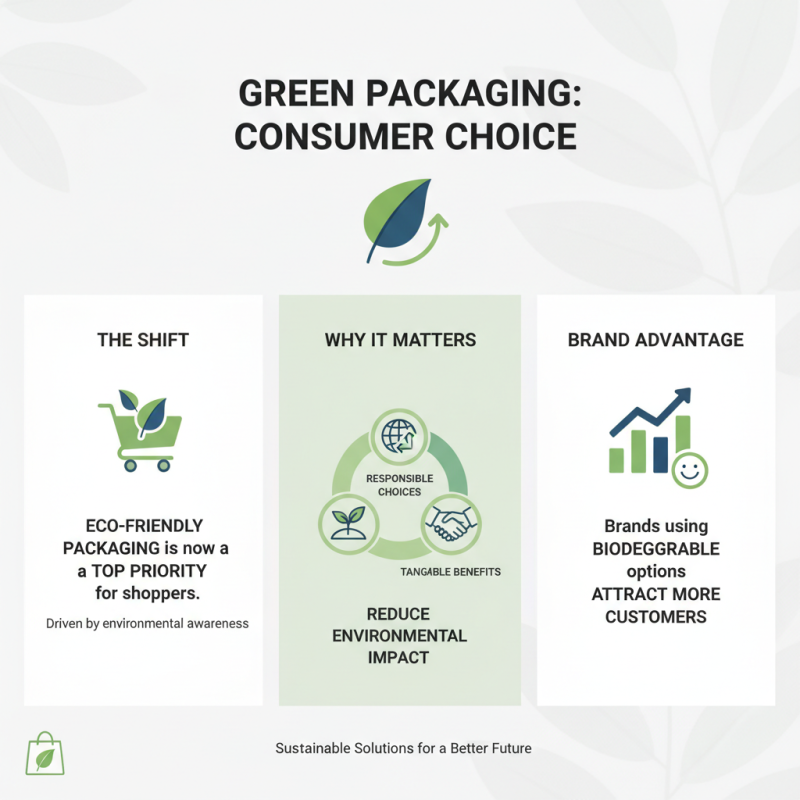
Consumer preferences are shifting towards eco-friendly packaging solutions. Many shoppers now prioritize sustainable options when making purchasing decisions. This trend reflects a growing awareness of environmental issues and a desire to make responsible choices. Brands that embrace biodegradable packaging often attract more customers. Today, consumers are looking for tangible benefits from the products they buy.
Using biodegradable materials is one way to meet consumer demands. These materials break down naturally and reduce landfill waste. However, not all biodegradable options perform equally. Some may take longer to degrade, which can frustrate consumers. It’s essential for brands to provide clear information about their packaging's environmental impact.
**Tip: Always check for certifications** on biodegradable products. This assures you of their true eco-friendliness. Transparent communication helps build trust with customers. Additionally, consider integrating visuals in packaging design. Eye-catching designs can highlight the sustainable nature of the product. This, in turn, makes it more appealing on the shelves.
The journey to sustainability is ongoing. Consumers need to actively seek out brands that prioritize these values. The choice of packaging can significantly impact the environment. Groups and individuals must inspire each other to demand change from businesses.
Conclusion
Biodegradable packaging is gaining significant attention as a sustainable alternative to traditional materials, driven by its potential to minimize environmental impact. This innovative approach not only helps reduce plastic waste and lowers the carbon footprint associated with packaging, but it also aligns with increasing consumer preferences for eco-friendly products. As awareness around the importance of sustainability grows, the demand for biodegradable packaging solutions continues to rise.
In addition to environmental benefits, biodegradable packaging offers economic advantages by presenting cost-effective alternatives and promising market growth potential. Governments worldwide are also recognizing this shift, implementing regulatory trends that support the adoption of biodegradable options. As businesses adapt to these changes, biodegradable packaging emerges as a crucial component for a sustainable future, reflecting a collective commitment to protecting our planet.