7 Tips for Sourcing Coin Envelopes in Bulk

Buying coin envelopes in bulk looks simple until a shipment arrives with weak seams, uneven flaps, or the wrong dimensions. Small mistakes become expensive when thousands of envelopes fill a warehouse. This guide presents seven practical tips for evaluating suppliers, comparing specifications, and reducing avoidable purchasing risks.

Packaging consultant Adam Peek says, “Reliable sourcing starts with clear specifications, not the lowest quote.” That principle matters when reviewing paper weight, envelope size, closure style, print quality, and moisture resistance. A sample may feel sturdy in your hand, yet perform poorly after stacking, transport, or repeated handling. Test it properly.

Look closely.

Experienced buyers should request pre-production samples, confirm minimum order quantities, and calculate the landed cost. Freight, tooling, customs clearance, storage, and damaged units can change the final price. Supplier communication also deserves attention. Slow replies may signal future delays, although this is not always true. People and factories have difficult weeks.

A dependable sourcing process includes written quality standards, inspection points, realistic lead times, and a backup supplier. Ask how rejected products are handled. Ask whether materials remain consistent between production runs. Sustainability deserves practical review too. Recycled paper sounds attractive, but its strength and surface finish must match the intended use.

No sourcing plan is perfect. Even careful buyers can overlook carton compression or seasonal capacity limits. The goal is not flawless prediction. It is disciplined preparation, transparent comparison, and steady improvement when results fall short.

7 Tips for Sourcing Coin Envelopes in Bulk

Define Your Coin Envelope Requirements and Order Volume

Before requesting bulk quotes, define exactly what your coin envelopes must do. Measure the coin diameter, thickness, and required clearance. A 2-millimeter allowance can prevent difficult insertion and torn seams. Specify the envelope size, paper weight, seal type, color, and printing requirements. If staff will handle thousands daily, choose a closure that opens smoothly without damaging the contents.

Order volume should reflect real usage, not an optimistic guess. Review your monthly consumption, seasonal peaks, and expected storage space. Add a practical buffer of 5 to 10 percent for damaged pieces or sudden demand. For example, using 8,000 envelopes monthly may justify a 50,000-unit order, but only if storage remains dry and accessible. Ask suppliers about minimum order quantities, production lead times, packaging units, and delivery schedules.

I once approved a large quantity before checking carton dimensions. The envelopes were suitable, but the cartons occupied twice the planned shelf space. That mistake changed my purchasing checklist. Request samples before confirming production. Test fit, seal strength, print clarity, and opening speed with actual users. Record the results and keep an approved sample for later comparisons. A small tolerance issue may seem harmless during sampling, yet become expensive across a large shipment.

Compare Materials, Sizes, Closures, and Customization Options

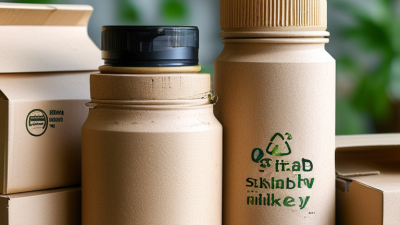
Tip 1: Compare materials before requesting a large quote. Kraft paper feels sturdy and gives coin envelopes a natural appearance. Recycled stock can support sustainability goals, but its texture may vary. Thin paper may split around sharp coin edges. Ask for paper weight, surface finish, and sample photos. A physical sample can reveal weak seams. I once overlooked moisture resistance; that was avoidable.

Tip 2: Match envelope size to the coin set. Measure the coins together, including protective sleeves or labels. A snug fit reduces movement during storage and shipping. Too much space can create messy stacks and damaged corners. Request several sample sizes before approving bulk production. Small differences matter.

Tip 3: Examine the closure carefully. Gummed flaps create a traditional seal, while self-adhesive strips can reduce packing labor. Some adhesives weaken in humid storage areas. Test opening strength, resealing needs, and flap alignment. A closure that looks fine may fail during handling.

Tip 4: Treat customization as a production decision, not decoration. Confirm printing colors, logo placement, barcode clarity, and ink compatibility. Ask whether custom dimensions affect minimum order quantities or lead times. Color proofs may look different from finished paper, especially on recycled stock. Leave space for batch codes or handwritten notes. Keep the design practical. Over-customization can increase cost without improving daily use. Recheck every detail before approval, because small errors become expensive in bulk.

Evaluate Supplier Reliability, Product Quality, and Certifications

Bulk coin-envelope sourcing is less about the lowest quote and more about evidence. Ask each supplier for seven checks: company history, production capacity, sample consistency, inspection records, delivery performance, certification scope, and complaint handling. Request three recent lots, not one polished sample. Compare paper weight, fold accuracy, seam strength, gum adhesion, and envelope dimensions. A digital caliper can reveal small variations that become costly during machine filling.

Reliability needs measurable proof. Review order-fill rates, average lead times, backup paper sources, and lot-traceability procedures. Ask for a corrective-action report from a previous quality issue. The answer may be uncomfortable, but silence is worse. The ISO Survey 2022 recorded more than 1.2 million valid ISO 9001 certificates worldwide, yet certification alone does not guarantee consistent envelopes. Confirm the certificate holder, site address, audit date, and covered processes.

For paper claims, check whether FSC or PEFC certification applies to the actual material and product scope. FSC’s 2023 Facts & Figures report recorded more than 50,000 active chain-of-custody certificates worldwide. That scale supports traceability, but it does not replace physical testing. Consider ISO 14001 evidence for environmental management, while avoiding vague “green” claims. Test samples after heat, humidity, stacking, and transport simulation. In practice, suppliers often perform well in dry rooms and poorly in warehouse moisture. Build a small pilot order into the contract, with clear acceptance limits and documented inspection results.

7 Tips for Sourcing Coin Envelopes in Bulk - Evaluate Supplier Reliability, Product Quality, and Certifications

Tip Evaluation Dimension What to Check Practical Benchmark Verification Method Warning Sign
1 Confirm production capacity and lead time Review monthly capacity, order history, standard production time, and peak-season planning for bulk coin envelopes. The supplier provides a written production schedule, identifies capacity constraints, and gives a realistic lead-time range rather than an unsupported promise. Request a capacity statement, recent anonymized delivery records, and a sample purchase-order timeline. Unclear capacity, inconsistent dates, or refusal to provide a documented schedule.
2 Assess paper and construction quality Check paper weight, dimensions, flap shape, fold accuracy, adhesive coverage, seam strength, and resistance to tearing during normal handling. The approved sample matches the agreed material specification and remains flat, securely closed, and dimensionally consistent after packing and handling tests. Use a calibrated scale, ruler, GSM tester if available, visual inspection, opening-and-closing trials, and a written pre-production sample approval. Visible glue marks, uneven folds, loose seams, paper cracking, or measurements that vary from the specification.
3 Set measurable quality-acceptance criteria Define acceptable limits for size, print alignment, adhesive performance, surface defects, count accuracy, packaging damage, and mixed or missing units. The purchase specification contains measurable tolerances and uses a documented sampling plan, such as an agreed AQL-based inspection method. Attach a quality checklist to the purchase order and arrange pre-shipment inspection by qualified internal staff or an independent inspection service. Quality is described only as “good,” with no tolerances, inspection process, or corrective-action procedure.
4 Verify relevant certifications and claims Check whether claims about responsibly sourced paper, recycled content, chemical compliance, or quality management apply to the actual factory and product. Certification scope, certificate number, validity period, facility address, and product coverage are clearly documented. FSC chain-of-custody certification may be relevant for responsibly sourced paper; ISO 9001 may support quality-management evaluation. Validate certificates through the issuing certification body or official certification database, and request a declaration for applicable material and chemical requirements such as REACH. Expired certificates, mismatched legal entities, missing scope information, or unsupported environmental wording.
5 Test packaging, counting, and shipment protection Evaluate inner packaging, carton strength, moisture protection, carton labeling, unit count, palletization, and protection against bending or crushing. Carton labels show product code, quantity, lot or batch reference, and handling information; delivered quantities reconcile with the packing list. Approve a packaging drawing, perform carton inspection, verify random carton counts, and review photos before dispatch. No batch traceability, weak cartons, unexplained quantity differences, or packaging that allows moisture or edge damage.
6 Compare total landed cost, not only unit price Include tooling, printing plates, samples, packaging, freight, duties, inspection, payment terms, currency effects, and potential defect or rework costs. Each quotation uses the same quantity, size, paper specification, closure type, packaging standard, delivery term, and payment assumptions. Build a landed-cost worksheet and request a line-item quotation with validity period and clear Incoterms® 2020 reference where applicable. Unusually low pricing with omitted freight, quality-control, packaging, or compliance costs.
7 Evaluate communication and corrective-action capability Assess response quality, technical understanding, sample revisions, document control, complaint handling, and willingness to investigate defects. The supplier identifies a responsible contact, confirms specifications in writing, reports deviations promptly, and provides a corrective-action response with root cause and preventive measures. Run a small pilot order, record response times, review nonconformity reports, and include replacement or credit terms in the contract. Slow or contradictory replies, undocumented changes, blame without investigation, or no remedy for confirmed defects.

Note: Certification requirements depend on the destination market, paper composition, printing process, and intended use. Always verify current certificate scope and applicable legal requirements before placing a bulk order.

Request Samples and Confirm Pricing, Lead Times, and Shipping Terms

When sourcing coin envelopes in bulk, begin with a physical sample. Screen weight, paper texture, flap strength, and print alignment under normal handling. A sample can reveal problems that a digital proof hides. Check whether coins slide easily into the envelope without tearing the side seams. Measure the finished size, too. Small differences can affect storage and packing efficiency.

Tip: Request two or three samples from the same production specification. Ask suppliers to identify paper grade, adhesive type, envelope dimensions, and packing quantity. I once approved a sample before testing the flap repeatedly. That was a mistake. The adhesive weakened after several openings. Real handling tests are more useful than attractive photographs.

Confirm pricing in writing before placing a bulk order. Request unit pricing at several quantities, tooling charges, sample fees, and any setup costs. Ask whether quoted prices include inner cartons or pallet packing. Then verify lead times from artwork approval to production completion. A supplier may quote ten days, excluding weekends, inspection, or material preparation. That detail matters.

Tip: Clarify shipping terms, dispatch location, carton dimensions, and estimated freight separately. Request the shipment weight and carton count before payment. Compare the complete landed cost, not only the envelope price. Build a small time buffer. Production schedules can change, and I have learned that optimistic planning creates unnecessary pressure. Written confirmations make later discussions clearer and more reliable.

Bulk Coin Envelope Sourcing Timeline

Typical business-day planning benchmarks for requesting samples, confirming pricing, validating lead times, and arranging shipping terms before placing a bulk order.

Use these timeline estimates to compare suppliers consistently. Actual timing may vary by order quantity, customization, production capacity, destination, and shipping method.

Place a Trial Order and Establish Ongoing Supply Management

7 Tips for Sourcing Coin Envelopes in Bulk

A trial order should come before any long-term contract. Request 500 to 1,000 coin envelopes first. Check paper thickness, flap adhesion, fold accuracy, and printing alignment. Fill each envelope with actual coins. Then stack and transport them. Small defects become expensive at scale.

Record the results in a simple supplier scorecard. Measure defect rates, delivery accuracy, packing quality, and response time. Ask for the paper grade, recycled content, and production location. The 2023 AF&PA Paper Recycling Statistics reported a 60.8% paper recycling rate in the United States. Recycled content can support sustainability goals, but it may affect stiffness and surface quality. Test it. Do not assume.

Build ongoing supply management around real usage, not optimistic forecasts. Keep two to four months of safety stock when demand is seasonal. Review inventory every month and adjust reorder points after each shipment. Smithers’ paper packaging outlook highlights supply resilience and fiber traceability as growing procurement priorities. Ask suppliers to provide batch records and early delay notices. One practical improvement is a quarterly quality review with photographs, samples, and corrective actions. It may feel excessive. It prevents repeated mistakes. A first supplier can still become the wrong long-term supplier.