2026 Top Biodegradable Packaging Trends for Global Buyers
Global buyers entering 2026 face a packaging market shaped by stricter sustainability expectations, rising material costs, and more careful environmental scrutiny. Biodegradable packaging is no longer judged by appearance alone. Buyers now examine feedstocks, barrier performance, industrial composting access, certification, and end-of-life instructions. A package that breaks down in a controlled facility may not degrade in a backyard compost pile. That distinction matters.
William McDonough, a leading circular-design thinker, has said, “Waste equals food.” His principle offers a useful lens for evaluating new packaging materials. However, applying it is not always simple. A molded fiber tray may reduce fossil plastic use, yet coatings, inks, transport distance, and food contamination can change its overall impact. Real experience often reveals inconvenient gaps between laboratory claims and warehouse conditions.
This guide explores the 2026 biodegradable packaging trends global buyers should monitor. It considers plant-based films, fiber-based formats, compostable coatings, reusable systems, and smarter material labeling. It also highlights supplier verification, product testing, and regional disposal realities. Details matter. Moisture can weaken a paper pouch. Heat can distort a bio-based lid. A “green” claim without evidence creates risk.
Reliable purchasing requires more than following market enthusiasm. Buyers should request test reports, traceability records, certification details, and clear disposal guidance. They should also compare performance against conventional options through credible life-cycle assessments. Progress is real, but not perfect. Some solutions remain expensive, infrastructure-dependent, or difficult to scale. Understanding those limits can support better decisions and more honest sustainability goals.
What Biodegradable Packaging Means in the 2026 Global Market
In the 2026 global market, biodegradable packaging means more than a material that breaks down. It means packaging designed for a verified end-of-life condition. That condition may involve industrial composting, controlled humidity, heat, and microbial activity. It may not happen in a backyard or open environment. Buyers must examine certification scope, testing methods, and disposal instructions before approving a product.
Material selection now depends on product sensitivity, transport distance, shelf life, and local waste systems. Fiber-based packs may suit dry goods, while bio-based films can support selected moisture barriers. However, some materials require specialized facilities that many regions still lack. Ask practical questions.
Where will the package go? Who collects it? What happens after collection?
Reliable suppliers should provide technical data, migration results, compostability evidence, and clear traceability records. Independent testing adds confidence, especially when packaging crosses several markets. Life-cycle assessment can also reveal hidden trade-offs, such as high processing energy or long-distance shipping. Yet assessments are not perfect. Data quality varies, and predicted disposal behavior rarely matches real consumer habits.
The term biodegradable remains too broad. A package may degrade under laboratory conditions but persist in ordinary streets or landfills. Buyers should avoid vague environmental claims and request measurable timelines. Small pilot orders can expose sealing failures, odor transfer, or damage during humid storage. Those lessons may feel inconvenient. They are often cheaper than a global recall.
Key Materials and Technologies Shaping Biodegradable Packaging
2026 Top Biodegradable Packaging Trends for Global Buyers
Key Materials and Technologies Shaping Biodegradable Packaging
Biodegradable packaging is moving beyond simple “green” claims. European Bioplastics and nova-Institute reported global bioplastics capacity could reach 5.73 million tonnes by 2029. PLA remains useful for cups, trays, and clear films. PHA offers stronger biodegradation potential in selected environments. Cellulose films provide a paper-like touch, but moisture resistance remains difficult. New water-based coatings are improving grease and oxygen barriers without adding conventional plastic layers. The progress is real, but no material solves every packaging problem.
Technology selection now depends on the disposal system. Industrial composting may support certified PLA products, while PHA and coated fiber need separate performance testing. Buyers should request migration data, shelf-life results, and full compostability certificates. ASTM D6400, EN 13432, and ISO 17088 can support more reliable comparisons. Grand View Research estimated the biodegradable plastics market at about USD 7.67 billion in 2023, with continued growth expected through 2030. Market growth, however, does not guarantee local processing capacity.
Tips: Test the package with the actual product, humidity, and transport route. Ask whether nearby facilities accept the material. Check barrier performance after heat exposure. Avoid vague terms such as “eco-friendly” without measurable evidence. A package that composts in a laboratory may fail in ordinary household waste. That uncomfortable gap deserves more attention.
2026 Top Biodegradable Packaging Trends for Global Buyers
Key Materials and Technologies Shaping Biodegradable Packaging
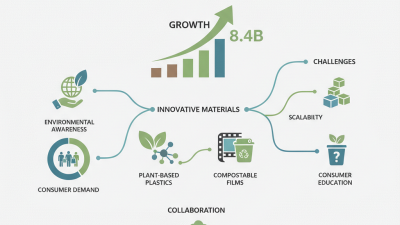
The global biodegradable packaging market is estimated to grow from approximately
USD 87.6 billion in 2023 to USD 141.2 billion by 2030,
representing an estimated 7.1% CAGR. For global buyers, key priorities include
PLA and starch-based materials for compostable formats, PHA for improved biodegradation performance,
cellulose-based solutions for fiber packaging, and advanced barrier coatings that improve moisture,
oxygen, and grease resistance without compromising end-of-life processing.
Source: Grand View Research, Biodegradable Packaging Market Size, Share & Trends Analysis Report, 2024–2030.
Market estimates may vary according to product scope, geography, and packaging format.
Regional Regulations and Market Drivers for Global Buyers
In 2026, biodegradable packaging decisions are shaped less by slogans than by regional rules and disposal infrastructure. EU buyers must track the Packaging and Packaging Waste Regulation, recycled-content targets, labeling duties, and limits on misleading environmental claims. Requirements can change during implementation. Check the latest national guidance before printing large volumes.
North American buyers face a patchwork of state packaging laws, extended producer responsibility fees, and compostability labeling rules. A package accepted in one state may fail another’s collection system. In China and other Asian markets, buyers should verify applicable national standards, food-contact requirements, and local waste policies. Exporters need a document pack: material composition, migration testing, compostability certificates, and batch traceability. Not every certificate proves real-world biodegradation.
Market drivers are practical. Retailers want lighter packs, stable pricing, and fewer compliance disputes. Food producers also need moisture and oxygen barriers that protect shelf life. A fiber tray may look responsible, yet it can soften under chilled condensation. Compostable films may require industrial composting, which many communities still lack. That gap deserves more honesty. Sourcing reviews should compare laboratory results with actual collection routes, climate conditions, and consumer instructions. Buyers can then pilot smaller shipments, measure damage and disposal outcomes, and revise specifications before scaling. The imperfect option may be the most credible one.
How Buyers Can Evaluate Suppliers, Costs, and End-of-Life Options
In 2026, global buyers will compare biodegradable packaging beyond appearance. Molded fiber, bio-based coatings, and compostable films are gaining attention. However, biodegradable does not mean suitable for every product. A supplier should provide material composition, barrier data, shelf-life results, and recognized certification records. Independent test reports matter more than polished sales claims. Request production samples and inspect seals, print quality, and dimensions. A factory visit, when practical, can reveal process controls. Still, one visit proves little.
Tips:
Build a supplier scorecard before requesting quotations. Check three samples from separate production batches. Compare minimum order quantities, tooling, freight, storage, and defect allowances. Ask whether prices change with resin, fiber, or energy costs. Request clear lead-time commitments. Do not trust vague claims about “eco-friendly” materials. Verify them with documents and testing.
End-of-life planning should guide the purchase from the beginning.
A compostable package may require an industrial composting facility, not a household bin. A biodegradable coating can also complicate recycling if local processors cannot separate it. Ask suppliers where the packaging can realistically go after use. Confirm available collection systems in each target market. This detail often changes the best material choice. No scorecard is perfect. It may miss local waste behavior, seasonal costs, or damage during shipping. Buyers should review these risks with logistics and sustainability teams before signing long-term agreements.