Top 10 Sustainable Packaging Companies Leading the Green Revolution
In an era increasingly defined by environmental consciousness and responsibility, the role of sustainable packaging companies has never been more crucial. According to a recent report by Smithers Pira, the global market for sustainable packaging is projected to reach $400 billion by 2027, reflecting a compound annual growth rate (CAGR) of 5.1%. This growth is driven by rising consumer demand for eco-friendly solutions and stricter regulations aimed at reducing plastic waste. As businesses strive to meet these expectations, the spotlight is on innovative companies that are pioneering advancements in sustainable materials, design, and production processes.
The impact of packaging on the environment is significant, with packaging accounting for about 29% of all plastic waste produced globally, as highlighted by the Ellen MacArthur Foundation. This statistic underscores the urgency for sustainable packaging companies to develop alternatives that minimize ecological footprints. From biodegradable materials to reusable designs, these companies are not just responding to a trend; they are leading a fundamental shift in how products are packaged, distributed, and consumed. As we explore the top 10 sustainable packaging companies driving this green revolution, it's essential to recognize their pivotal role in shaping a more sustainable future for the packaging industry and beyond.
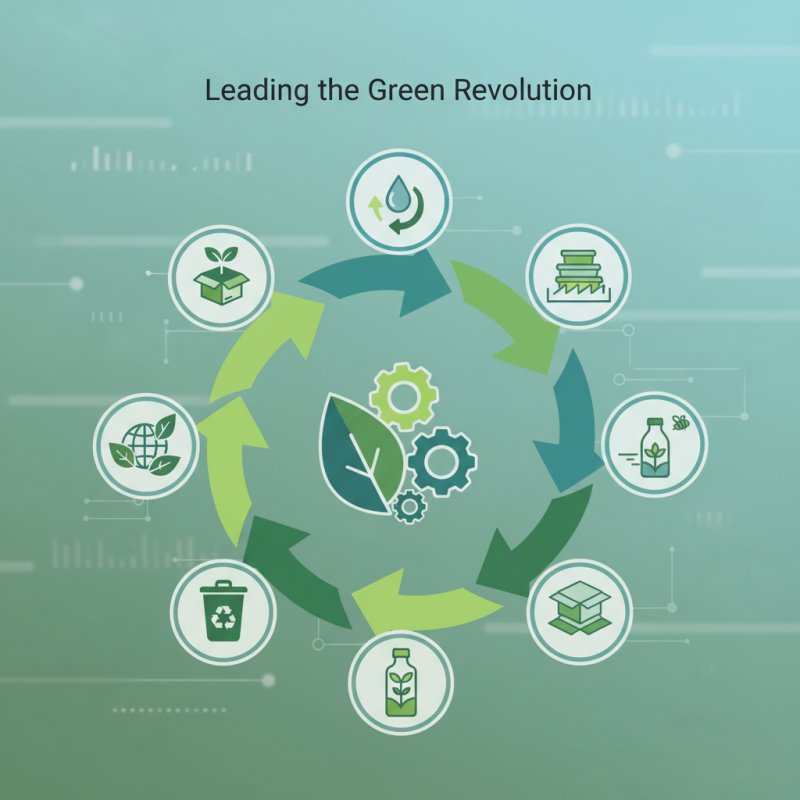
Overview of Sustainable Packaging and Its Importance
Sustainable packaging is becoming increasingly vital in the context of environmental conservation and waste reduction. With the global rise in consumer awareness about climate change and plastic pollution, the packaging industry faces immense pressure to develop innovative solutions that minimize ecological impact. Sustainable packaging is designed to reduce waste, improve recyclability, and utilize materials that are either renewable or biodegradable. This shift helps mitigate the negative effects of traditional packaging, which often contributes to overflowing landfills and environmental degradation.
The importance of sustainable packaging extends beyond environmental benefits; it also aligns with the values of modern consumers who prioritize eco-friendly practices. By embracing sustainable packaging solutions, companies can foster brand loyalty and attract environmentally conscious customers. Furthermore, this shift can lead to increased efficiency in resource management, thereby enhancing a company's operational sustainability. As businesses adapt to these changes, they not only contribute to the protection of our planet but also position themselves as leaders in the growing green economy.
Criteria for Selecting Leading Sustainable Packaging Companies
In the quest for a greener future, the selection criteria for leading sustainable packaging companies are pivotal in determining which firms are truly making an impact. Key factors include the use of renewable materials, the ability to reduce carbon footprints during production, and innovative recycling solutions. According to a report by Smithers Pira, the sustainable packaging market is projected to reach $400 billion by 2027, with increased demand for materials that minimize environmental impact and enhance recyclability.
Another critical criterion is the commitment to transparency and accountability within supply chains. Companies that disclose their sourcing practices, carbon emissions, and waste management efforts are often viewed as more trustworthy. A study conducted by McKinsey estimates that businesses adopting sustainable practices can reduce operational costs by 20-30% while improving brand loyalty among environmentally-conscious consumers. Additionally, certifications such as FSC (Forest Stewardship Council) and Cradle to Cradle play a significant role in validating a company's sustainable practices, thus allowing consumers to make informed choices about the packaging they endorse.
Ultimately, the leaders in sustainable packaging not only prioritize environmental stewardship but also harness technological advancements to drive innovation. The integration of smart packaging solutions, utilizing AI and IoT, is reshaping how products are packaged while minimizing waste. As the industry evolves, these criteria will continue to guide the selection of those companies that are truly leading the green revolution.
Top 10 Sustainable Packaging Companies Leading the Green Revolution
| Company Location |
Sustainable Material Type |
Certifications |
Annual Revenue |
Years in Operation |
| USA |
Biodegradable Plastics |
ISO 14001 |
$500M |
10 |
| Germany |
Recycled Paper |
FSC Certified |
$300M |
15 |
| Canada |
Plant-based Packaging |
BPI Certified |
$200M |
8 |
| United Kingdom |
Mushroom Packaging |
Compostable Certification |
$150M |
5 |
| Australia |
Biodegradable Bags |
AS 4736 |
$80M |
4 |
| France |
Eco-friendly Films |
EU Ecolabel |
$250M |
12 |
| Netherlands |
Recyclable Boxes |
Cradle to Cradle Certified |
$400M |
20 |
| Japan |
Seaweed Packaging |
Green Label |
$350M |
7 |
| Brazil |
Sugarcane-based Packaging |
OK Compost |
$90M |
6 |
| Sweden |
Wood-based Products |
PEFC Certified |
$500M |
18 |
Top Sustainable Packaging Innovators in the Industry
The sustainable packaging industry is undergoing a transformative shift, driven by the urgent need to reduce environmental impact and support responsible consumption. Innovation is at the forefront, with companies integrating advanced materials and technologies. According to a report by Smithers Pira, sustainable packaging is expected to grow at an annual rate of 7.7%, reaching a market value of $200 billion by 2024. This growth signals a deeper commitment from companies to embrace eco-friendly materials such as bioplastics, recycled paper, and plant-based composites.
Leading figures in the industry are pioneering unique approaches to packaging design, focusing on both functionality and sustainability. A study by the Global Packaging Alliance indicates that more than 60% of consumers prefer brands that utilize sustainable packaging, highlighting the importance of environmental responsibility in purchasing decisions. Companies are leveraging innovations like minimalistic designs and compostable materials to not only attract eco-conscious consumers but also optimize their supply chains, ultimately reducing carbon footprints. As the push for circular economy principles intensifies, these sustainable packaging innovators are setting the stage for a greener future while meeting the evolving demands of the marketplace.
Top 10 Sustainable Packaging Companies Leading the Green Revolution
Case Studies of Successful Eco-Friendly Packaging Solutions
In the quest for sustainable practices, several packaging companies have pioneered innovative solutions that minimize environmental impact while maintaining functionality and aesthetic appeal. One notable case study involves the use of biodegradable materials derived from renewable resources. These materials break down naturally over time, reducing landfill waste and pollution. Companies adopting this approach have succeeded in designing packaging that not only protects products but also contributes positively to the ecosystem, demonstrating that sustainability and consumer needs can go hand in hand.
Another compelling example comes from the adoption of reusable packaging systems. By designing containers that can be returned and refilled, businesses significantly decrease their reliance on single-use plastics. These systems not only cut down on raw material consumption but also foster a circular economy where items are kept in use for longer periods. Such initiatives reveal a growing trend among companies to reconsider their supply chains and empower consumers to participate in sustainability efforts actively. Through these innovative strategies, the packaging industry is making strides toward a more sustainable future.
Future Trends in Sustainable Packaging Development
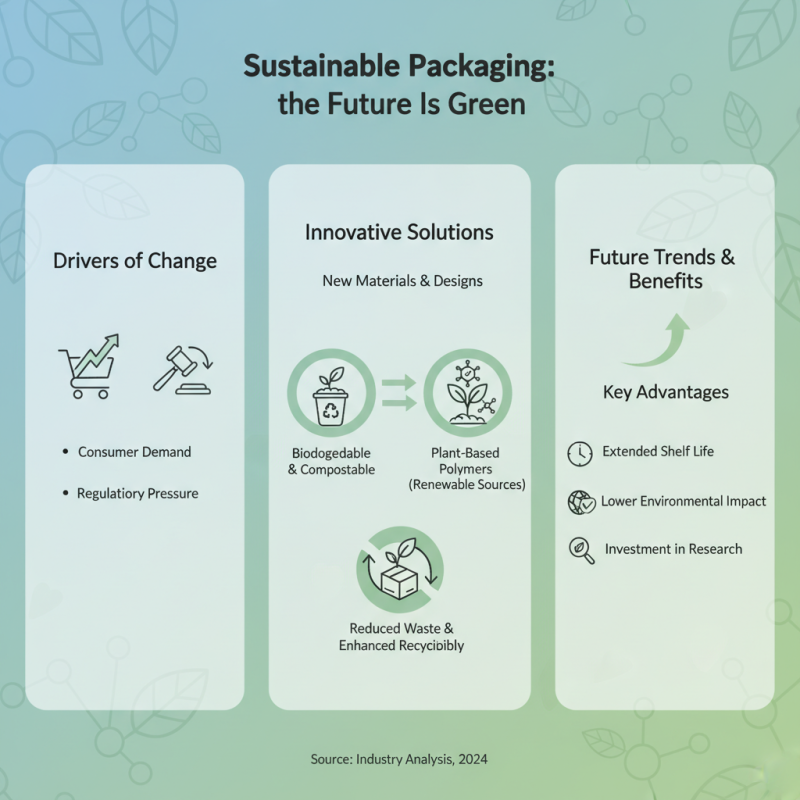
The landscape of sustainable packaging is evolving rapidly, driven by both consumer demand and regulatory pressures. As organizations increasingly prioritize environmental responsibility, innovative materials and designs are emerging to minimize waste and enhance recyclability. Future trends indicate a strong shift towards biodegradable and compostable packaging solutions, which not only reduce environmental impact but also improve product shelf life. Companies are investing in research to discover materials derived from renewable sources, such as plant-based polymers, which are gaining traction as viable alternatives to traditional plastics.
Additionally, technology is playing a pivotal role in shaping sustainable packaging practices. The integration of smart packaging solutions and advanced tracking systems can optimize supply chains and promote recycling efforts. For instance, packaging that includes QR codes or augmented reality features can provide consumers with information on recycling practices, encouraging responsible disposal. Furthermore, the shift towards circular economy models emphasizes the importance of designing packaging that can be reused or repurposed, thus closing the loop and reducing the dependency on single-use materials. The confluence of these trends not only supports environmental goals but also reflects a growing awareness among consumers about sustainability, paving the way for more responsible consumption habits.