2025 How to Choose and Use Compostable Packaging Effectively?
As the world shifts towards more sustainable practices, compostable packaging has emerged as a promising solution to the pressing problem of plastic waste. Unlike traditional packaging materials that contribute to environmental pollution, compostable packaging is designed to break down naturally, returning vital nutrients to the soil and minimizing landfill accumulation. In the face of increasing consumer awareness and demand for eco-friendly products, businesses are presented with the opportunity to adopt compostable packaging not just as a trend, but as a fundamental aspect of their operations.
Choosing the right type of compostable packaging involves understanding the various materials available and their respective environmental benefits. This includes assessing factors such as production methods, compostability standards, and end-of-life options. To utilize compostable packaging effectively, companies must also consider how they integrate these materials into their supply chains and how they communicate their sustainability initiatives to consumers.
Ultimately, the transition to compostable packaging is not merely a choice driven by regulations or consumer demands; it represents a commitment to environmental stewardship and sustainability. By exploring effective strategies for selecting and utilizing compostable packaging, businesses can play a vital role in creating a more sustainable future for the planet.

Understanding Compostable Packaging: Definition and Benefits
Compostable packaging is a type of packaging designed to break down into natural, organic matter when exposed to the right conditions, contributing to soil health rather than polluting the environment. Unlike traditional plastics that can take hundreds of years to decompose, compostable materials, such as those made from plant-based materials, typically decompose within a few months under composting conditions. This characteristic makes them an attractive alternative for environmentally-conscious businesses and consumers who want to reduce their ecological footprint.
The benefits of compostable packaging extend beyond the mere reduction of landfill waste. They often require fewer resources to produce compared to conventional packaging materials and can help to promote a circular economy by returning nutrients to the soil. Additionally, using compostable packaging can enhance a brand's sustainability image, appealing to consumers who prioritize eco-friendly practices. This not only drives consumer loyalty but also encourages companies to adopt more sustainable operational practices. Understanding these aspects of compostable packaging will aid businesses and consumers in making informed choices that align with their environmental goals.
Types of Compostable Materials: A Guide to Your Options
When it comes to choosing compostable packaging, understanding the different types of compostable materials available is crucial. Generally, compostable materials can be divided into two main categories: bio-based plastics and natural materials. Bio-based plastics, often derived from renewable resources like corn starch or sugarcane, offer a similar functionality to traditional plastics but are designed to break down in composting conditions. Popular types include polylactic acid (PLA) and polyhydroxyalkanoates (PHA), both of which provide versatility for various packaging needs, from food containers to bags.
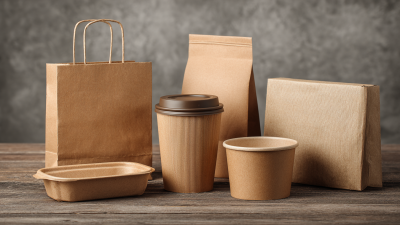
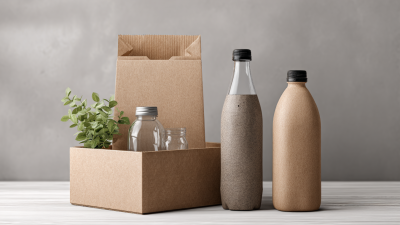
On the other hand, natural materials encompass a range of substances like paper, cardboard, and plant-based fibers, which are compostable and often easier to process in industrial compost facilities. These materials are not only biodegradable but can also contribute to soil health when composted properly. Additionally, innovative options like mushroom mycelium packaging are emerging, showcasing how natural processes can be harnessed to create sustainable alternatives. By understanding these options, businesses and consumers can make informed choices that align with their sustainability goals while effectively reducing waste.
2025 How to Choose and Use Compostable Packaging Effectively?
How to Assess Compostability Certification Labels and Standards
When selecting compostable packaging, understanding the various certification labels and standards is crucial for ensuring true environmental benefits. Compostability certification indicates that a product can break down into natural, non-toxic components under specific conditions, usually within a set timeframe. Familiarizing oneself with recognized standards such as ASTM D6400 and EN 13432 helps consumers and businesses make informed decisions. These standards outline the criteria for compostable materials, including biodegradability, disintegration, and the composition of the final compost.
Moreover, a critical aspect of assessing compostability labels is to verify whether the certification has been conducted by a reputable organization. Look for labels that indicate compliance with established standards rather than vague claims. Packaging that bears the appropriate certification guarantees that it will perform effectively in industrial composting facilities, which are designed to handle the specific conditions required for composting. By scrutinizing these labels and understanding the underlying standards, businesses can confidently choose compostable packaging that contributes positively to sustainability efforts.
2025 How to Choose and Use Compostable Packaging Effectively? - How to Assess Compostability Certification Labels and Standards
| Aspect |
Description |
Standards/Certifications |
Limitations |
| Material Types |
Common compostable materials include bioplastics, paper, and plant-based materials. |
ASTM D6400, EN 13432 |
Not all biodegradable plastics are compostable; requires industrial conditions for breakdown. |
| End-of-life Options |
Compostable packaging should be composted in appropriate facilities. |
BPI Certification, OK Compost |
Might not compost effectively in home compost setups. |
| Certification Labels |
Labels indicating compostability and biodegradability help consumers make informed choices. |
USCC Verified, TUV Austria OK Compost |
Misleading certifications; research is necessary to ensure reliability. |
| Environmental Impact |
Compostable packaging reduces landfill waste and greenhouse gas emissions. |
Life Cycle Assessment (LCA) methodologies |
Requires proper composting infrastructure to realize benefits. |
| Consumer Awareness |
Education on disposal methods and the differences between compostable and recyclable products. |
Community education programs, Labeling initiatives |
Consumer confusion can lead to improper disposal. |
Best Practices for Using Compostable Packaging in Your Business
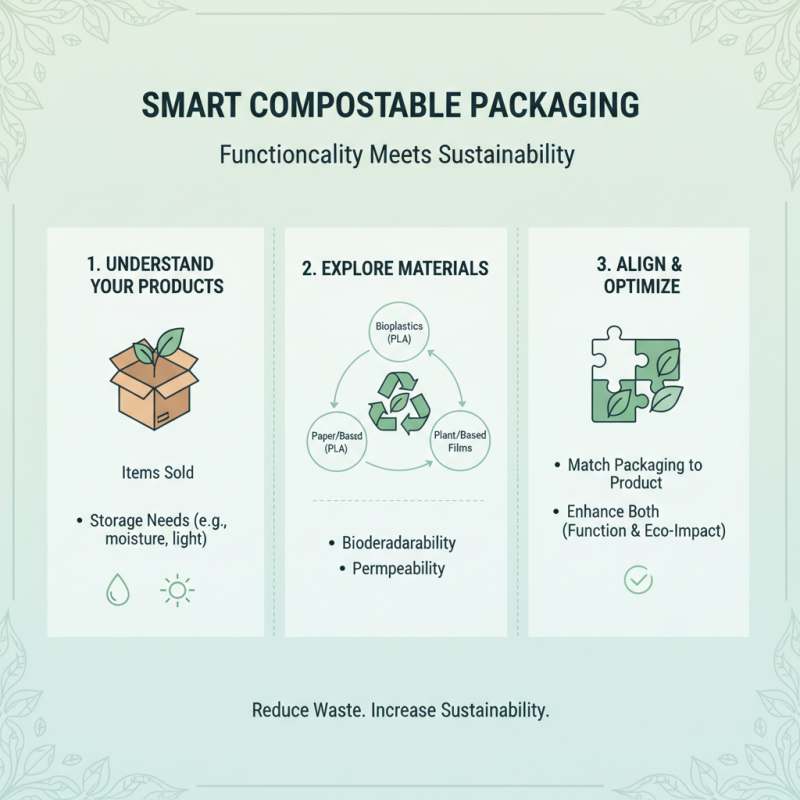
When incorporating compostable packaging into your business, understanding your products and their environmental impact is crucial. Start by assessing the types of items you sell and their storage requirements. Compostable materials vary widely in their properties, including biodegradability and permeability, meaning not all types will be suitable for every product. Aligning the packaging choice with the specific needs of your products will enhance both functionality and sustainability.
Once you've selected the appropriate compostable packaging, it's essential to educate your staff and customers on how to use it correctly. Providing clear instructions and information about the compostability of the materials can prevent contamination and increase the likelihood that packaging will be properly disposed of. Consider placing signage in your business or including information on receipts or product labels. Additionally, establishing a well-defined disposal system can simplify the process for both employees and customers, improving overall effectiveness and promoting a greener approach within your business model.
Disposing of Compostable Packaging: What You Need to Know
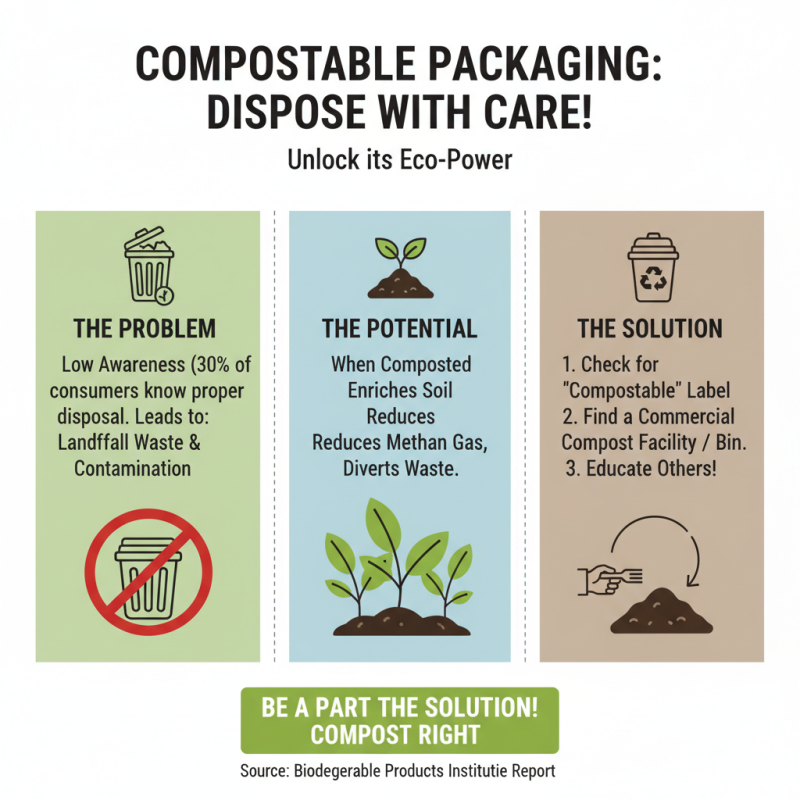
Disposing of compostable packaging effectively is crucial for maximizing its environmental benefits. According to a report by the Biodegradable Products Institute, only about 30% of consumers are aware of the proper disposal methods for compostable materials. This lack of knowledge often results in compostable packaging being thrown into regular trash, hindering the composting process and creating unnecessary waste.
To ensure compostable packaging contributes to a sustainable future, it is essential to educate on correct disposal techniques. For instance, not all compostable items break down in backyard compost setups; they often require industrial composting facilities that can maintain the necessary temperature and humidity levels. As per a study by the Composting Council, over 60% of compostable materials don't make it to such facilities, emphasizing the need for clearer labeling and consumer education.
**Tip:** Before disposing of compostable packaging, check for local composting options and guidelines. Many communities have specific programs that accept compostable products.
Furthermore, consumers should pay attention to the labeling on packaging, as not all items labeled as "compostable" are created equal. Some materials may break down under certain conditions but not within others, leading to confusion and waste. Keeping abreast of local composting rules can significantly impact the effectiveness of compostable packaging.
**Tip:** Always remove non-compostable elements, such as plastic windows or labels, from compostable packaging. This simple action can enhance the compostability of your waste and support cleaner composting processes.