What is Compostable Packaging and Why is it Important for the Environment
In recent years, the environmental impact of traditional plastic packaging has become a pressing concern, prompting the rise of innovative alternatives such as compostable packaging. Industry expert Dr. Lisa Greenfield, a leading researcher in sustainable materials, emphasizes the importance of this shift: “Compostable packaging not only reduces waste but also enriches the soil, contributing positively to our ecosystem.” This underscores the dual benefits of compostable packaging, which addresses the growing problem of plastic pollution while fostering a healthier planet through its biodegradable nature.
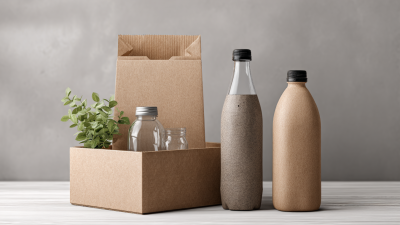
Compostable packaging is designed to break down into natural elements in a compost environment, unlike conventional plastics that can take centuries to decompose. Its significance lies not just in waste reduction, but also in how it aligns with broader environmental goals, including reducing greenhouse gas emissions during disposal. As consumers become more eco-conscious, the demand for compostable solutions continues to rise, with businesses seeking to adapt to this transformative trend.
Ultimately, the integration of compostable packaging into our daily lives marks a crucial turning point toward sustainability. It represents a collective responsibility to protect the environment and promote a circular economy, where materials are reused and revitalized rather than discarded. With continued advocacy and innovation in this field, compostable packaging could be a key player in achieving a cleaner, more sustainable future.
What is Compostable Packaging?
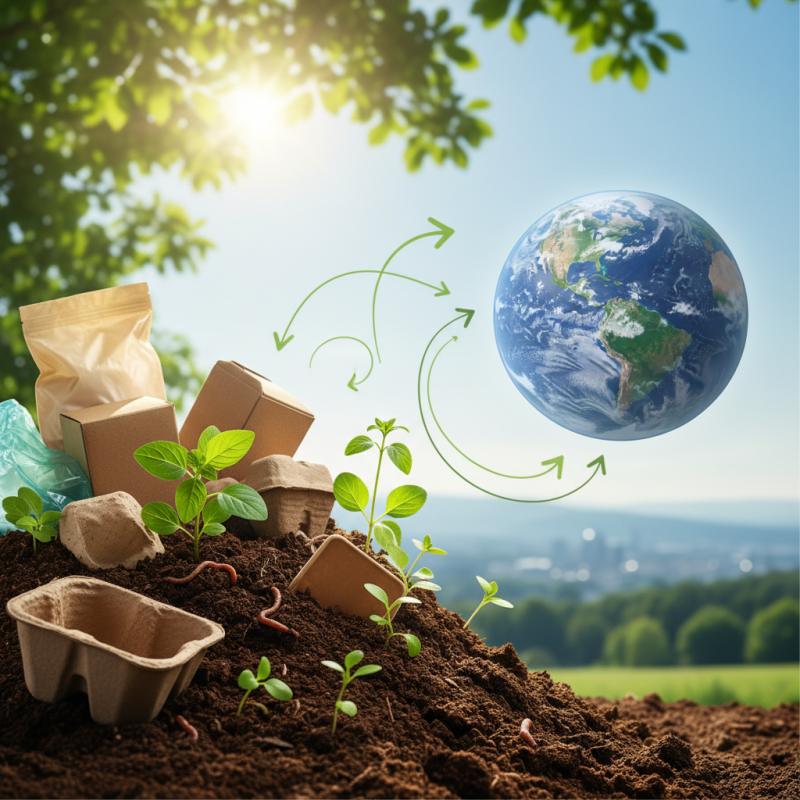
Compostable packaging refers to materials designed to break down into non-toxic components in composting environments, thereby enriching the soil. These materials are typically derived from renewable resources, such as plant starches, cellulose, or other biopolymers. According to a report by the Smithers Group, the global market for biodegradable and compostable plastics is projected to reach approximately $6.57 billion by 2024, growing due to increasing consumer awareness of environmental issues and the demand for sustainable packaging solutions.
The importance of compostable packaging lies in its potential to significantly reduce waste sent to landfills. Traditional plastic packaging can take hundreds of years to decompose, contributing to global pollution and harming wildlife. In contrast, compostable materials can break down within 90 to 180 days under the right conditions. A study by the Biodegradable Products Institute indicates that when composted properly, compostable packaging can help divert up to 30% of organic waste from landfills, minimizing greenhouse gas emissions and contributing to the circular economy. By promoting responsible consumption and waste management practices, compostable packaging represents a crucial step toward a more sustainable future.
The Materials Used in Compostable Packaging
Compostable packaging is an innovative solution designed to reduce environmental impact, and it primarily relies on materials that can break down naturally in organic waste. Key materials used in compostable packaging include plant-based bioplastics such as polylactic acid (PLA) derived from cornstarch and polyhydroxyalkanoates (PHA) produced by microbial fermentation. According to the European Bioplastics Association, global production capacities for bioplastics are expected to reach 2.43 million tons by 2024, indicating a significant shift towards sustainable packaging alternatives.
In addition to bioplastics, other materials such as bagasse (sugarcane pulp) and recycled paper are gaining prominence in compostable packaging. These materials not only decompose effectively but also help mitigate the carbon footprint associated with traditional plastic production. A study published by the American Chemical Society highlights that using compostable packaging can reduce greenhouse gas emissions by up to 70% compared to conventional plastic. As the demand for environmentally friendly solutions continues to rise, exploring and investing in diverse compostable materials is vital for achieving a circular economy.
What is Compostable Packaging and Why is it Important for the Environment - The Materials Used in Compostable Packaging
| Material Type |
Description |
Biodegradability |
Source |
Applications |
| PLA (Polylactic Acid) |
A biodegradable plastic made from renewable resources like corn starch. |
Compostable in industrial facilities within 90-180 days. |
Corn starch, sugarcane |
Food packaging, disposable cutlery, and containers. |
| PBAT (Polybutylene Adipate Terephthalate) |
A biodegradable polymer often blended with other materials for flexibility. |
Decomposes in commercial composting conditions. |
Petrochemical resources |
Plastic bags, film wraps, and agricultural films. |
| Bagasse |
Fiber left after extracting juice from sugarcane; used for making containers. |
Fully compostable in home composting systems. |
Sugarcane |
Food containers, plates, and bowls. |
| Kraft Paper |
Unbleached paper made from wood pulp, often used for its strength. |
Decomposes naturally in the environment. |
Wood pulp |
Shopping bags, wrapping paper, and food packaging. |
| PLA Coated Paper |
Paper coated with PLA for moisture resistance, offering a biodegradable option. |
Compostable under industrial conditions. |
Wood pulp and PLA |
Coffee cups, food containers, and wrappers. |
The Benefits of Compostable Packaging for the Environment
Compostable packaging is an innovative solution designed to mitigate environmental issues caused by traditional plastic waste. According to a report by the Biodegradable Products Institute, compostable materials can break down in a composting environment in less than 90 days, significantly reducing the time it takes for waste to decompose compared to conventional plastics, which can take hundreds of years. This rapid biodegradation process plays a crucial role in minimizing landfill waste and reducing greenhouse gas emissions, thereby contributing to improved air and soil quality.
The environmental benefits of compostable packaging extend beyond mere waste reduction. The European Bioplastics association highlights that compostable materials can enrich soil health by returning valuable nutrients back into the ecosystem through composting. They also promote a circular economy, where food waste and packaging can be transformed into organic compost, rather than accumulating in landfills. Furthermore, a report from the Ellen MacArthur Foundation suggests that adopting compostable packaging on a wider scale could reduce carbon emissions by 1.1 billion tons annually by 2030, underscoring the potential impact of transitioning away from single-use plastics towards more sustainable packaging solutions.
Environmental Impact of Compostable Packaging
How Compostable Packaging Breaks Down in Nature
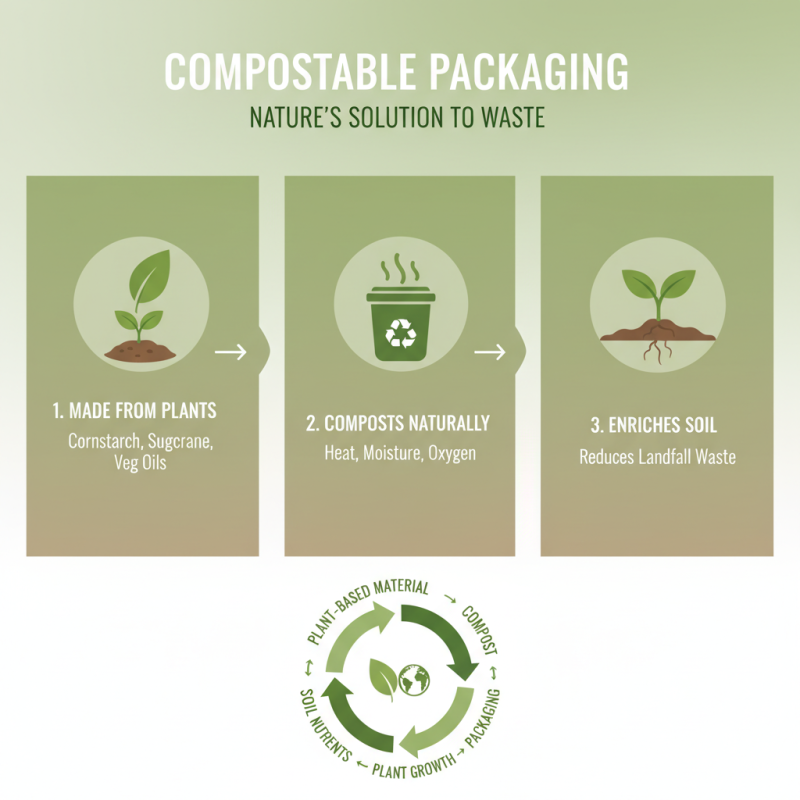
Compostable packaging is designed to break down naturally in the environment, returning nutrients to the soil and reducing waste in landfills. Unlike traditional plastics, which can take hundreds of years to decompose, compostable materials are made from organic substances like cornstarch, sugarcane, or vegetable oils. When exposed to the right conditions of heat, moisture, and oxygen, these materials undergo a natural biological process known as composting, which effectively converts them into compost—a nutrient-rich soil amendment.
The breakdown process of compostable packaging is facilitated by microorganisms such as bacteria and fungi, which thrive in composting environments. As these organisms feed on the organic materials, they produce carbon dioxide, water, and biomass, thus rendering the packaging harmless. This transformation not only diverts waste from landfills but also contributes positively to soil health, improving its structure and fertility. By choosing compostable packaging, consumers can play a key role in reducing pollution and promoting a more sustainable future through their everyday choices.
Challenges and Future of Compostable Packaging Solutions
The global shift toward compostable packaging is a response to the mounting environmental challenges posed by traditional plastics. With over 300 million tons of plastic produced annually, a staggering 91% remains unrecycled, leading to increasing pollution levels in our oceans and landfills. According to the Ellen MacArthur Foundation, without intervention, the plastic waste in the ocean is expected to outweigh fish by 2050. Despite growing support for compostable alternatives, these solutions face significant challenges, including consumer awareness and infrastructure limitations.
One of the primary hurdles is the lack of comprehensive composting facilities that can process compostable materials effectively. A report from the Biodegradable Products Institute indicates that only a small percentage of U.S. municipalities have the necessary facilities to compost advanced materials properly. Furthermore, the confusion surrounding labeling and consumer education can impede the effectiveness of compostable packaging, as many consumers still do not distinguish between recyclable and compostable items. This highlights the need for standardization in labeling and stronger educational initiatives to promote proper disposal methods.
Looking ahead, innovative advancements in material science and increased investment in composting infrastructure are crucial for the future of compostable packaging. The market for compostable packaging is projected to grow at a compound annual growth rate (CAGR) of 14.6% from 2021 to 2028, as reported by Fortune Business Insights. This growth presents an opportunity for enhanced collaboration between governments, businesses, and consumers to create a sustainable ecosystem for compostable materials, making a positive contribution to waste reduction and environmental preservation.