How to Choose Eco Friendly Packaging Materials for Your Business?
In today's world, businesses are increasingly aware of their environmental impact. Choosing eco friendly packaging materials is no longer just an option; it's a responsibility. According to Dr. Sarah Greene, a leading expert in sustainable packaging, "Choosing the right materials can make a significant difference in reducing waste."
This belief has sparked a movement toward more sustainable practices. Companies are exploring various eco friendly options, from biodegradable wraps to recycled paper boxes. The challenge is vast. Entrepreneurs often struggle to find the best materials that align with their brand values while ensuring functionality.
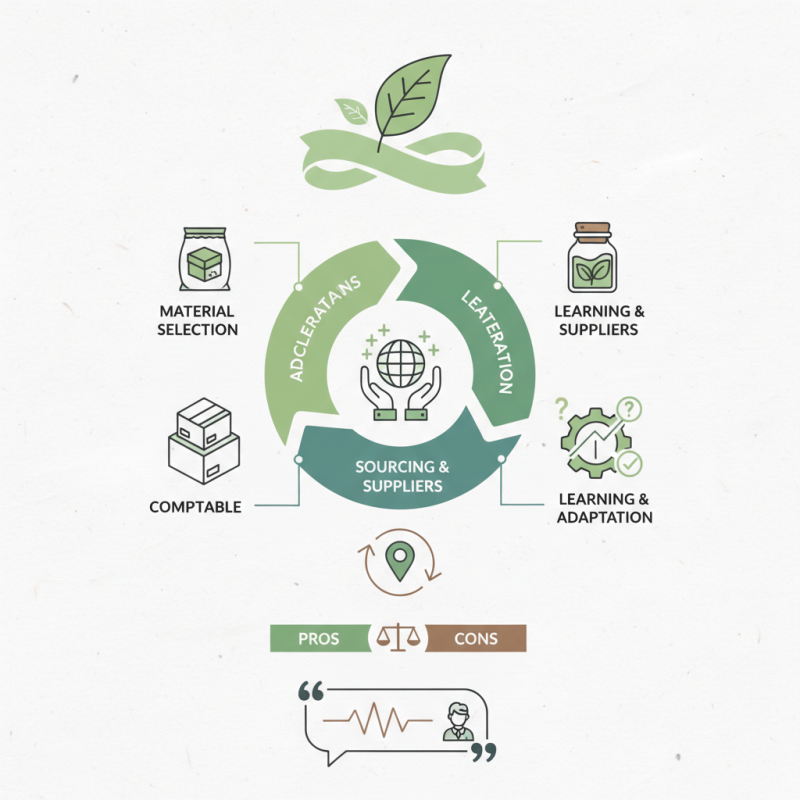
Many businesses overlook the importance of sourcing. Local suppliers can provide eco friendly materials that minimize carbon footprints. However, the options can feel overwhelming. Each choice comes with its own pros and cons. Finding balance is not easy, and mistakes will happen. Embracing this journey requires continuous learning and adaptation.
Understanding the Importance of Eco-Friendly Packaging in Business
Eco-friendly packaging is becoming vital for businesses. A
2021 report by Nielsen revealed that 73% of consumers are willing to pay more for sustainable products. This shifting demand emphasizes the importance of eco-friendly packaging. It shows that sustainability can drive purchasing decisions.
Many businesses still grapple with implementing these materials effectively. For instance, some may opt for biodegradable plastics without considering the full lifecycle impact. They may think paper is the best alternative, ignoring the environmental toll of deforestation. The challenge is to find the right balance. Reports suggest that consumers care about not just materials but also the entire packaging process.
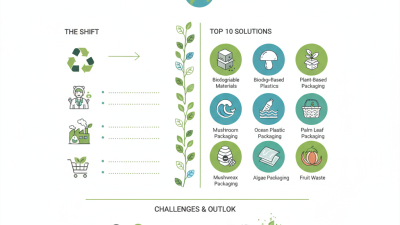
Innovative solutions are emerging in the industry. Mushroom packaging and seaweed-based alternatives are gaining traction. They offer biodegradable options that break down naturally. However, these materials can be costly and may face scalability issues. Companies need to weigh the benefits against financial constraints. Transitioning to eco-friendly packaging is important, yet it comes with challenges that require careful consideration.
Identifying Different Types of Eco-Friendly Packaging Materials
When choosing eco-friendly packaging materials, it's essential to understand the various options available. Biodegradable plastics, for example, break down naturally over time. They are made from plant materials. This type can reduce waste significantly. Look for options that mention "compostable" to support an eco-conscious approach.
Another great option is recycled paper. This material is versatile and can be used for boxes, fillers, and wrapping. Using recycled content minimizes the need for new resources. However, it's vital to check the source’s sustainability claims. Not all recycled paper meets eco-friendly standards.
Tips to consider: Always assess the lifecycle of the materials. How long will they last? Where do they end up? Additionally, seek certifications that guarantee the environmental benefits claimed. Remember, not every material labeled as eco-friendly is perfect. It often requires a careful examination to ensure it aligns with your business values and sustainability goals. Your choices matter.
Eco-Friendly Packaging Materials Comparison
Assessing the Environmental Impact of Packaging Choices
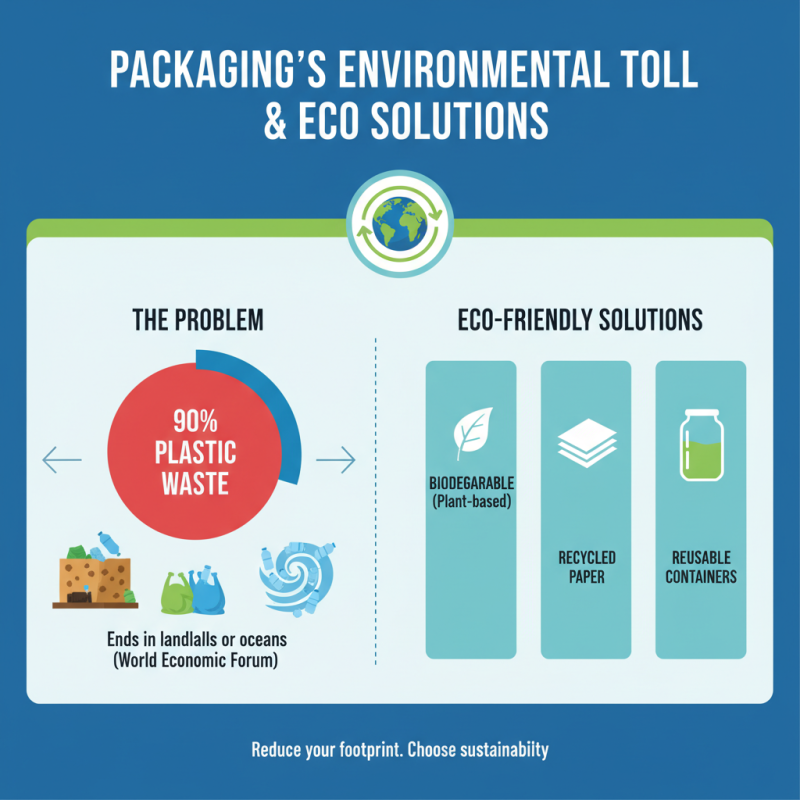
The impact of packaging choices on the environment is profound. According to the World Economic Forum, about 90% of plastic waste ends up in landfills or the ocean. This statistic underscores the urgency for businesses to reassess their materials. Eco-friendly packaging can significantly reduce these harmful effects. Options include biodegradable materials made from plant sources, recycled paper, and reusable containers.
However, transitioning to eco-friendly solutions isn't always straightforward. The cost can be a barrier. For instance, biodegradable plastics may be pricier than traditional options. Yet, the long-term benefits often outweigh the initial expenses. Companies that invest in sustainable packaging can enhance their brand image.
Additionally, consumer behavior is changing. Research shows that 73% of consumers are willing to pay more for sustainable packaging. This shift presents an opportunity for businesses to differentiate themselves. But, ultimately, companies need to evaluate the total lifecycle of their packaging choices. It’s not just about using greener materials; it’s about reducing overall waste.
Evaluating Cost-Effectiveness and Supplier Options for Eco-Friendly Materials
Choosing eco-friendly packaging involves assessing costs and supplier options. Businesses often face confusion due to many materials available. Options like biodegradable plastics, recycled paper, and compostable materials each have unique features. It’s vital to understand their lifetime costs beyond initial purchase prices.
When evaluating suppliers, consider their sustainability practices. Some suppliers may prioritize cost over quality. This can lead to poor product performance. Researching supplier reputations is crucial in making a responsible choice. Seek transparency in sourcing materials. Engaging with potential suppliers can expose gaps in their eco-friendly claims.
Cost-effectiveness is more than affordability. It's about long-term impact and waste reduction. Companies should reflect on their choices regularly. Consider if the materials truly align with your values. Are they making a significant difference? This reflection is necessary for creating a more sustainable business model. Embracing eco-friendly packaging requires ongoing evaluation and adaptation.
Implementing Sustainable Practices in Your Packaging Process
When choosing eco-friendly packaging materials, consider sustainability at every step. Look for biodegradable or recyclable options. Materials like recycled paper, cardboard, or plant-based plastics are great choices. These alternatives reduce waste. You can also explore reusable packaging solutions. They prolong the life cycle of your materials and lower the overall carbon footprint.
Tips: Assess your current packaging processes. Reflect on how much waste you generate. This can highlight areas for improvement. Engage your team in brainstorming sessions. Their insights can lead to innovative solutions. You might find that simpler designs use less material and still look appealing.
Monitor the source of your materials. Understand their environmental impact. Some eco-friendly options may require energy-intensive manufacturing processes. Research thoroughly to ensure that your choices align with true sustainability. Adjust your strategy as needed. Being eco-conscious is an ongoing journey, not a one-time decision.
How to Choose Eco Friendly Packaging Materials for Your Business? - Implementing Sustainable Practices in Your Packaging Process
| Material Type |
Sustainability Rating |
Biodegradable |
Recyclable |
Cost (per unit) |
| Kraft Paper |
High |
Yes |
Yes |
$0.10 |
| Bioplastics |
High |
Yes |
Yes |
$0.20 |
| Glass |
Very High |
No |
Yes |
$1.00 |
| Cardboard |
High |
Yes |
Yes |
$0.15 |
| Metal |
Medium |
No |
Yes |
$0.80 |