How to Choose Biodegradable Shipping Bags for Your Eco Friendly Business
As the e-commerce industry continues to expand, the environmental impact of packaging materials has become a pressing concern for businesses and consumers alike. A recent report from the Ellen MacArthur Foundation indicates that over 300 million tons of plastic are produced annually, with a significant proportion ending up in landfills and oceans. This growing awareness of plastic pollution has driven many businesses to seek eco-friendly alternatives such as biodegradable shipping bags. These innovative packaging solutions are designed to break down naturally, mitigating their environmental footprint while meeting the needs of businesses looking to maintain both sustainability and functionality.
The market for biodegradable packaging has been gaining momentum, with a projected growth to reach USD 14 billion by 2027 according to a study by Research and Markets. This surge is fueled by increasing government regulations on single-use plastics and a shift in consumer preferences towards environmentally-friendly products. For businesses aiming to align their shipping practices with their eco-conscious values, the choice of biodegradable shipping bags stands out as a critical factor. Not only does it contribute to waste reduction, but it also enhances brand reputation in an increasingly competitive marketplace where sustainability is becoming a key differentiator. By adopting biodegradable shipping bags, companies can display their commitment to environmental stewardship while fulfilling customer demands for greener packaging solutions.

Understanding the Importance of Biodegradable Shipping Bags
Biodegradable shipping bags play a crucial role in reducing environmental impact, especially for eco-friendly businesses striving to promote sustainability. These bags are designed to break down naturally, unlike conventional plastic bags that can persist in landfills and oceans for hundreds of years. By opting for biodegradable materials, businesses not only minimize their carbon footprint but also align their operations with the growing consumer demand for environmentally responsible practices.
Understanding the importance of biodegradable shipping bags extends beyond environmental concerns. Using these bags can enhance a brand's image and appeal to eco-conscious consumers who prioritize sustainability in their purchasing decisions. Furthermore, many governments are establishing stricter regulations on single-use plastics, making it imperative for businesses to adapt to eco-friendly alternatives.
By integrating biodegradable shipping solutions, companies can demonstrate their commitment to protecting the planet, thus fostering customer loyalty and potentially increasing sales in a competitive market.
Identifying Key Materials Used in Biodegradable Shipping Bags
When selecting biodegradable shipping bags for an eco-friendly business, understanding the materials that constitute these bags is paramount. Generally, biodegradable shipping bags are made from various materials such as cornstarch, polylactic acid (PLA), and recycled paper.
According to a study by the Biodegradable Products Institute, bags made from PLA can decompose in industrial composting facilities within 90 to 180 days, making them a popular choice for businesses aiming to minimize their environmental impact.
Moreover, another noteworthy option is bags made from plant-based polymers, which not only offer biodegradability but also ensure they can break down in both marine and landfill conditions. A report by the Ellen MacArthur Foundation highlights that transitioning to biodegradable materials in packaging can reduce plastic pollution in oceans by up to 70%.
Understanding the properties, decomposing processes, and sourcing of these materials will aid businesses in making informed decisions that align with their sustainability goals.
Evaluating the Environmental Impact of Different Bag Options
When choosing biodegradable shipping bags for your eco-friendly business, it's crucial to evaluate the environmental impact of different bag options. Biodegradable bags come in various materials, including corn starch, vegetable-based polymers, and recycled paper. Understanding the source and production process of these materials will help you single out the most sustainable choices. Ideally, select bags that not only break down quickly in a compost environment but also require minimal energy during manufacturing, thus reducing their carbon footprint.
**Tips:** Always look for certifications, such as ASTM D6400 or EN 13432, which ensure that the bags are truly compostable. Additionally, consider the end-of-life scenario for the bags—whether they can be industrially composted or home composted can significantly affect their overall environmental friendliness.
Another critical factor to consider is the bags’ functionality. Ensure that they provide adequate protection for your products during shipping while still being biodegradable. This balance between environmental responsibility and practicality is essential for maintaining customer satisfaction.
**Tips:** Test different bag styles and sizes to find the most effective fit for your products; this can prevent excess material usage and minimize waste.
How to Choose Biodegradable Shipping Bags for Your Eco Friendly Business - Evaluating the Environmental Impact of Different Bag Options
| Bag Type |
Material |
Biodegradation Time |
Compostability |
Recyclability |
Cost (per 100) |
| PLA Bag |
Polylactic Acid |
90-180 days |
Yes |
No |
$40 |
| PAP Bag |
Paper |
3-6 months |
Yes |
Yes |
$30 |
| T-Shirt Bag |
HDPE (High-Density Polyethylene) |
1-3 years |
No |
Yes |
$25 |
| Kraft Paper Bag |
Kraft Paper |
2-4 months |
Yes |
Yes |
$35 |
| Biodegradable Mailer |
Biodegradable Polyethylene |
6-12 months |
Yes |
No |
$50 |
Assessing Durability and Functionality for Shipping Needs
When selecting biodegradable shipping bags for an eco-friendly business, durability and functionality are paramount. It's essential to assess the bag's strength and resistance to tearing, especially during transit. Factors such as the weight of the items being shipped and the potential for rough handling should influence your choice. High-quality biodegradable materials can often provide the required durability without compromising their environmental benefits. For instance, bags made from plant-based polymers can offer excellent tensile strength while decomposing naturally after use.
Functionality also plays a critical role in shipping needs. Consider the dimensions and closure mechanisms of the bags to ensure they adequately fit the products and can be sealed securely. Features like moisture resistance may also be necessary to protect items from environmental factors during shipping. Additionally, custom printing options can enhance branding while still adhering to eco-friendly principles. By prioritizing both durability and functionality, eco-conscious businesses can effectively meet their shipping demands while minimizing their environmental footprint.
Durability and Functionality of Biodegradable Shipping Bags
Finding Reliable Suppliers for Biodegradable Shipping Bags
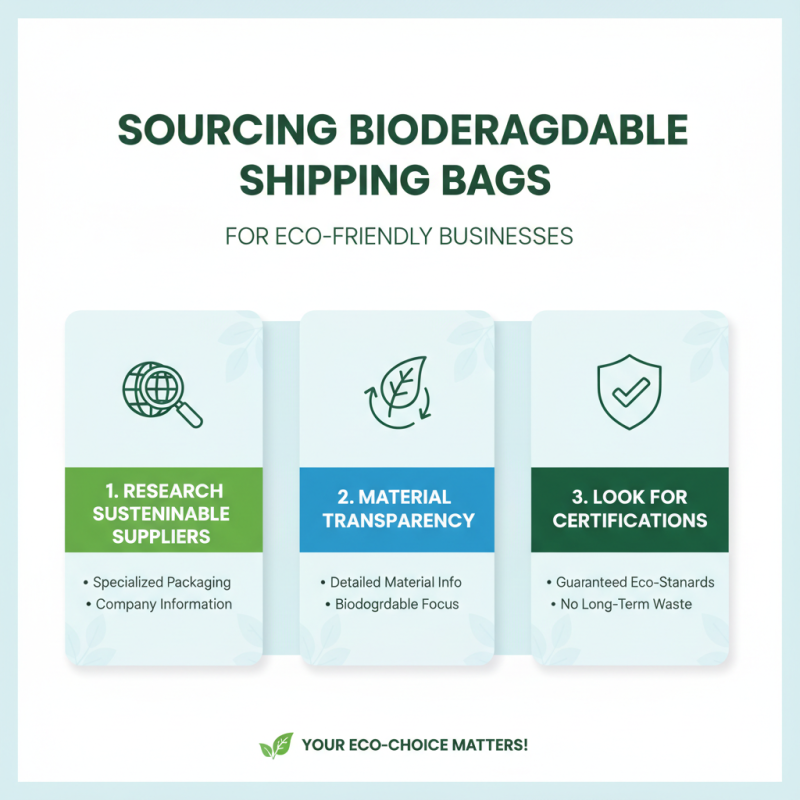
When it comes to sourcing biodegradable shipping bags for your eco-friendly business, finding reliable suppliers is crucial. Start by researching companies that specialize in sustainable packaging solutions. Look for suppliers that provide detailed information about the materials used in their biodegradable bags, including certifications that guarantee their products meet environmental standards. This transparency is essential to ensure that the bags truly decompose and do not contribute to long-term waste.
Networking with other environmentally conscious businesses can also lead you to reputable suppliers. Attend eco-friendly trade shows and industry events to meet potential partners who share your sustainability goals. Additionally, check online marketplaces that focus on eco-friendly products, as they often feature suppliers with a commitment to quality and environmental responsibility. Reading customer reviews and case studies can offer insight into a supplier's reliability and ethical practices. By thoroughly vetting your options, you can ensure that the biodegradable shipping bags you choose align seamlessly with your company's values and commitment to the planet.