2025 How to Choose the Best Biodegradable Packaging Materials for Your Business
In today's rapidly changing consumer landscape, businesses are increasingly prioritizing sustainability in their operations. One crucial area where this shift is evident is in the choice of packaging materials. As environmental concerns grow and consumers become more eco-conscious, companies are looking to incorporate biodegradable packaging materials into their supply chains. These materials not only reduce waste but also help in promoting a positive brand image by aligning with the values of sustainability and corporate responsibility.
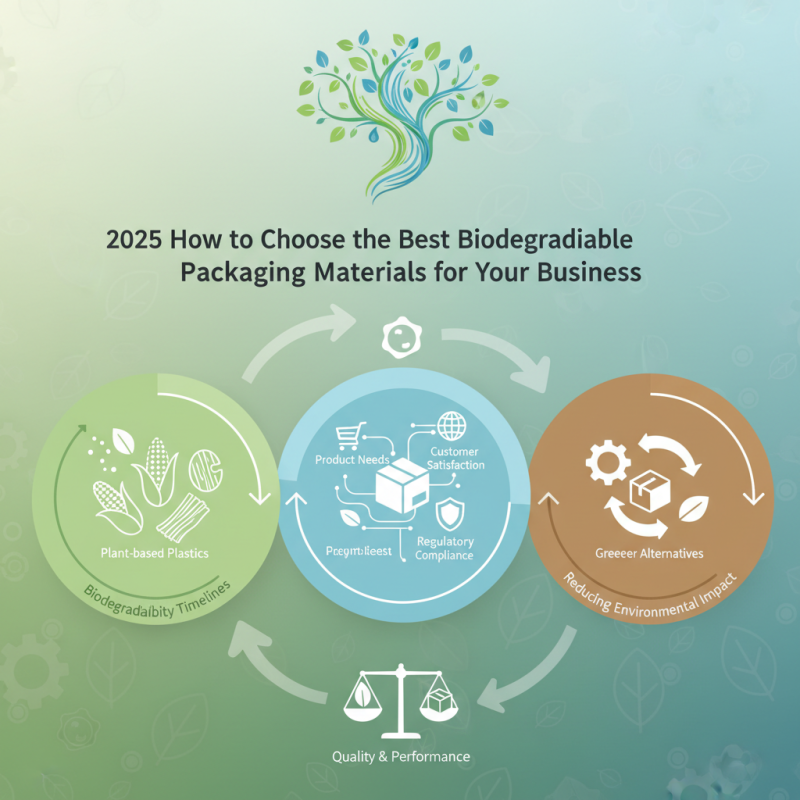
Choosing the best biodegradable packaging materials for your business involves careful consideration of various factors, including material composition, biodegradability timelines, and the specific needs of your products. It is essential to understand the different types of biodegradable options available, from plant-based plastics to recycled papers, and how they can effectively meet both functional and environmental goals. Furthermore, businesses must also evaluate their impact on customer satisfaction and regulatory compliance while making these sustainable choices.
By strategically selecting biodegradable packaging materials, companies can make a significant contribution to reducing environmental impact and catering to the demand for greener alternatives. This guide aims to provide insights and practical tips for businesses eager to transition to biodegradable options, ensuring that their packaging choices reflect a commitment to sustainability without compromising on quality or performance.
Understanding Biodegradable Packaging: Types and Materials
Biodegradable packaging has become an essential consideration for businesses aiming to reduce their environmental impact. Understanding the different types of biodegradable materials is crucial for making an informed choice. Common biodegradable packaging types include plant-based plastics, paper products, and compostable materials.
Plant-based plastics, made from renewable resources like cornstarch or sugarcane, provide similar functionality to traditional plastics but break down more naturally over time.
Paper packaging is versatile and typically biodegradable, though its sustainability greatly depends on sourcing and processing methods.
Compostable materials, designed to decompose in a composting environment, are ideal for food packaging and other organic waste.
When selecting biodegradable packaging, consider these tips to ensure you choose the best materials for your business. Firstly, assess the biodegradability of the materials in relation to your product’s lifecycle. Ensure that the packaging can break down in the relevant environments, whether it be industrial composting facilities or home compost. Secondly, prioritize materials that meet certifications for compostability, such as ASTM D6400 or EN 13432, indicating they have been tested for performance and environmental impact. Lastly, consider the practicality of the materials in terms of their strength, moisture resistance, and cost-effectiveness while aligning with your brand’s sustainability goals. By doing this, you can contribute to a more sustainable future while also meeting your business needs.
Evaluating the Environmental Impact of Biodegradable Options
When evaluating biodegradable packaging options for your business, it is essential to assess their environmental impact comprehensively. According to a report by the Ellen MacArthur Foundation, switching to biodegradable materials can reduce the impact on landfills and oceans, thus decreasing plastic pollution. However, not all biodegradable options are created equal. Materials such as polylactic acid (PLA) and polyhydroxyalkanoates (PHA) offer promising benefits, but it is crucial to consider their end-of-life scenarios—whether they can decompose in commercial composting facilities or if they require specific conditions to break down effectively.
Tips: Conduct a life cycle analysis (LCA) for the packaging materials you consider. An LCA will help you evaluate the environmental impacts associated with all the stages of a product’s life from raw material extraction through production, use, and disposal. This method provides a clearer picture of both carbon footprints and resource usage, aiding in responsible decision-making.
Furthermore, understanding the certifications and standards around biodegradable materials, such as ASTM D6400 or EN 13432, is key to making informed choices. Adopting certified biodegradable packaging can enhance your business's sustainability credibility, as these certifications ensure the materials meet specific compostability and biodegradability criteria. This not only influences consumer perception positively but also aligns your business practices with global sustainability goals.
Criteria for Selecting the Right Biodegradable Packaging for Your Needs
When selecting biodegradable packaging materials for your business, it’s crucial to establish clear criteria that align with your operational needs and environmental goals. First, consider the material composition. Packaging can be made from various biodegradable substances such as plant-based polymers, paper, or even compostable films. Knowing the specific material properties, including their biodegradation time and the environmental conditions required for composting, will help ensure that the packaging will not only meet your performance standards but also break down effectively without leaving harmful residues.
Another important criterion is the functionality of the packaging. Evaluate how well the biodegradable options can protect your products during storage and transportation. Factors such as moisture resistance, durability, and the ability to maintain food freshness, if applicable, are essential to preventing spoilage or damage. Additionally, consider aesthetic aspects such as branding opportunities and the visual appeal of the packaging, since these play a significant role in consumer perception. Finally, take into account logistics and supply chain capabilities to ensure that the sourcing and handling of biodegradable materials fit seamlessly into your existing operations.
2025 Biodegradable Packaging Materials Comparison
Comparing Cost-Effectiveness of Biodegradable Packaging Solutions
When evaluating biodegradable packaging solutions, cost-effectiveness emerges as a critical factor for businesses aiming to balance sustainability with financial viability. Initially, companies should assess the upfront costs associated with different types of biodegradable materials. These can vary significantly based on the source, processing methods, and the intended application. Factors such as raw material availability and production scale also influence pricing. For instance, locally sourced materials may reduce transportation costs and thus lower the overall expenditure, making them a financially attractive option.
In addition to initial expenses, businesses should consider the long-term savings associated with biodegradable packaging. While the higher initial cost might deter some companies, the potential benefits—such as reduced landfill fees, lower waste management costs, and potential tax incentives—can enhance the overall cost-effectiveness. Furthermore, incorporating biodegradable packaging can improve a company's brand image and appeal to environmentally conscious consumers, potentially increasing sales and customer loyalty. Therefore, a comprehensive analysis that considers both short-term costs and long-term benefits is essential for making informed decisions on biodegradable packaging materials.
2025 How to Choose the Best Biodegradable Packaging Materials for Your Business - Comparing Cost-Effectiveness of Biodegradable Packaging Solutions
| Material Type |
Cost per Unit ($) |
Decomposition Time (Months) |
Recyclability (%) |
Impact on Environment (1-5) |
| PLA (Polylactic Acid) |
0.20 |
6-12 |
80 |
4 |
| PHA (Polyhydroxyalkanoate) |
0.30 |
3-6 |
90 |
5 |
| Paper Packaging |
0.10 |
2-4 |
100 |
3 |
| Compostable Film |
0.25 |
5-12 |
85 |
4 |
| Mushroom Packaging |
0.40 |
2-3 |
70 |
5 |
Implementing Biodegradable Packaging in Your Supply Chain Strategy
The integration of biodegradable packaging within your supply chain strategy is a vital step towards sustainability and meeting consumer demand for eco-friendly products. As per a recent report by Smithers Pira, the biodegradable packaging market is expected to witness a growth rate of over 20% annually, reaching nearly $200 billion by 2025. This highlights the increasing importance of adopting biodegradable materials not only for environmental reasons but also for keeping pace with market trends.
When considering the implementation of biodegradable packaging, businesses should focus on sourcing materials that not only meet their functional requirements but also align with industry standards. Opt for materials that can break down naturally without leaving harmful residues. Research shows that consumers are more likely to purchase from companies that demonstrate a commitment to environmental sustainability — indicating that effective communication of your packaging choices can enhance brand loyalty.
Tips: When selecting biodegradable packaging, ensure you evaluate its compostability certifications and the sourcing process of the materials. Additionally, consider the lifecycle analysis of the packaging to gauge its overall environmental impact. Collaborating with suppliers who prioritize sustainability can also streamline the integration process into your supply chain strategy while providing your business with a credible green image.