How to Buy Sodium Sulfite Powder in 2026?
Buying Sodium Sulfite Powder in 2026 requires more than comparing prices per kilogram. Buyers need to confirm the grade, assay, packaging, and delivery terms against the intended industrial use. Sodium sulfite is commonly supplied as a white crystalline powder, but appearance alone cannot confirm purity or performance. Check the product name and CAS number, 7757-83-7, to distinguish it from related sulfur compounds.
Industry data can help frame a purchasing decision. Cefic’s Facts & Figures 2024 describes the scale and geographic concentration of the global chemical supply chain, while UN Comtrade provides trade-flow data that buyers can use to assess sourcing patterns. Neither source replaces a supplier’s batch-specific documentation. Request a current certificate of analysis, safety data sheet, and written specification. Review assay, impurities, moisture limits, and test methods. Small details matter. A torn liner or damp pallet may turn an otherwise sound order into a costly problem.
A practical 2026 buying process should also compare total landed cost, not just the quoted unit price. Freight, minimum order quantities, lead time, and packaging can change the real cost. Confirm that storage and handling instructions suit your facility, and ask how the supplier maintains lot traceability. I have seen buyers focus on the lowest quote, then discover that the specification was unclear. That is an avoidable mistake, though not every supplier document is equally easy to interpret. The sections ahead explain how to verify quality, evaluate suppliers, and make a more informed Sodium Sulfite Powder purchase.
Identify the Intended Use and Required Sodium Sulfite Grade
Before buying sodium sulfite powder, define the job it must perform. A water-treatment process, a laboratory procedure, and a food-processing application may need different specifications. Write down the intended use, required concentration, and any limits for impurities or moisture. These details help suppliers identify a suitable grade rather than simply quote the lowest price.
Check the product specification and certificate of analysis for assay, appearance, moisture, and insoluble matter. Compare those figures with your process requirements, and confirm that the stated grade is appropriate for the intended application. For food-related use, verify that the product meets the relevant requirements for your market. A common oversight is focusing on purity alone; particle size and packaging can also affect storage and handling. It is easy to miss that detail.
Tips: Ask for a recent batch certificate and safety data sheet. Check that bags are sealed, clearly labeled, and protected from moisture. Store powder in a dry area, and follow the supplier’s handling guidance. If your process is sensitive, test a small quantity before placing a larger order.
How to Buy Sodium Sulfite Powder in 2026? Identify the Intended Use and Required Grade
How to read this chart: The values are theoretical mass fractions calculated from the chemical formulas: anhydrous sodium sulfite (Na₂SO₃) is approximately 100% Na₂SO₃ by formula mass, while sodium sulfite heptahydrate (Na₂SO₃·7H₂O) is approximately 50.0%. These are not commercial purity specifications. Choose the form and grade for your intended application, then verify assay, impurity limits, and handling requirements against the supplier’s specification and certificate of analysis.
Set Purity, Packaging, and Quantity Specifications
Before ordering sodium sulfite powder, define the purity your process actually needs. “Industrial grade” alone is not a measurable specification. The JECFA Compendium of Food Additive Specifications gives sodium sulfite an assay range of 95.0–100.5% for its food-additive specification. That range is a useful reference, not a universal purchasing target. Ask for a batch-specific certificate of analysis covering assay, moisture, and relevant impurities. Match each limit to the product’s intended use. A tighter specification may add cost without improving your process. Easy to overlook.
Packaging deserves equal attention. Sodium sulfite can oxidize during storage, so request moisture-resistant packaging with a sealed inner liner. Confirm bag size, pallet configuration, and whether opened containers can be resealed. A 25-kilogram bag may suit steady plant use, but smaller units can reduce exposure when consumption is low. Specify storage conditions and a realistic shelf-life requirement in writing. For quantity, estimate monthly use, delivery lead time, and a modest buffer based on your storage capacity. I would still check actual consumption after the first order; forecasts are often a little wrong. Keep the lot number and analysis certificate linked to each shipment for traceability.
Verify Supplier Credentials and Product Documentation
Before buying sodium sulfite powder in 2026, check who is supplying it, not just the quoted price. Request the supplier’s business registration, manufacturing or distribution details, and quality-control procedures. Ask whether production lots are traceable to a facility and batch record. A polished website is not proof. Verify contact details independently, and ask for a recent customer reference if practical.
Review the product documents against the exact grade and lot you plan to order. A certificate of analysis should identify the batch, test date, key purity results, and testing method. Compare those results with the stated specification, including moisture and appearance. Request a current safety data sheet and confirm that its product description matches the offered material. Check document dates, page consistency, and the issuing laboratory’s name. Small mismatches matter. If a batch number differs between the quotation and certificate, pause and ask for corrected records before payment. Documents can still be incomplete or difficult to authenticate, so direct confirmation with the issuer may be worthwhile. Keep the approved specification and batch documents with your purchase records; you may need them when checking incoming powder.
Compare Quotes, Shipping Terms, and Delivery Options
When buying sodium sulfite powder in 2026, compare delivered cost, not just the price per metric ton. Ask each supplier to quote the same grade, assay, moisture limit, particle size, and package type. Request a current certificate of analysis and safety data sheet. A low quote can lose its appeal after pallet fees, insurance, or port charges appear. Small details matter.
Compare the named delivery point and Incoterms, then confirm who pays for loading, freight, insurance, and customs handling. Ask for separate estimates for sea, rail, or road transport, with realistic dispatch and arrival windows. UNCTAD’s Review of Maritime Transport 2024 reported maritime trade growth of 2.4% in 2023 and highlighted disruptions that can affect routes and freight costs. That is not a sodium-sulfite-specific forecast, but it is a useful reason to avoid treating transit times as guarantees. Keep it documented.
For powder, check that bags are sealed, moisture-protected, and suitable for pallet handling. Confirm the shipment size, container loading plan, tracking milestones, and process for damaged or delayed cargo. Ask whether partial delivery is possible if production needs are urgent. Compare payment timing and quote validity, too; a freight estimate may change before booking. A spreadsheet can still miss local unloading costs, so verify them before approving the order.
Place the Order and Check the Delivered Powder
Before paying, state the required grade, assay, packaging size, quantity, and delivery window in the purchase order. Request a lot-specific certificate of analysis and safety data sheet. Check that the certificate’s lot number will match the bags, and agree on testing methods for assay, moisture, and relevant impurities. UNCTAD’s Review of Maritime Transport 2024 reports that seaborne trade grew 2.4% in 2023. Transit conditions can change, so confirm how damaged or delayed shipments will be handled. Get those terms in writing.
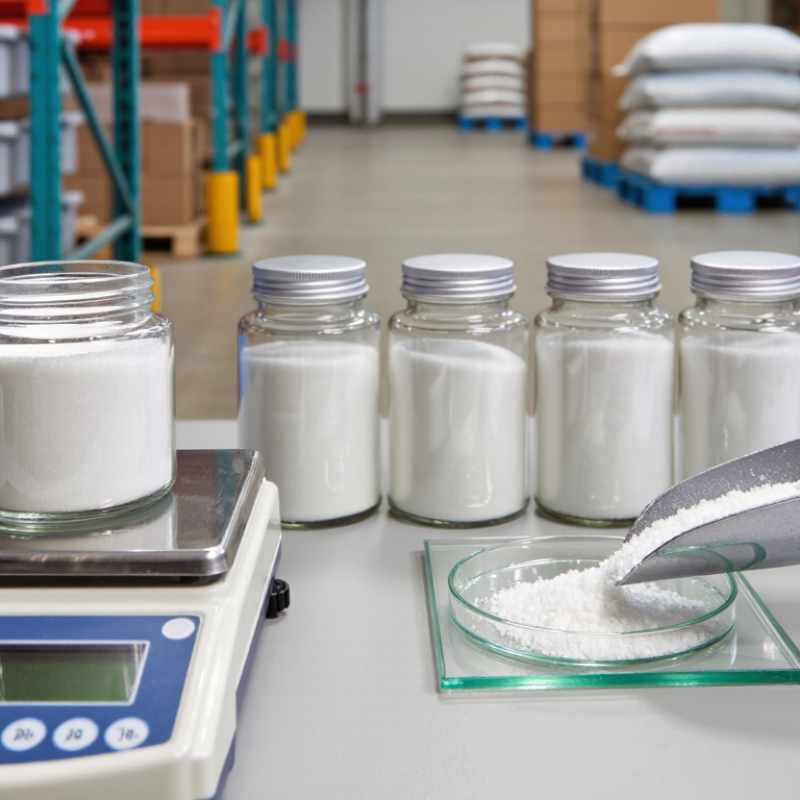
At delivery, photograph the pallet, seals, labels, and any wet or crushed packaging before unloading. Match bag count, net weight, lot codes, and documents against the order. Sodium sulfite is typically a white crystalline powder; damp clumps or unusual discoloration warrant investigation, not a guess about quality. A bag can look intact while its inner liner leaks. Keep questionable material sealed and separated until the supplier responds. Sample using an agreed procedure, then compare lab results with the certificate; appearance alone cannot verify purity. Store accepted bags dry, closed, and clearly identified, and record the inspection date and lot number.
